Quick answer: A 5-year roof certification documents an inspector’s finding that a roof has five or more years of remaining useful life. Five years is the number Florida’s roof-age law (Florida Statute 627.7011) uses for roofs 15 years or older. It is also the minimum Citizens Property Insurance requires for its oldest roofs. A 2-year certification is a shorter condition letter, usually requested in a home sale or by a lender. No Florida statute defines it, and it does not trigger the five-year protection in the roof-age law. If an insurer’s roof-age requirement is the reason you’re calling, ask for the five-year finding.
Homeowners call us every week asking for “a roof certification.” The first question we ask back is: who is asking for it? An insurance underwriter, a buyer’s lender and a title company can all use the same words and mean different documents. Getting the wrong one can cost you a renewal, a closing date or a second inspection fee.
Here is how the two compare, where each number comes from, and what actually keeps a roof from certifying.
The short version
| 5-Year Certification | 2-Year Certification | |
|---|---|---|
| What it states | An estimated remaining useful life of five years or more, based on the inspection and any required repairs. | The roof is serviceable, with at least two years of remaining life. |
| Where the number comes from | Florida Statute 627.7011(5), and Citizens’ minimum for its oldest roofs. | Real estate and lending practice. FHA’s appraisal standard uses two years. |
| Who usually asks | Insurers and agents, on roofs 15 years or older. | Buyers, lenders and closing teams. |
| Meets the roof-age law’s five-year threshold? | Yes, when the roof is 15 or more years old and the inspection is performed by an inspector your insurer approves. | No. |
Where the five-year number comes from
Florida’s roof-age law has two parts that matter here. First, an insurer may not refuse to issue or renew a homeowner’s policy on a roof less than 15 years old solely because of the roof’s age.
Second, for a roof that is at least 15 years old, the statute says the insurer “must allow a homeowner to have a roof inspection performed by an authorized inspector at the homeowner’s expense before requiring the replacement of the roof.” It continues: “The insurer may not refuse to issue or refuse to renew a homeowner’s insurance policy solely because of roof age if an inspection of the roof of the residential structure performed by an authorized inspector indicates that the roof has 5 years or more of useful life remaining.”
A few details people miss:
- The inspector has to be approved by your insurer. The statute’s list of authorized inspectors includes licensed roofing contractors, but approval is the carrier’s call. Ask your agent before you book.
- Roof age is counted from the last date 100 percent of the roof surface was built or replaced. Patching a section does not reset the clock.
- The law covers age alone. Your insurer can still weigh the roof’s condition, material and other factors. A certification is evidence for the underwriter, not a guarantee of coverage.
Read the full statute at the Florida Senate: Florida Statute 627.7011
Our plain-English guide: Florida Roof Age Law
What Citizens asks for
Citizens Property Insurance sets its own roof rules. For shingle and other soft roofs older than 25 years, and tile, slate, clay, concrete or metal roofs older than 50 years, Citizens requires documentation showing at least five years of remaining useful life. That documentation is usually a Roof Inspection Form or 4-Point Inspection Form. Citizens’ form must be signed by a Florida-licensed professional, and it requires photos of each roof slope and every hazard or deficiency. Citizens also caps the remaining useful life it will accept at five years, even when an inspection shows more.
Source: Citizens Property Insurance, Inspections
Where the two-year number comes from
The two-year figure mostly comes from home sales and lending. Under FHA’s current appraisal handbook, the appraiser must report a roof that has less than two years of remaining life. That makes the appraisal subject to inspection by a professional roofer. Conventional and private lenders set their own rules, and HUD has published proposed revisions to these property standards. Your lender’s current requirement is the one that controls.
Source: HUD, FHA Single Family Housing Policy Handbook 4000.1
No Florida statute sets how long any roof certification stays valid. The party asking for it decides, and many will want a fresh one after a major storm.
Which one do you need?
- Your insurer sent a roof-age letter or nonrenewal, and the roof is 15 or more years old: You need the five-year finding from an inspector your carrier approves. Ask your agent in writing which form they accept.
- You’re selling: Ask the buyer’s lender and the buyer’s insurer what they need. The insurer’s requirement is often the stricter one. If your roof qualifies, a five-year certification can answer both.
- You’re buying: Ask for the roof certification during your inspection period, not the week of closing. That way there is time to make repairs if the roof needs them.
- You’re insured with Citizens on an older roof: Plan on the Citizens form or an equivalent report with photos of each slope.
- Condo associations and commercial buildings: Different underwriting rules apply. Call us and we’ll walk through what your carrier is asking for.
What keeps a roof from certifying
The conditions that stop a certification are the same ones insurers’ inspection forms ask about:
- Cracked, slipped, loose or missing tiles or shingles
- Cupping, curling or heavy granule loss on shingles
- Exposed felt or underlayment
- Soft spots in the roof decking
- Signs of leaks in the attic, on the underside of the decking or on interior ceilings
- Old patchwork that covers a problem instead of fixing it
That last one matters more than people expect. A low-cost patch can get a roof through one rainy season, but it doesn’t get it through an inspection. See: Why Cheap Roof Repairs Fail
Repair first, then certify
A lot of roofs we turn down for certification on the first visit aren’t finished. They need repairs first. When an inspection finds repairable deficiencies, we write them up with photos, fix them, document the finished work, and only then estimate the remaining useful life. We don’t stretch a number to meet a renewal deadline. A certification is only worth something if the roof actually behind it holds up.
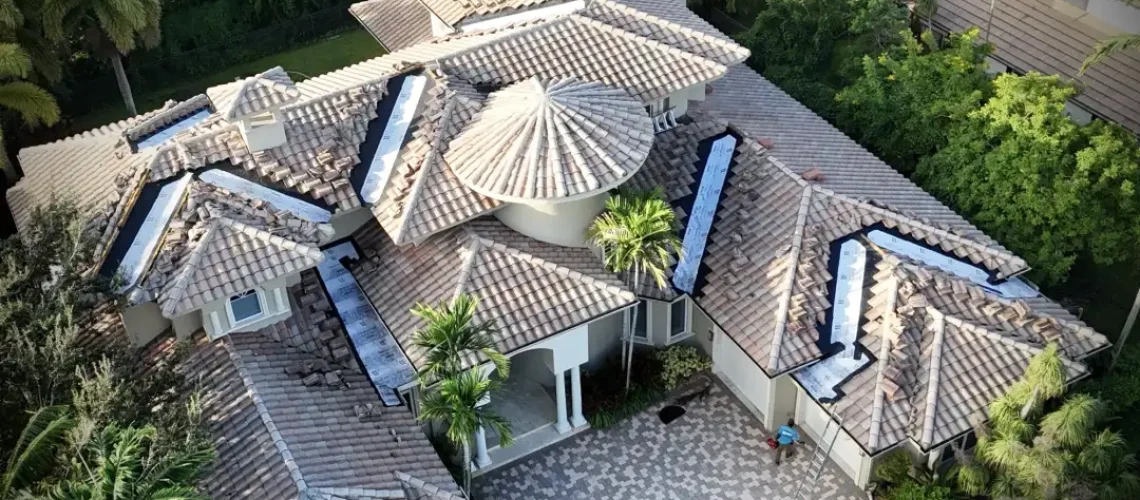
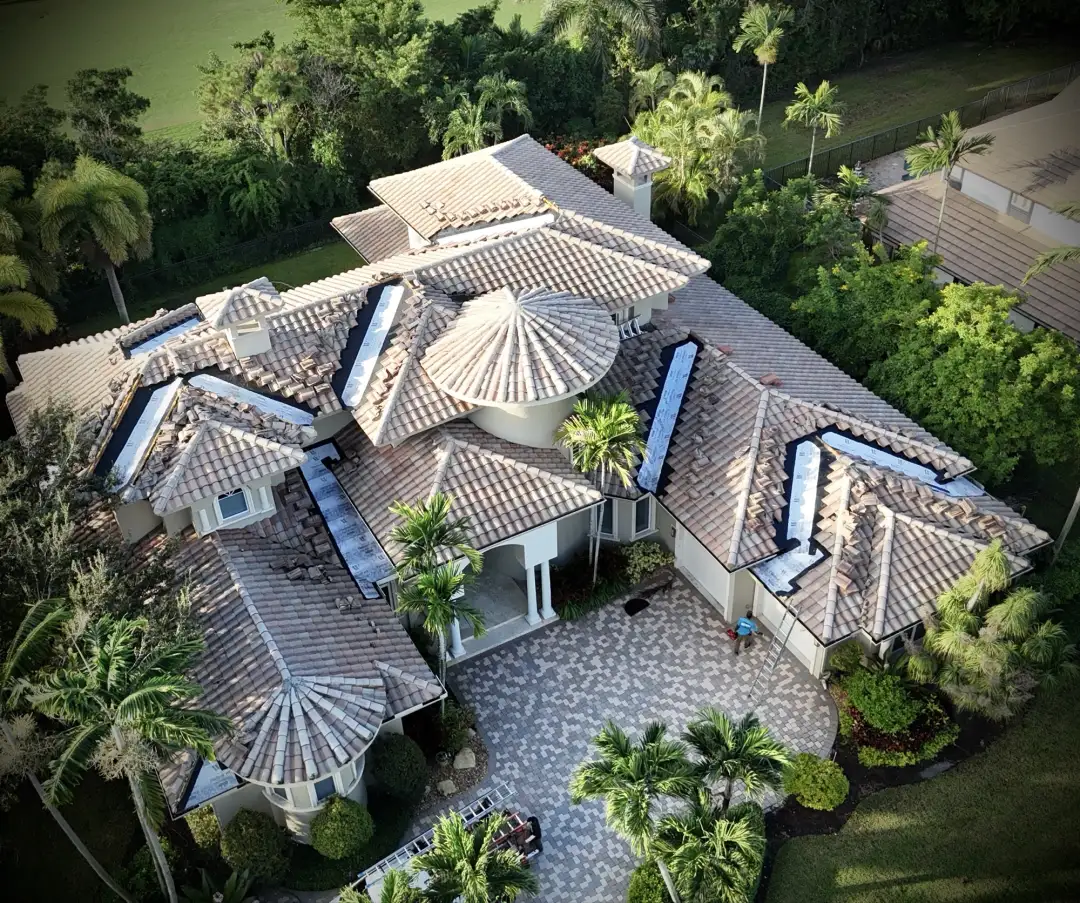
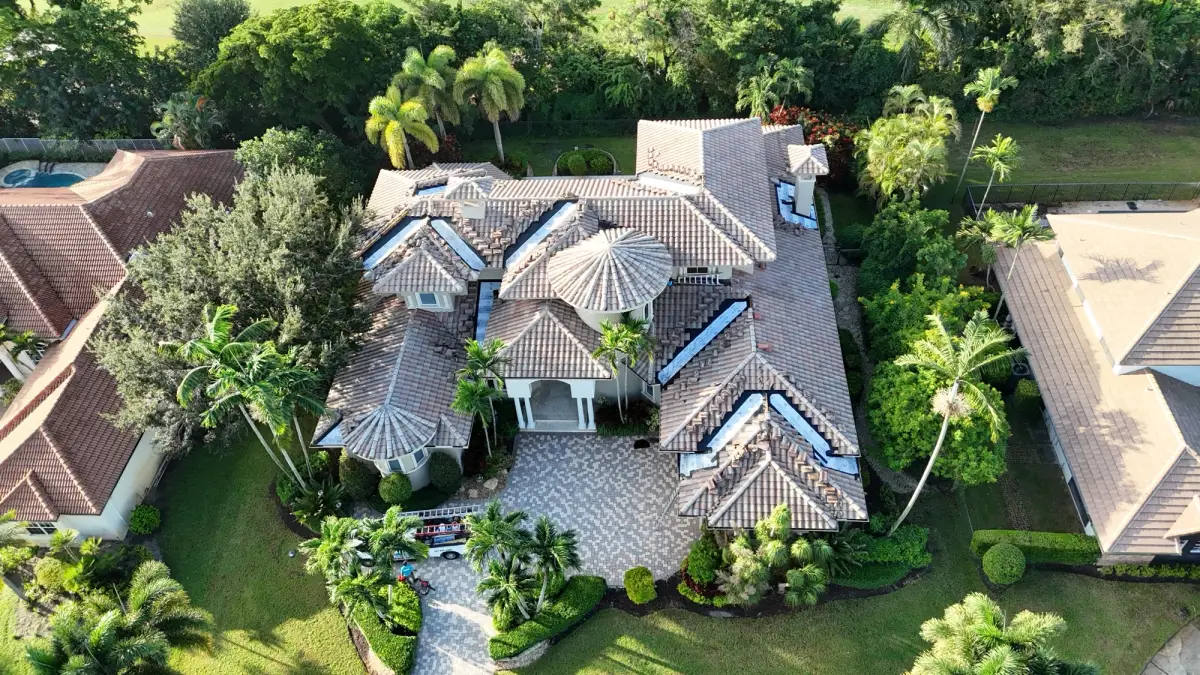
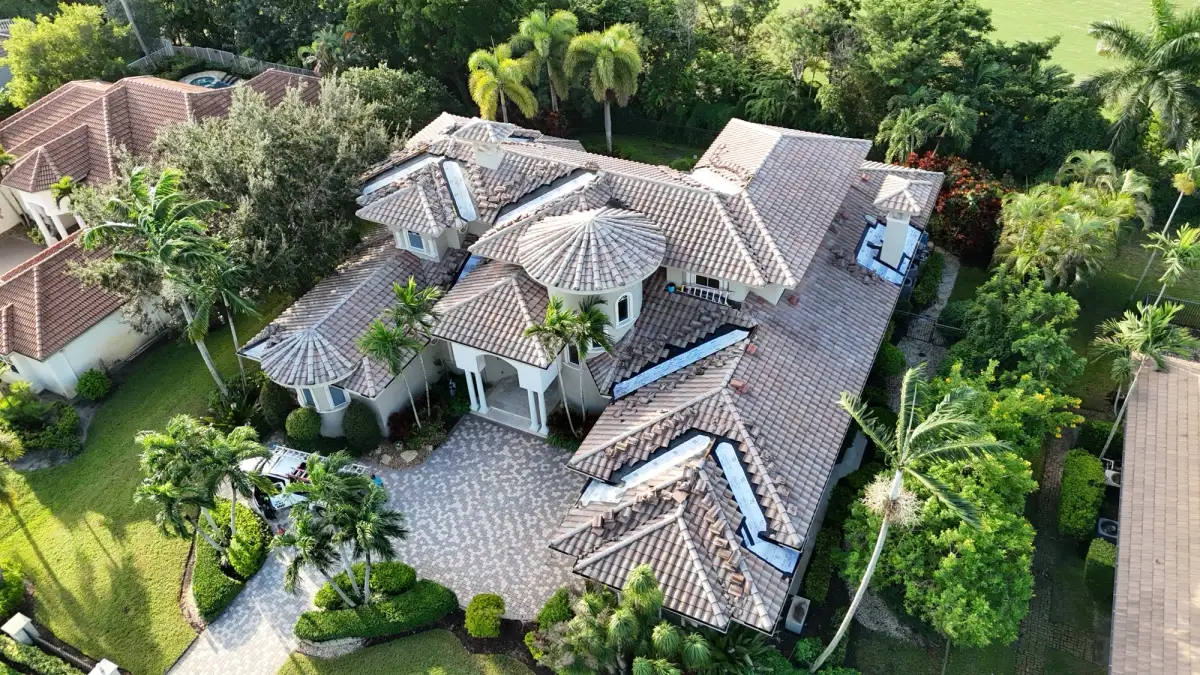
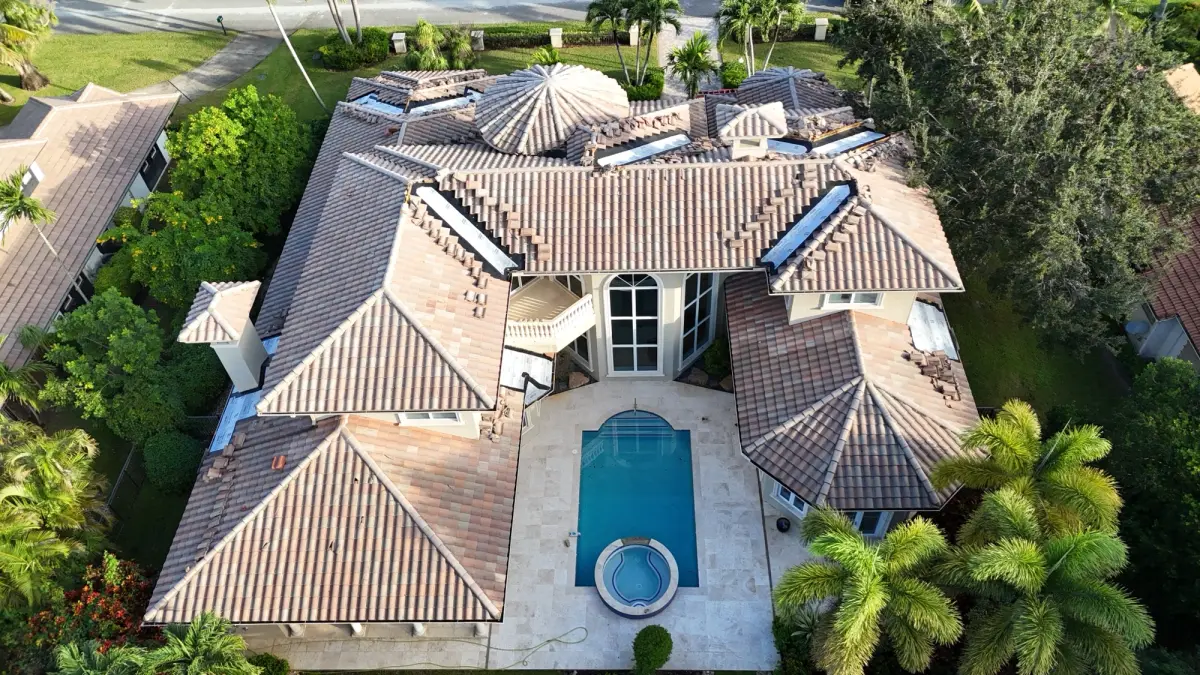
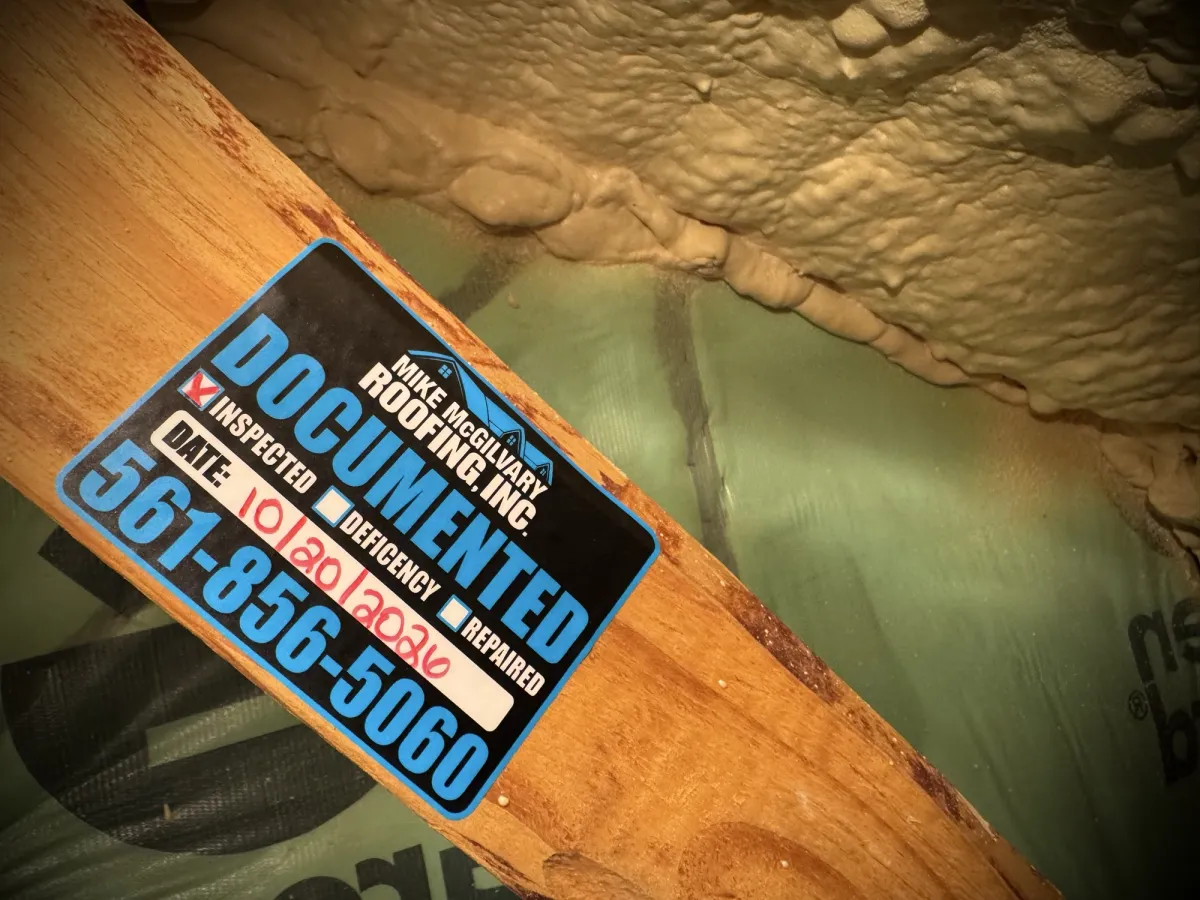
The photos on this page are from one of those days: a tile roof with its valley areas opened up for repair, and attic framing from that same day, tagged and dated. Every area we inspect gets a tag marked Inspected, Deficiency or Repaired, so the record shows what we found and what we did about it. See how that works: Every Inch, Documented
If a roof can’t reach five years without replacement, we’ll tell you that plainly, in writing, with the photos to back it up.
What an MMR 5-Year Roof Certification includes
- A hands-on inspection of the roof covering, flashings and penetrations, plus the attic where it’s accessible
- Dated photos of the roof and of every deficiency
- A record of any repairs performed and photos of the finished work
- An estimated remaining useful life based on what we found
- A signature under our Florida contractor license
A certification documents the roof’s condition on the day we inspect it. It is not a warranty, and whether a carrier, lender or buyer accepts it is their decision.
See a real, signed example: 5-Year Roof Certification
For insurance renewals: Roof Certification for Insurance
Selling or buying: Roof Certifications for Florida Real Estate and Closings
What it costs
Your roof inspection is free and no-obligation. If the roof qualifies as it is, you’ll know the certification fee before anything is issued. If it needs repairs first, you’ll get a written, photo-backed proposal before any work starts.
Frequently asked questions
Is a 2-year roof certification enough for insurance in Florida?
It depends on the carrier, but it won’t trigger the protection in Florida Statute 627.7011. That protection depends on an authorized inspector finding five or more years of remaining useful life on a roof 15 years or older. If insurance is the reason you need it, ask for the five-year finding.
Can a roofing contractor sign a 5-year roof certification?
Yes. Florida’s statute lists roofing contractors among authorized inspectors, but the inspector also has to be approved by your insurer. Confirm with your agent before the inspection.
My roof is under 15 years old. Do I need a certification?
Under Florida law, an insurer can’t refuse to issue or renew your policy solely because a roof under 15 years old is too old. Your carrier can still ask about condition, and a buyer or lender may still ask for a certification in a sale.
How long is a roof certification good for?
No Florida statute sets a validity period. The insurer, lender or buyer who asks for it decides, and many will want a new one after a major storm.
Can a roof that fails be repaired and then certified?
Often, yes, when the problems are localized and the roof deck and structure are sound. We document the repairs and then estimate remaining useful life. If repairs won’t get the roof to five years, we’ll tell you.
Does a roof certification guarantee my insurance?
No. It’s professional evidence of the roof’s condition. Coverage decisions belong to your insurer.
Call Mike McGilvary Roofing at 561-856-5060 to schedule a free roof inspection and find out which certification your roof qualifies for.