
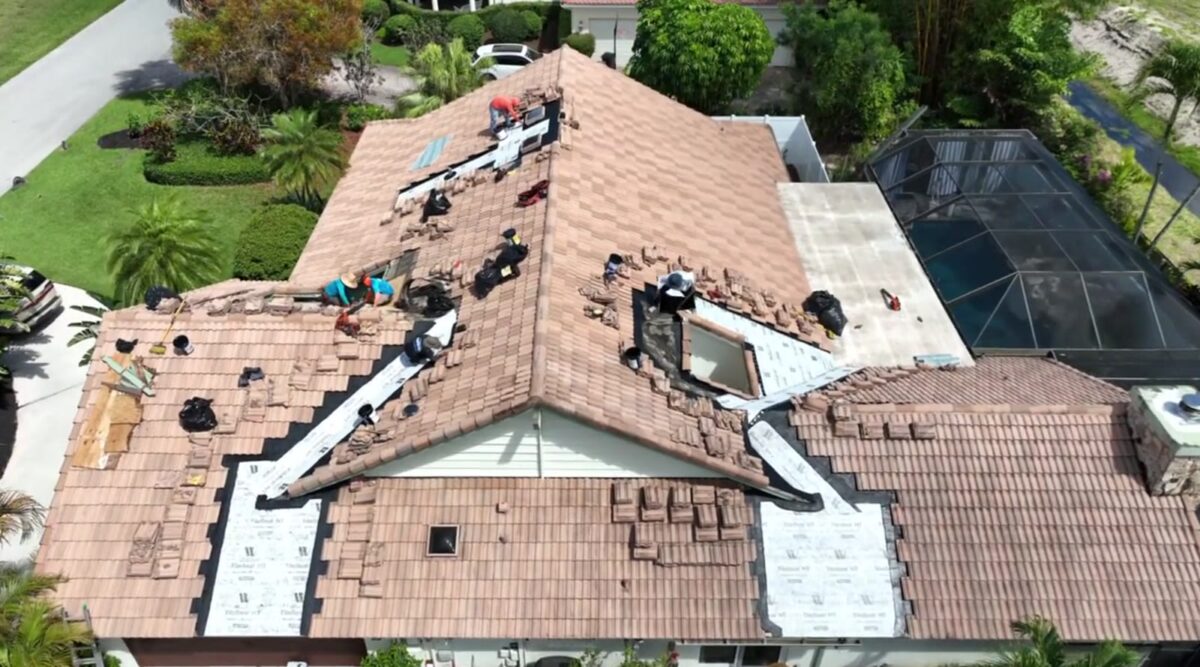
The number that decides your roof's fate: the years it has left.
A roof's remaining useful life — the documented estimate of how many years it has left, based on condition rather than age — is the figure insurers, lenders, buyers, and Florida law actually weigh. We measure it with a thorough, thermal-imaged inspection and put it in writing, so you have proof of what your roof is really worth. Repair-first, documentation-first — a McGilvary family standard since 1974.
Accredited · Certified · Recognized · A McGilvary Family Legacy of Licensed Roofing in Palm Beach County Since 1974
Age is a number on a permit. Useful life is the truth about your roof.
Two identical roofs of the same age can be in completely different shape. Remaining useful life is the professional, documented estimate of how many years a roof can keep doing its job — and it's the figure that actually carries weight. Under Florida's Roof Age Law (§627.7011), a roof with enough useful life left can't be condemned on age alone. It's what a 5-Year Roof Certification documents, and it's the honest basis for any repair-versus-replacement decision.
The remaining-useful-life threshold at the heart of Florida's Roof Age Law: a roof shown by inspection to have at least five years of useful life generally can't be condemned on age alone.
The moments your roof's useful life suddenly matters.
A documented remaining-useful-life finding is what turns "how old is it?" into "what shape is it actually in?"
Renewal or a new policy
Carriers increasingly judge roofs by age, especially past 15 or 25 years. A documented useful-life finding is the evidence that your roof is sound — the kind of record that may support a review where a carrier is weighing age.
A home sale on the line
Buyers, agents, and lenders all want to know how much roof life is left. A signed condition-and-useful-life report answers the question with documentation instead of guesswork.
Storm damage in question
After a major weather event, a documented assessment establishes what was actually damaged and how much useful life remains — valuable for both repairs and any claim.
Someone said "replace it"
Handed a replacement quote? A documented useful-life finding is the second opinion that tells you whether the roof truly needs replacing — or has years left.
Published In & Recognized By




What goes into a documented useful-life assessment.
Remaining useful life isn't a guess off a ladder. It's the conclusion of a thorough, recorded inspection.
- A component-by-component evaluation of the whole roof system
- Attic thermal imaging to find trapped moisture you can't see
- Photographic documentation of each area and any findings
- Surface, underlayment, flashing, valley, and drainage assessment
- A written estimate of the roof's remaining useful life
- Findings signed under Florida contractor license CCC1331721
Six things that determine how much life a roof has left.
Useful life is the sum of these conditions — each documented, each photographed.
Surface & materials
The condition of the tile or shingle itself — cracking, spalling, granule loss, slipped or broken pieces — and how much sound material remains.
Underlayment condition
The waterproof layer beneath the tile is the part that actually fails first. Its condition is often the single biggest driver of remaining useful life.
Flashing & penetrations
The seals and metal where the roof meets walls, chimneys, vents, and skylights — common first leak points as a roof ages.
Valleys & high-water areas
Where water concentrates, wear accelerates. The state of the valleys often reveals how the rest of the roof is aging.
Attic & moisture
Thermal imaging in the attic finds trapped moisture and active intrusion that aren't visible from the surface — a key useful-life signal.
Deck & structure
The wood sheathing and framing beneath everything. A sound deck supports a long useful life; widespread rot shortens it sharply.
A real useful-life finding — photographed and signed.
This is what "documented" means: each area assessed and photographed, with a written remaining-useful-life finding a carrier, lender, or buyer can actually read.
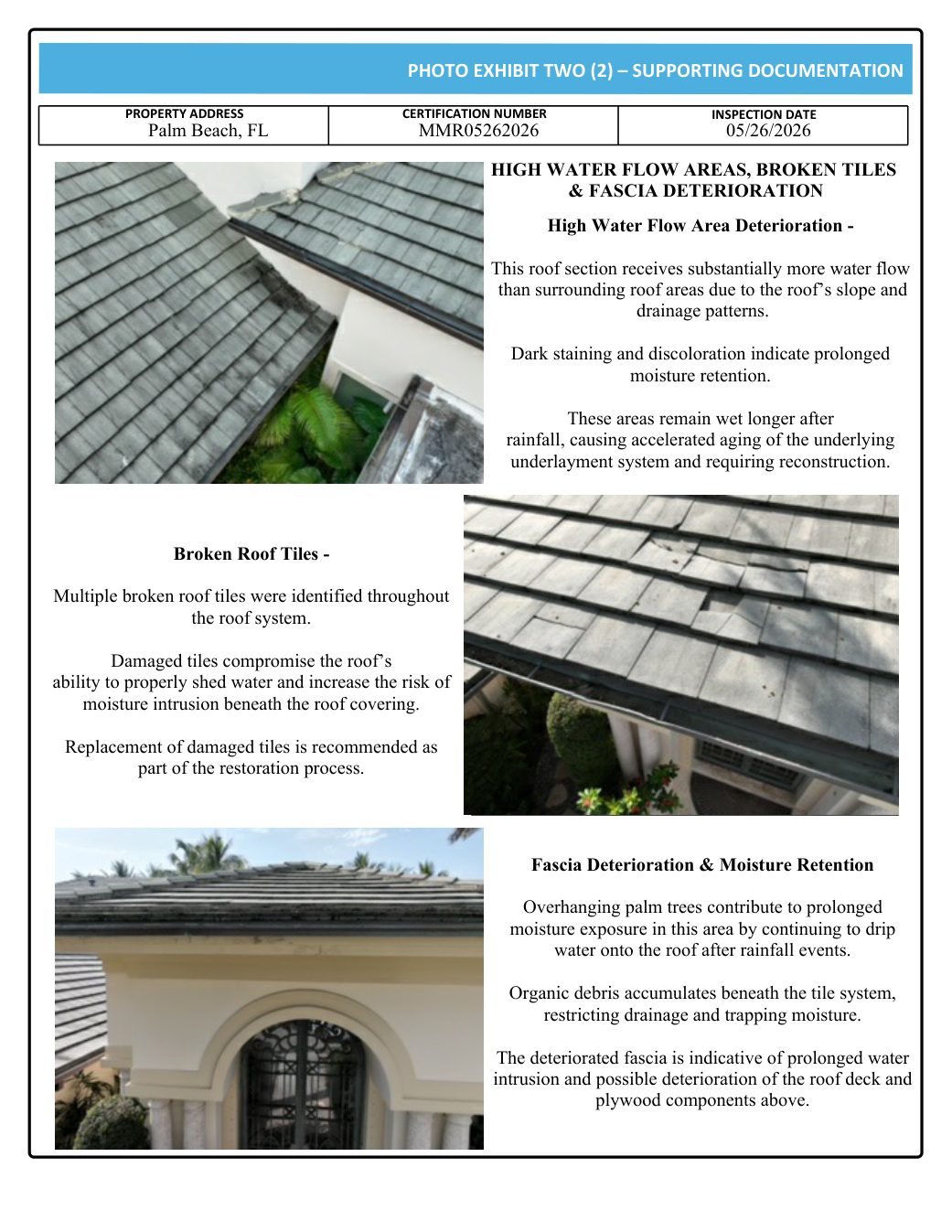
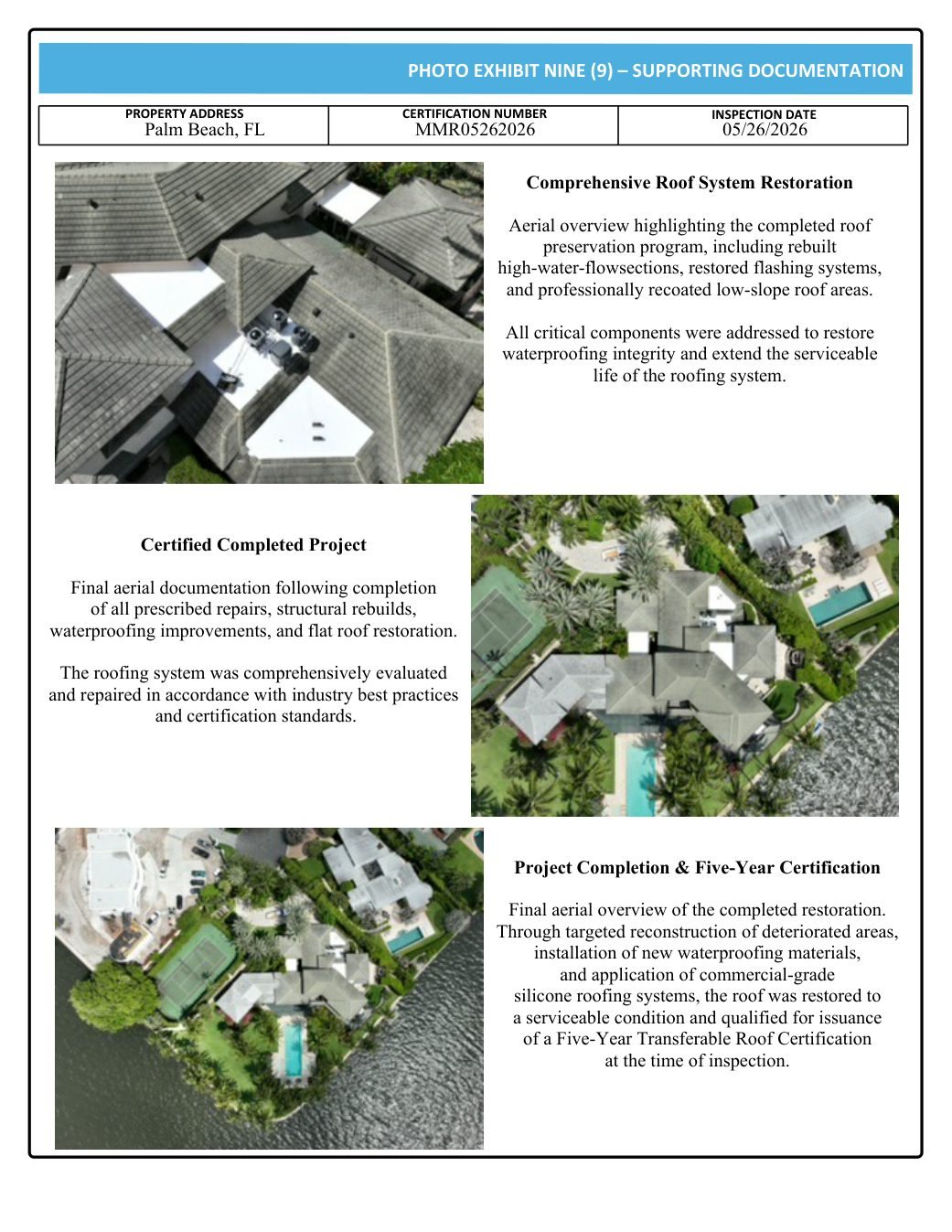
From inspection to a number you can put on the record.
Free, documented inspection
A complete roof inspection with attic thermal imaging, at no cost and no obligation — the foundation of any honest useful-life estimate.
Component-by-component assessment
Each part of the system — surface, underlayment, flashings, valleys, deck — evaluated and photographed, so the estimate rests on documented condition.
Remaining-useful-life estimate
A professional, written estimate of how many years the roof can keep performing — the figure insurers, lenders, and Florida law weigh.
The documentation package
A signed report you can hand to a carrier, buyer, or lender — and, if the roof qualifies, a 5-Year Roof Certification on top of it.
A documented useful-life finding pays for itself.
The inspection is free. What the documentation can save you — and protect — is the real return.
Evidence on the record
A documented condition and useful-life finding gives you something concrete to provide when a carrier is weighing your roof's age — rather than accepting an age-based decision.
A clean answer for buyers
A signed useful-life report removes the roof as a question mark in a sale, for buyers, agents, and lenders alike.
Years you didn't know you had
If the documentation shows real life remaining, you may avoid a full replacement you were told you needed.
This page is general information about roof inspections, remaining useful life, and Florida's Roof Age Law, not legal or insurance advice. A remaining-useful-life estimate reflects documented condition at the time of inspection and does not bind any insurer or guarantee a coverage outcome; those decisions rest with your carrier. Requirements vary by insurer and policy. Sources: Florida Statute §627.7011 · Florida CFO: property insurance changes.
Documentation is the whole point — not a sales tool.
We measure, we don't guess
Remaining useful life is the conclusion of a documented, photographed, thermal-imaged inspection — not a number invented to justify a replacement.
Signed under our license
Every assessment is signed under Florida contractor license CCC1331721 — the kind of documentation that holds up when a carrier, lender, or buyer reads it.
An advocate, not a salesperson
Our useful-life findings exist to tell you the truth about your roof — whether that means it's sound, needs a repair, or has genuinely reached the end.
See it for yourself
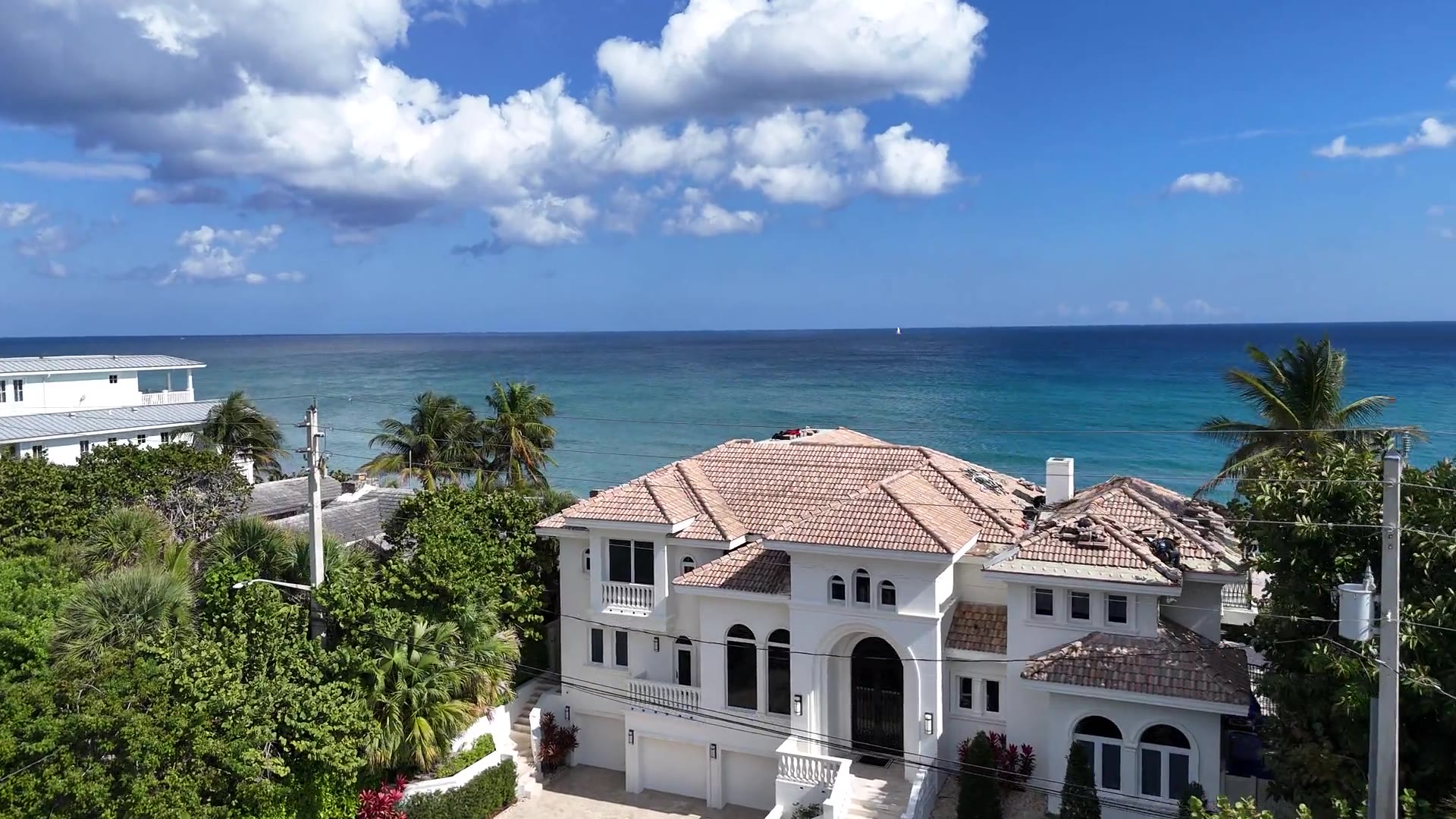
Browse the Resource Center, a real redacted 5-Year Certification, and the Island Drive case study with its documented useful-life finding. See also our oceanfront estate case study, where a roof only about two years old was certified for a useful life exceeding five years after targeted repairs.
Your questions, answered honestly.
What is a roof's remaining useful life?
How is remaining useful life measured?
Why does remaining useful life matter for insurance?
How long does a roof actually last in Florida?
How often should I have my roof's condition documented?
Find out how many years your roof really has left.
A free, thermal-imaged inspection and a documented remaining-useful-life finding you can put on the record — for your insurer, a buyer, or your own peace of mind. A McGilvary Family Legacy of Licensed Roofing in Palm Beach County Since 1974.
Send a Message