
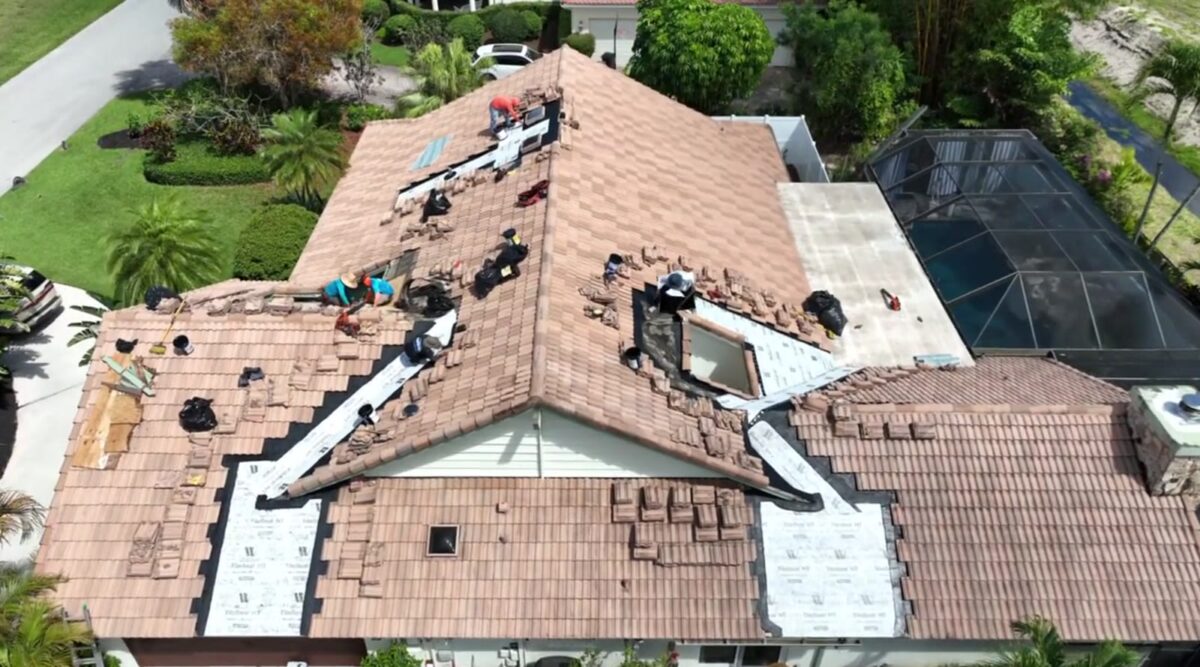
Your tile isn't the problem. The layer beneath it is.
Florida tile roofs rarely fail all at once. Clay and concrete tile can last 50 years or more — but the underlayment beneath it, the actual waterproof layer, cooks out in our sun and rain decades sooner. When it goes, you don't necessarily need a new roof. You need the underlayment rebuilt and your sound tile re-laid — usually far less than a full tear-off. Repair-first.
Accredited · Certified · Recognized · A McGilvary Family Legacy of Licensed Roofing in Palm Beach County Since 1974


A tile roof is really two roofs — and only one of them ages out.
The tile is your armor: clay and concrete tile routinely last 50+ years in South Florida. The waterproofing is the felt or synthetic underlayment underneath — and in our heat, UV, and wind-driven rain it reaches the end of its life first — we assess its condition rather than assume it from age. An age-based replacement throws away tile with decades of service left. A condition-based evaluation tells you which layer is actually failing — and under Florida's Roof Age Law (§627.7011), a sound roof with five or more years of remaining useful life can't be condemned on age alone. When the tile is sound and the underlayment is spent, the fix is a tile roof rebuild, not a replacement.
The gap between rebuilding a tile roof's underlayment — re-laying your existing tile over a new waterproof layer — and tearing the whole roof off and starting over.
Preserving a tile roof, section by section
Tile preservation isn’t a slogan — it’s a process. Mike carefully removes and protects the original tile, rebuilds the failed underlayment and flashings beneath, and relays the same tile so the roof keeps its character and its remaining service life.
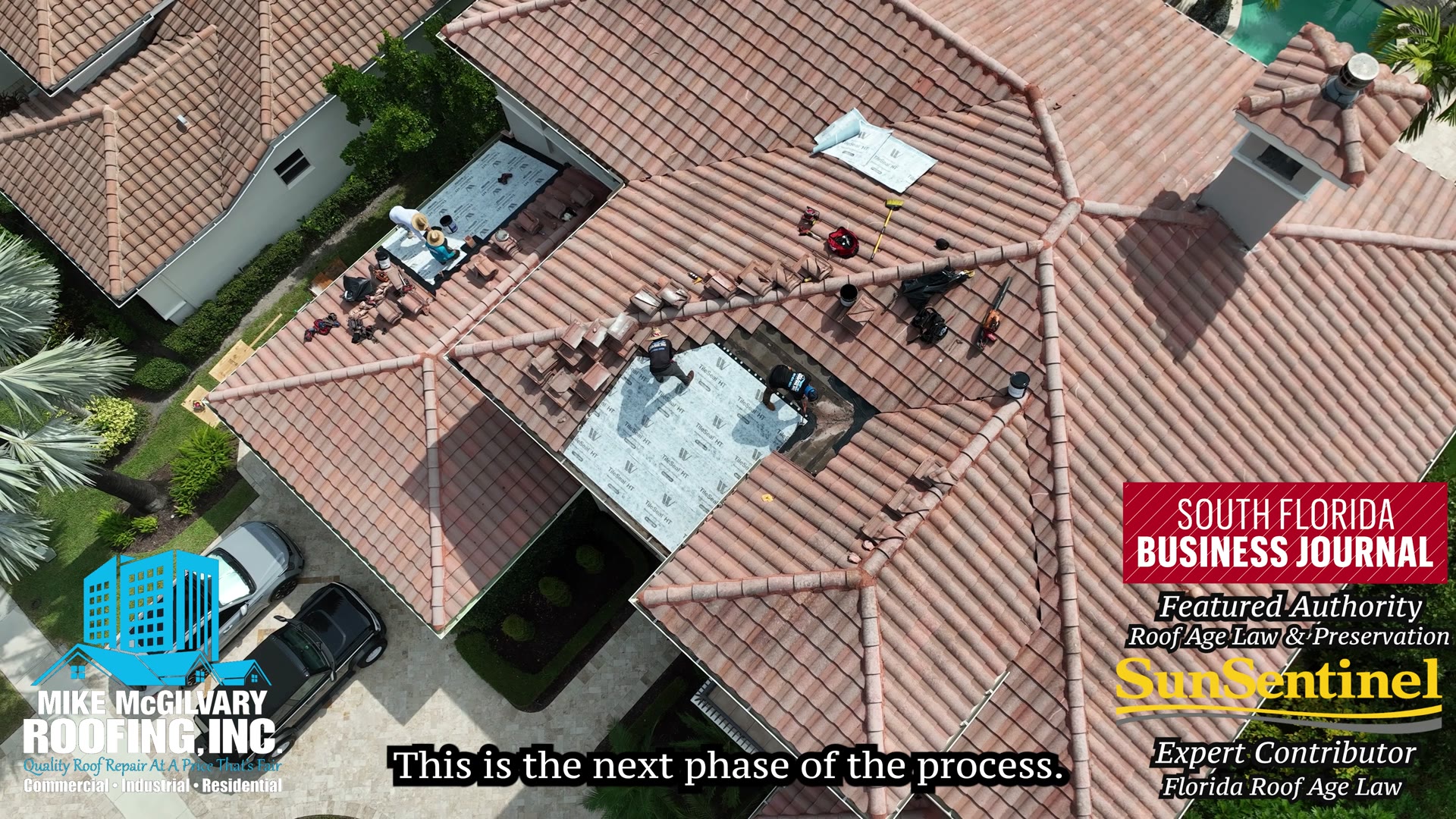
The tile is rarely the problem — the layer beneath it is. This walkthrough shows the high-water-flow areas opened, the compromised decking and underlayment replaced to code, and the original tile reinstalled — preservation instead of a full replacement.
Watch the full walkthrough and read the complete transcript on our Roof Rebuild page →
Related reading: roof rebuild · roof repair vs. replacement · remaining useful life · 5-Year Roof Certification · Florida Roof Age Law
Wondering if your roof can be rebuilt instead of replaced? Schedule a free roof inspection and let us determine whether targeted rebuilding can extend the life of your roof.
Every roofer said replace. We preserved it instead.
A repair-first evaluation saved this homeowner’s tile roof — and tens of thousands of dollars — while documenting its condition with a signed certification.
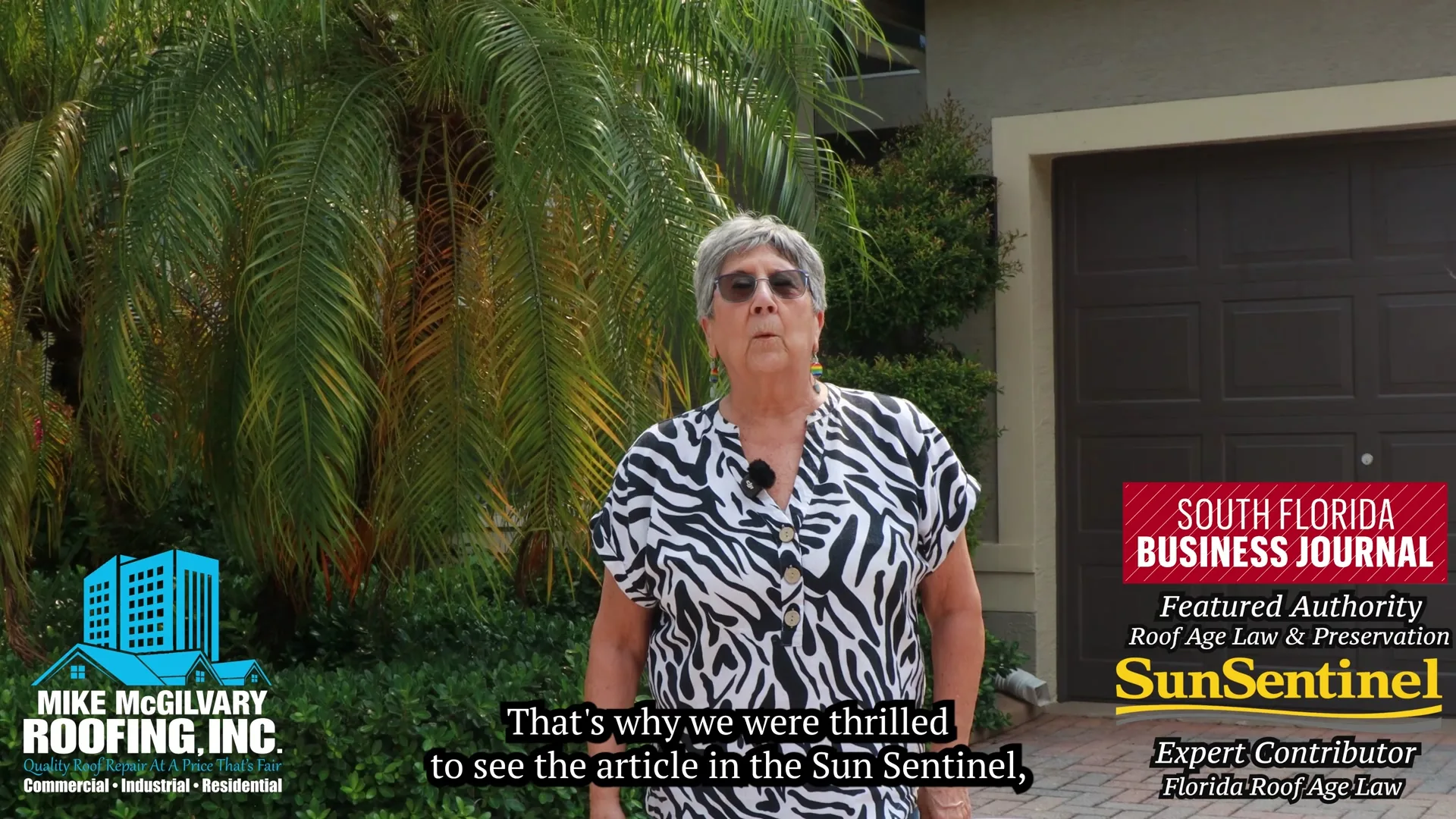 Client testimonial · 0:58
“They all recommended a full roof replacement… it was much better to spend a few thousand on repairs than tens of thousands on a replacement that we didn’t really need yet. We received the roofing certificate within 24 hours for our insurance company.”— Mrs. Schwartz, Palm Beach County homeowner
Mrs. Schwartz found us the same way many of our clients do — through Mike’s Sun Sentinel op-ed on Florida’s Roof Age Law (more in our Florida Roof Age Law guide). Instead of the full replacement every other roofer recommended, we evaluated the roof that was there, repaired what had actually failed, documented the roof’s condition, and delivered a signed roof certification within 24 hours. That’s the repair-first difference.
The tile shrugs off the weather. The felt underneath takes the damage.
Four things age out a Florida tile roof's underlayment long before the tile itself wears out.
It cooks from below
Attic temperatures and direct sun bake the asphalt out of felt underlayment, leaving it brittle and cracked. The tile insulates the surface you see — while the layer that matters slowly hardens and fails.
Sunlight reaches it through gaps
Every cracked, slipped, or lifted tile lets UV strike the underlayment directly. Florida's sun breaks it down far faster than the tile manufacturer's lifespan would suggest.
It never fully dries out
High humidity and wind-driven rain keep the underlayment damp, and constant wet-dry cycling degrades it. Trapped moisture is also why a failing roof shows up first as attic and ceiling stains.
Valleys concentrate the wear
Valleys and transitions funnel water from two roof planes over the same narrow path. That concentrated flow wears the underlayment through years before the open field of the roof shows any age.
Published In & Recognized By





Seven signs the layer under your tile is failing.
You rarely see the underlayment — but you can see what happens when it stops doing its job.
- Water stains on ceilings or upper walls after rain
- Damp, discolored, or clumped attic insulation
- A musty, earthy smell in upper-floor rooms
- Water stains on fascia or soffit boards
- Cracked, slipped, or missing tiles
- Daylight visible through the roof deck in the attic
- An unexplained jump in cooling bills
It starts in the valleys — not across the whole roof.
Tile roofs fail in predictable places. Knowing where lets us preserve the rest.
Valleys
Every drop off two roof planes funnels here. Valleys see the most water and the highest velocity, so their underlayment and metal wear through first — usually years ahead of the rest of the roof.
Transitions & flashings
Where the roof meets a wall, chimney, or changes pitch, sealant and metal flashing age, lift, and separate. These joints are among the most common leak origins on a tile roof.
Penetrations
Plumbing vents, exhaust stacks, and skylights all break the roof plane. The boots and seals around them harden and crack long before the tile field does.
Hips & ridges
Mortar and ridge components loosen with decades of thermal expansion and contraction, opening paths for wind-driven rain to reach the underlayment.
Eaves & drip edges
Wind pushes rain back up under the first courses of tile at the eaves. Worn drip-edge detailing lets that water find the deck and the fascia behind it.
The open field
The broad, flat areas of tile fail last. When the field is sound and the failures are confined to valleys and details, preservation is almost always on the table.
Hurricane readiness starts before a storm is named.
The time to find a tile roof’s weak points is well before a tropical system threatens South Florida — not in the last days before landfall, when crews are booked and materials run short. A pre-season inspection documents the localized vulnerabilities that let wind-driven rain reach the underlayment, while there is still time to correct them.
- Valleys and other high-water-flow areas
- Penetrations, flashings, and roof-to-wall transitions
- Slipped, cracked, or displaced tiles
- Previous repair areas
- Drainage paths that carry water off the roof
- Underlayment deficiencies where they are visible or accessible
- The remaining serviceable roof areas worth preserving
The approach stays preservation-first: identify localized deficiencies early, correct only what genuinely needs it, document the roof’s condition, and preserve serviceable roofing rather than assuming age alone calls for replacement. That condition record also supports your position under Florida’s Roof Age Law, a documented remaining-useful-life assessment, and — when the roof qualifies — a signed 5-Year Roof Certification. It’s the same reason failures show up first in high-water-flow areas, and why repair versus replacement is a condition decision, not an age decision.
An underlayment rebuild — tile up, felt out, re-laid.
This is what preservation looks like on a real Palm Beach estate: the sound tile lifted and set aside, the failed underlayment replaced, the deck rebuilt, and the original tile re-laid — not a tear-off. This condition-over-age approach was also featured in Boca Magazine.
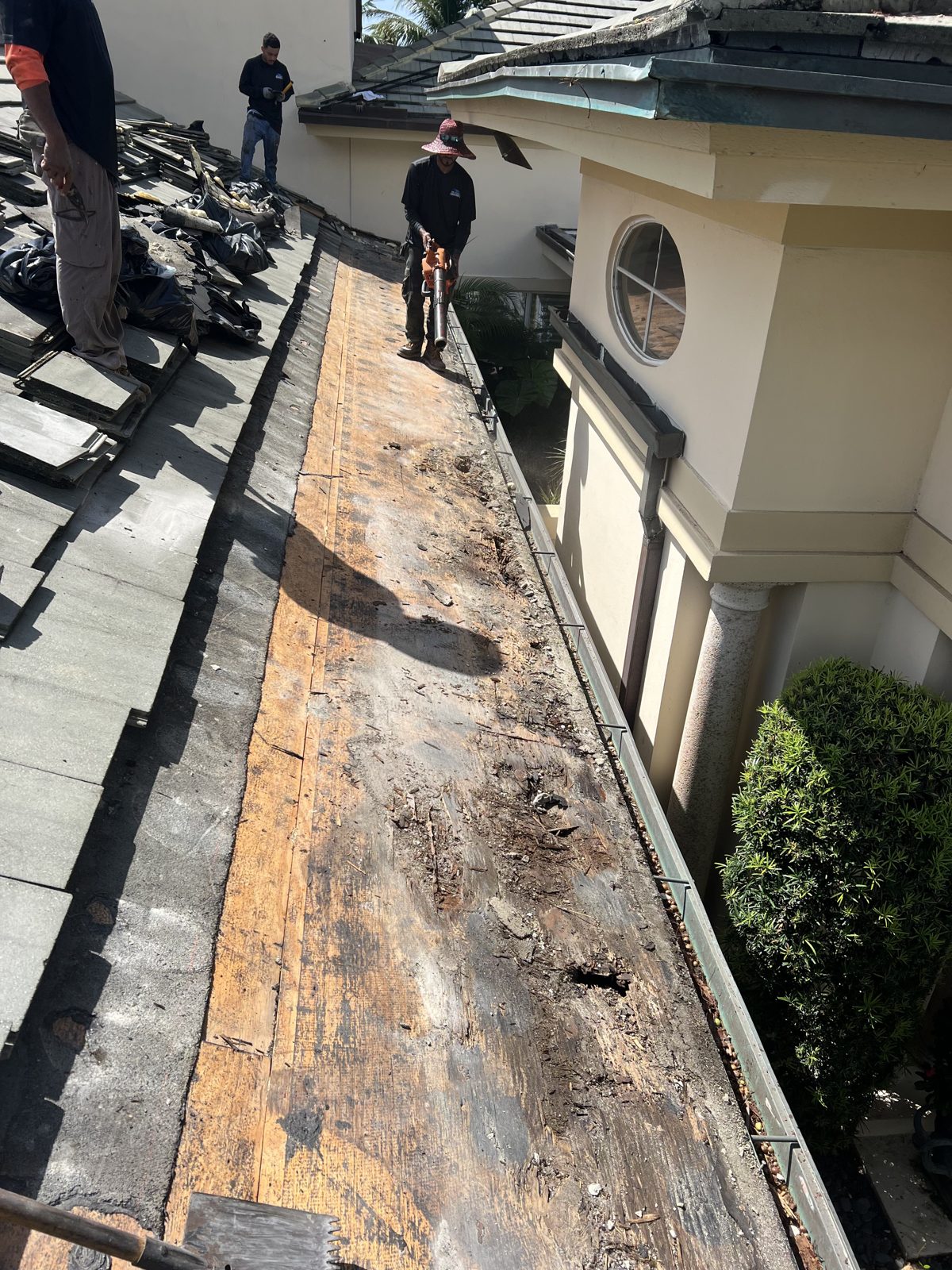
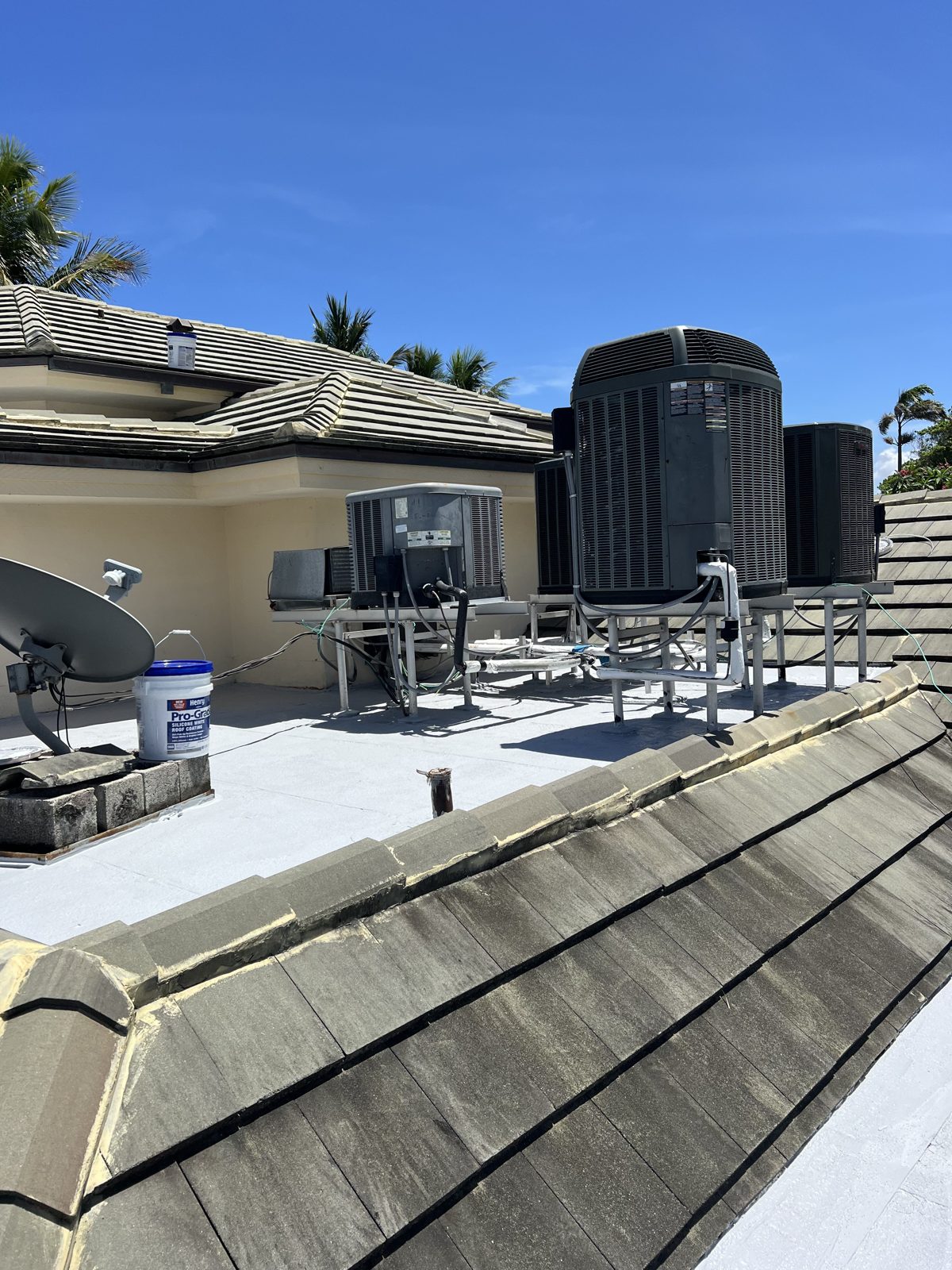
Preservation on a high-value estate, documented start to finish.
Repair-first roofing at its highest level: an luxury Delray Beach oceanfront estate whose roof — only about two years old, yet with localized failures — was preserved through targeted reconstruction rather than replacement, then certified for a remaining useful life exceeding five years. It ties together remaining useful life, condition over age, and repair instead of replacement.
A high-value tile roof, saved instead of torn off.
On this Delray Beach oceanfront estate, the tile was sound — the layer beneath it was the real issue. We lifted and re-laid the existing tile over a rebuilt system rather than defaulting to a full replacement, often the difference of tens of thousands of dollars.
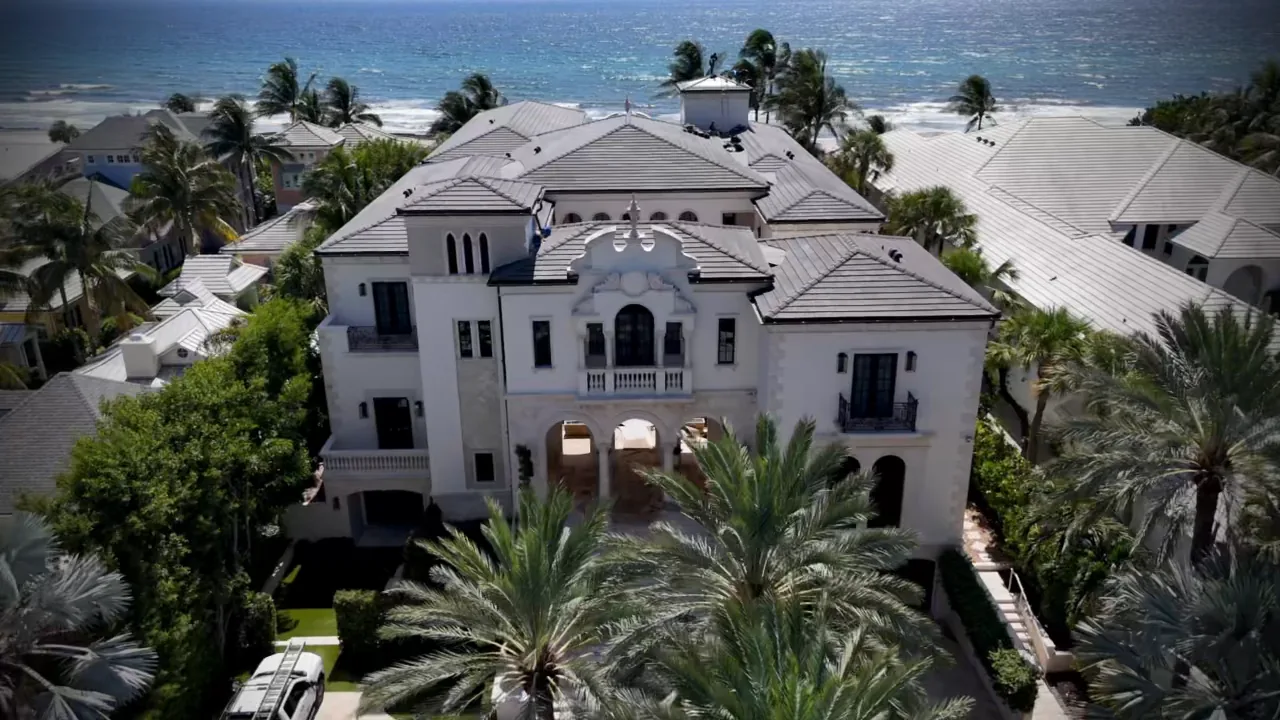 Aerial roof tour · 1:02
What you're watching: a drone tour of an luxury oceanfront estate in Delray Beach, flying the front elevation, the towers and multi-section concrete tile roof, and out over the Atlantic shoreline behind the property. It's the same roof our team inspected, documented, repaired through targeted reconstruction, and then certified.
This is what tile roof preservation looks like on a luxury estate: keep the valuable roof system, fix what actually failed underneath, and document every step. It's the same repair-first approach we bring to clay and concrete tile roofs across Palm Beach County — see tile roof preservation and repair vs. replacement.
To protect the owner's privacy, the estate's address and ownership details are not published. Explore the full write-up in the Delray Beach oceanfront estate case study.
From a free inspection to a roof that's been saved, not replaced.
Free, documented inspection
A complete roof inspection with attic thermal imaging. We find where the underlayment is actually failing — not just where you happen to see a stain — at no cost and no obligation.
Condition & useful-life report
A written, photographed assessment of each area of the roof and an honest estimate of its remaining useful life, so the decision is based on documented condition, not age.
Preserve & rebuild
We carefully lift the sound tile, replace the failed underlayment, rebuild valleys and flashings, and re-lay your existing tile. We replace only the tile that's genuinely gone.
Certify when it qualifies
If the finished roof is sound, a signed 5-Year Roof Certification documents its condition and remaining useful life — useful when an insurer or buyer asks. Community associations weighing preservation for aging tile roofs can review our guide for Florida HOA boards.
When a rebuild is right — and when it isn't.
Preservation isn't always the answer. The honest version of this decision rests on condition, not a sales target.
When your tile is sound
If the tile is largely intact and the deck is solid but the underlayment has aged out, we re-lay your existing tile over a new waterproof layer and rebuild the failure points. Usually well below a full replacement — and it keeps tile that's often hard to match.
When it's truly needed
If the tile itself is widely cracked, the deck is compromised, or the system has genuinely reached the end of its life, a full replacement is the right call. We'll tell you honestly when that's the case — and never one day sooner.
This page is general information about tile roof systems and Florida's Roof Age Law, not legal or insurance advice. Every roof is evaluated on its own documented condition, and remaining-useful-life findings vary by roof. For coverage questions, consult your insurance carrier or agent. Sources: Florida Statute §627.7011 · Florida CFO: property insurance changes.
The preservation-first roofer — documentation over demolition.
We inspect the layer that fails
Our whole approach is the opposite of an age-based tear-off. We find the underlayment failures, document them, and preserve every part of the roof that's still sound.
Thermal imaging, signed reports
Attic thermal imaging finds trapped moisture you can't see from a ladder, and every assessment is documented and signed under Florida license CCC1331721.
No sales pressure, ever
If your roof can be preserved, we say so. If it genuinely needs replacing, we show you exactly why — never a replacement you don't need.
See it for yourself
Browse the Resource Center, a real redacted 5-Year Certification, and the Island Drive case study — a Palm Beach estate roof we preserved instead of replaced.
Your questions, answered honestly.
Can you really save my tile roof instead of replacing it?
How long does tile underlayment last in Florida?
Is a rebuild really cheaper than a full replacement?
How do you know whether my roof can be preserved?
Do you reuse my existing tile?
Does a preserved roof still qualify for a certification?
Three repairs. Three visits. The roof was still leaking.
A homeowner had already paid another contractor for three separate repairs on the same active leak — and it kept coming back. The previous repairs never corrected the complete water path or found the rotted decking at the bottom of the section. Mike McGilvary Roofing removed the tile across the full affected area, replaced the compromised wood, rebuilt the waterproofing system, and reinstalled the existing tile in one complete corrective repair.
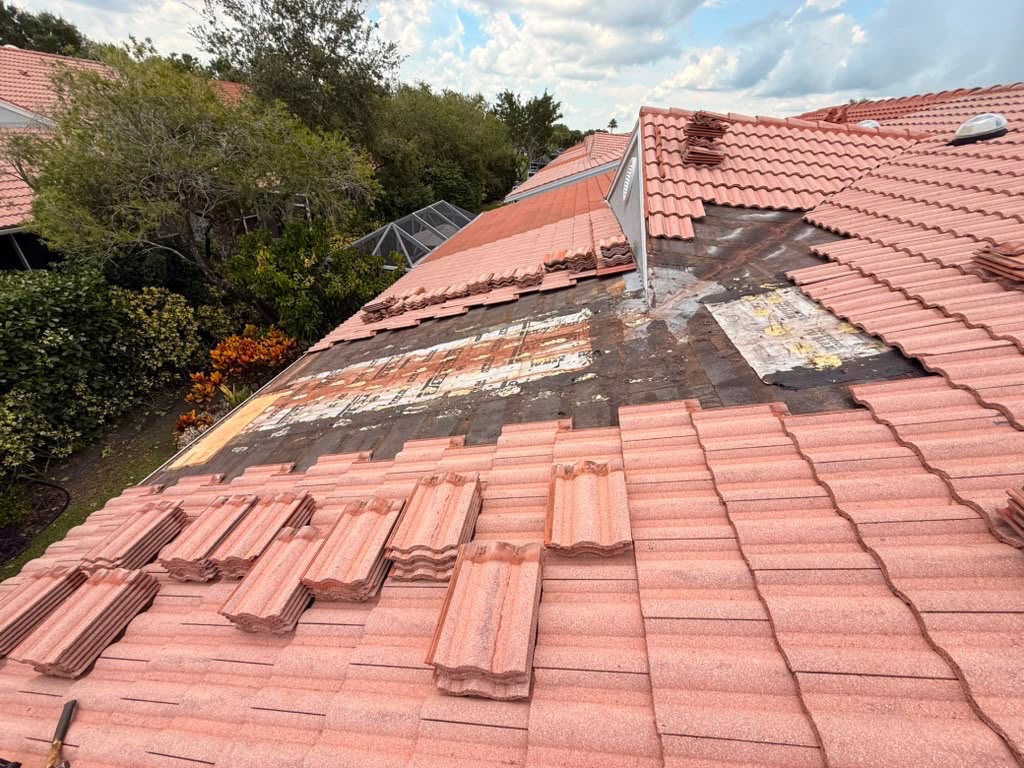
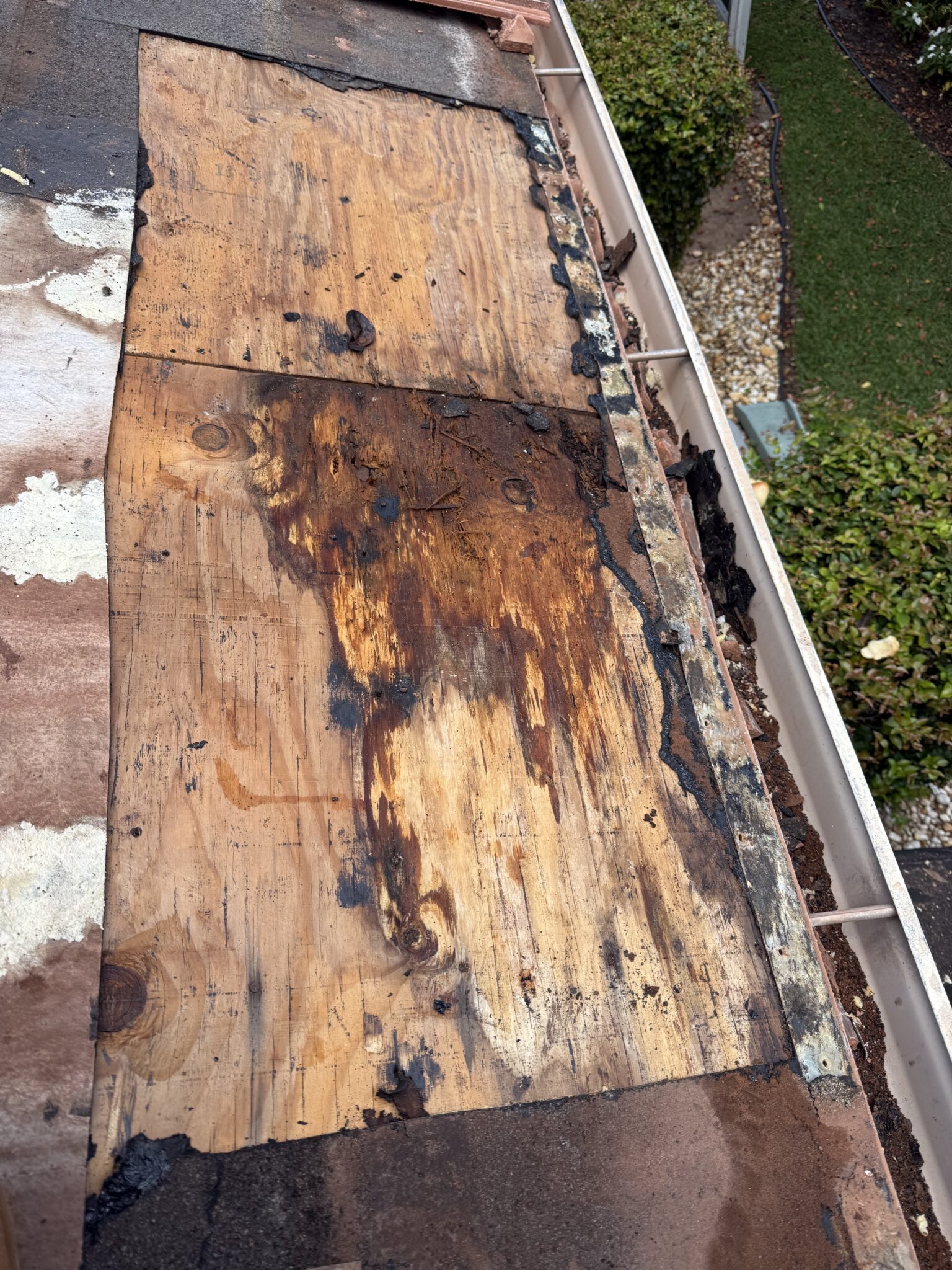
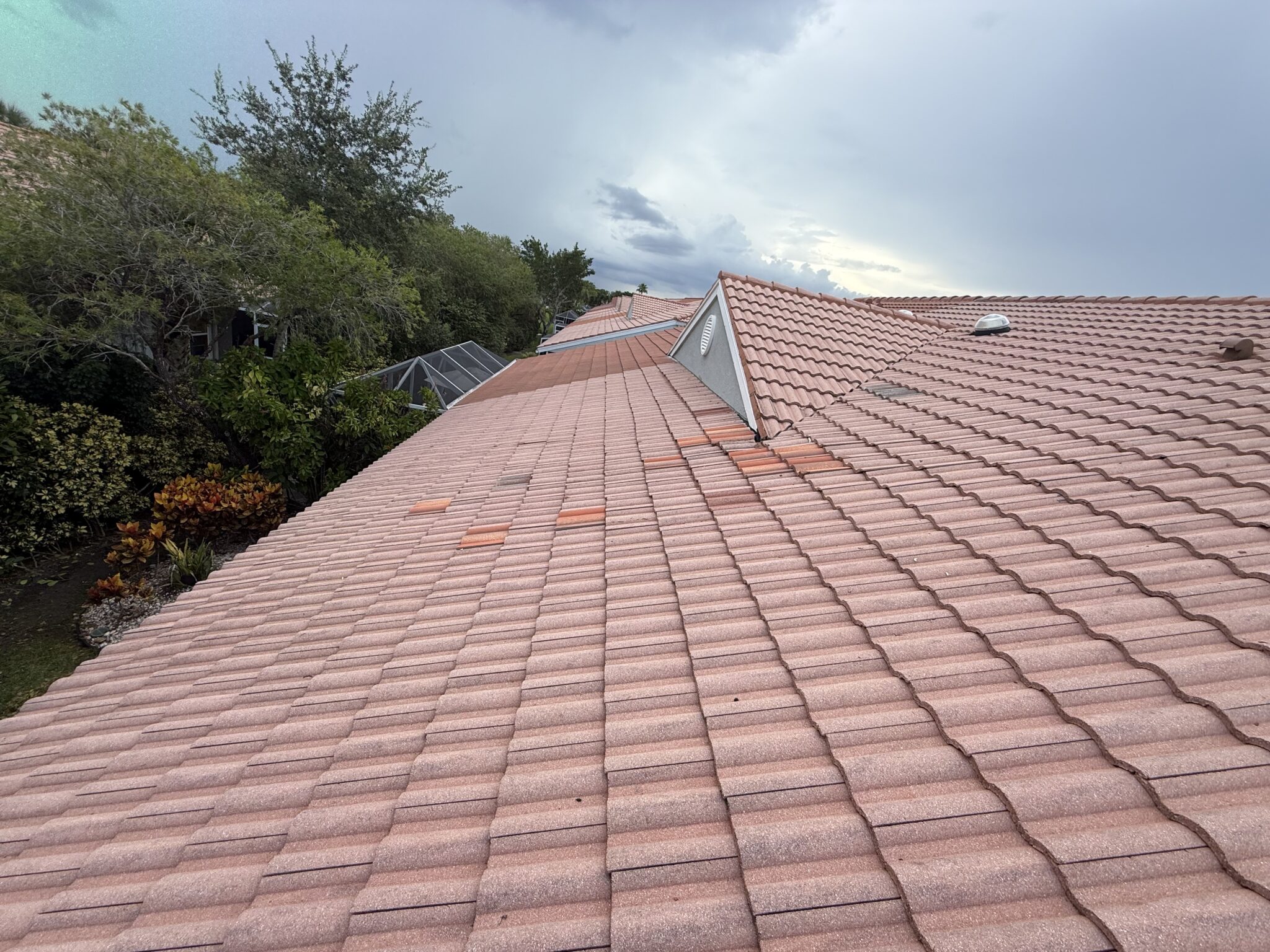
A note on the tile color: the few mismatched tiles in the final photo were already on the roof from the previous repairs — a discontinued profile the homeowner chose to reuse ahead of a planned full replacement. Mike McGilvary Roofing did not supply or install them.
See the full breakdown — why cheap roof repairs fail →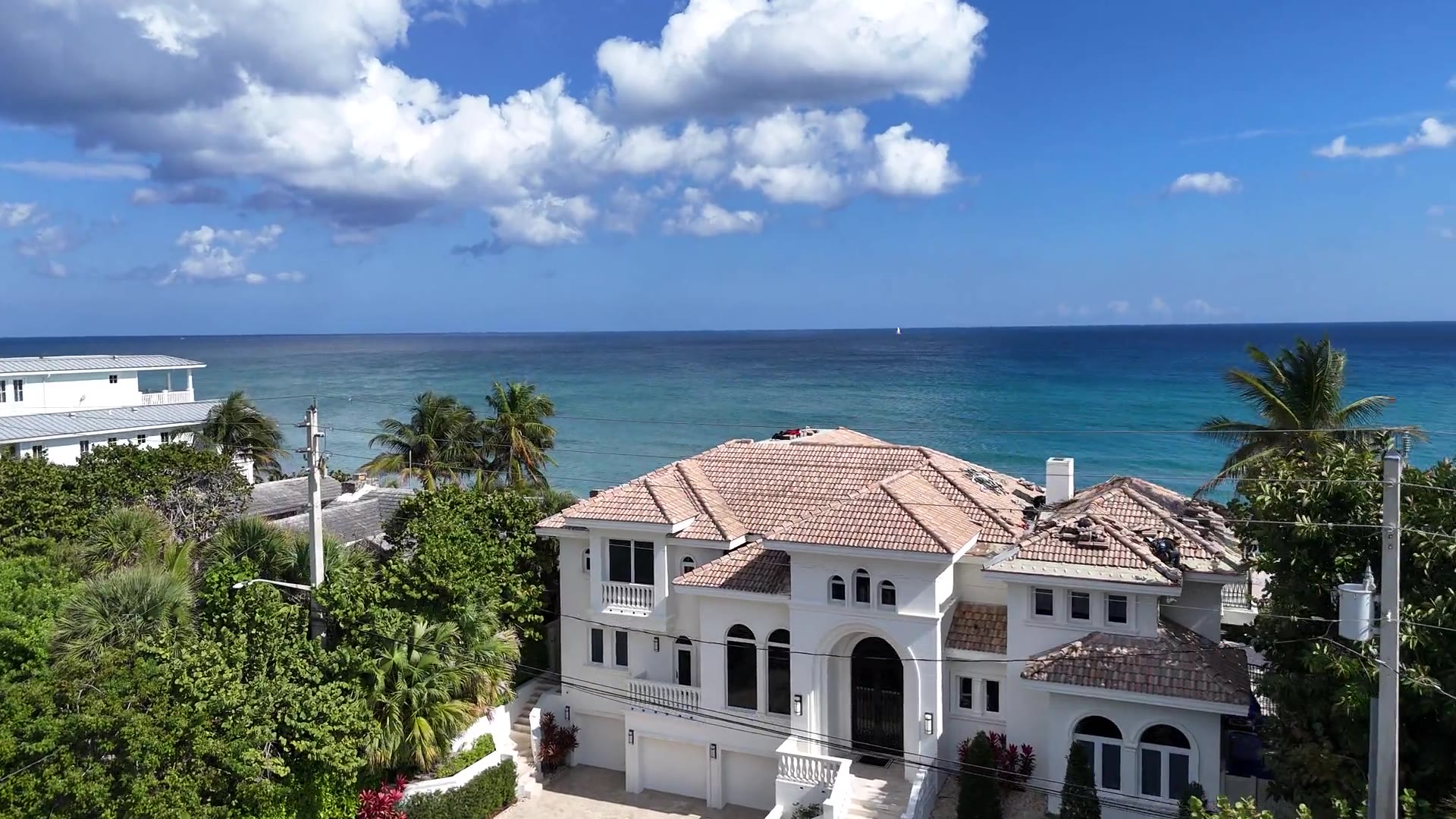
Before you replace a tile roof, let's see what's actually failing.
A free, thermal-imaged inspection and an honest report on whether your tile roof can be preserved — rebuilt and re-laid — or genuinely needs replacing. A McGilvary Family Legacy of Licensed Roofing in Palm Beach County Since 1974.
Send a Message