
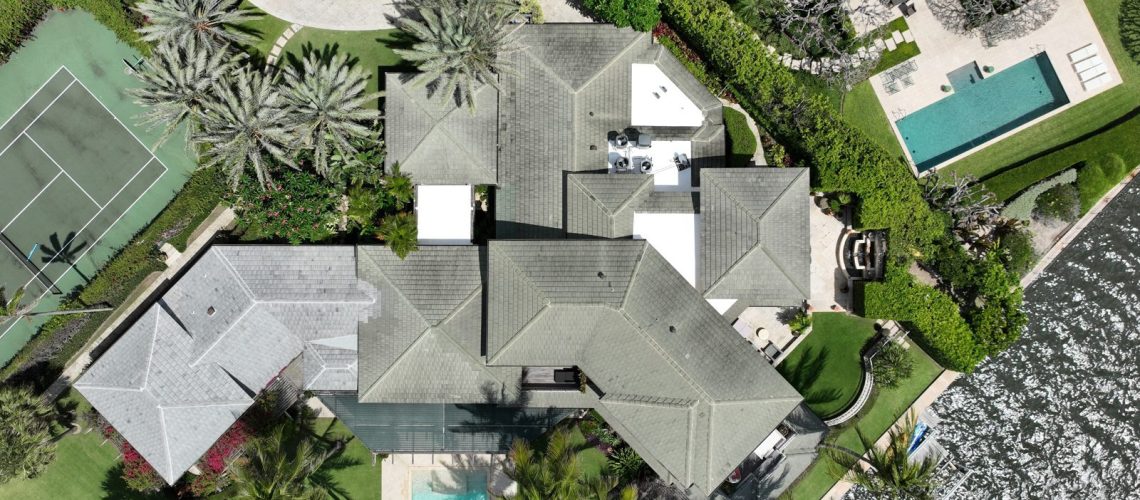
Getting a letter from your insurance company saying your homeowner’s policy is being non-renewed or canceled because of your roof is stressful. For many Florida homeowners, it feels like there is only one option left: replace the entire roof and write a check for tens of thousands of dollars.
Fortunately, that is not always true. In many situations the condition of your roof matters more than its age, and understanding how Florida’s roof-and-insurance rules actually work can save you a great deal of money. This guide walks through what a non-renewal notice really means, what Florida law says, and the repair-first steps that may help you keep the roof you already have.
Why Florida insurers are looking at roofs so closely
Florida sees some of the highest wind, rain, and hurricane exposure in the country. Because the roof is a home’s first line of defense against storm damage, insurers weigh it heavily when deciding whether to write or renew a policy. The factors they commonly consider include:
- Overall roof condition
- Remaining useful life
- Previous repairs and maintenance history
- Visible signs of deterioration
- Prior storm damage
- Roof material and roof age
The single biggest misconception we run into is the belief that once a roof reaches a certain age it automatically must be replaced. Age is one input — but it is not the whole story, and Florida law actually recognizes that.
What Florida law actually says about roof age
Florida Statute 627.7011 limits when an insurer can rely on roof age alone. In plain terms:
- An insurer generally may not refuse to issue or renew a homeowner’s policy on a roof that is less than 15 years old solely because of the roof’s age.
- For a roof that is 15 years or older, the insurer must allow you to have an inspection by an authorized inspector before requiring a full replacement as a condition of coverage. If that inspection shows the roof has 5 or more years of useful life remaining, the insurer may not refuse to issue or renew the policy based on roof age alone.
This is exactly why a professional inspection and a documented assessment of your roof’s remaining useful life can be so valuable. Every insurer also has its own underwriting guidelines, so requirements vary from company to company, and meeting the law’s conditions does not guarantee any particular insurance outcome. For the full picture, see our complete guide to Florida’s roof age law. (Source: Florida Statute 627.7011, flsenate.gov.)
Roof age does not always equal roof condition
One of the most expensive mistakes a homeowner can make is assuming age tells the whole story. We routinely inspect roofs where:
- The valleys have failed while the rest of the roof is still in good shape.
- Flashing around chimneys, walls, and penetrations needs replacement.
- Pipe boots and penetrations have deteriorated.
- A few localized leak areas can be rebuilt.
- The roof has years of service left after targeted repairs.
This is especially common on tile, concrete tile, and clay tile roofs, and on high-end custom homes. Often only a small percentage of the roof actually needs work. If you have an active leak, our roof leak repair team can pinpoint and document the real source rather than condemning the whole roof.
Repair first. Replace only when it is truly necessary.
At Mike McGilvary Roofing, our position is simple: a homeowner should replace a roof only when replacement is genuinely necessary. Many roofs need professional repairs and proper documentation, not a tear-off. Depending on condition, targeted repairs may restore performance and buy years of additional service life — and where appropriate, the roof can be backed by a 5-year roof certification. Every home is different, which is why a professional inspection comes first, every time.
What Mike McGilvary sees every week
I have been on Palm Beach County roofs for decades, and the same scene repeats almost every week. A homeowner calls in a panic after a non-renewal letter, already bracing to spend $35,000 to $75,000 on a full replacement because one or two contractors told them the roof was “too old.” I climb up, and what I usually find is a roof that is fundamentally sound — with a handful of failed valleys, worn flashing, or a section of underlayment that needs attention.
One homeowner in her nineties had been told by two companies that her roof needed a complete $37,000–$39,000 replacement. After a proper inspection, the real fix was a set of targeted repairs, and the roof had years of useful life left. That is not a rare story — it is the norm. The difference is almost always an honest, documented inspection versus a quick “replace it” verdict. You can read more about how we work and why on our about page.
A roofing expert the media turns to
Mike McGilvary is a licensed Florida roofing contractor (CCC1331721) whose repair-first, documentation-driven approach has made him a trusted voice for journalists covering Florida’s roofing and insurance landscape. His work and commentary have been featured in:
- South Florida Sun Sentinel
- South Florida Business Journal
- Orlando Business Journal
- Tampa Bay Business Journal
- Jacksonville Business Journal
- Fine Homes & Living
- Patch
You can see the full collection of features and press coverage on our In the News page.
Real proof: roofs we preserved instead of replaced
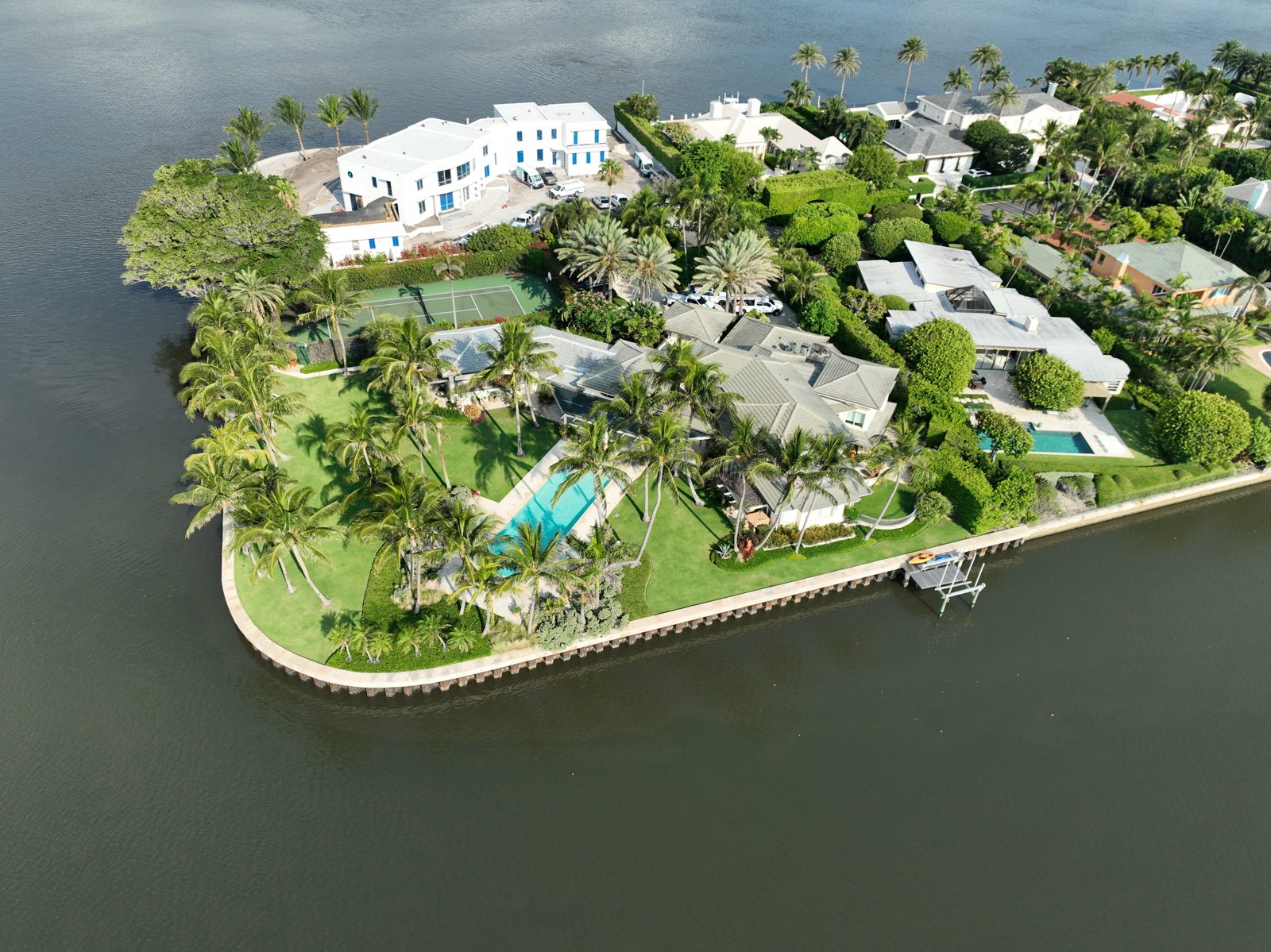
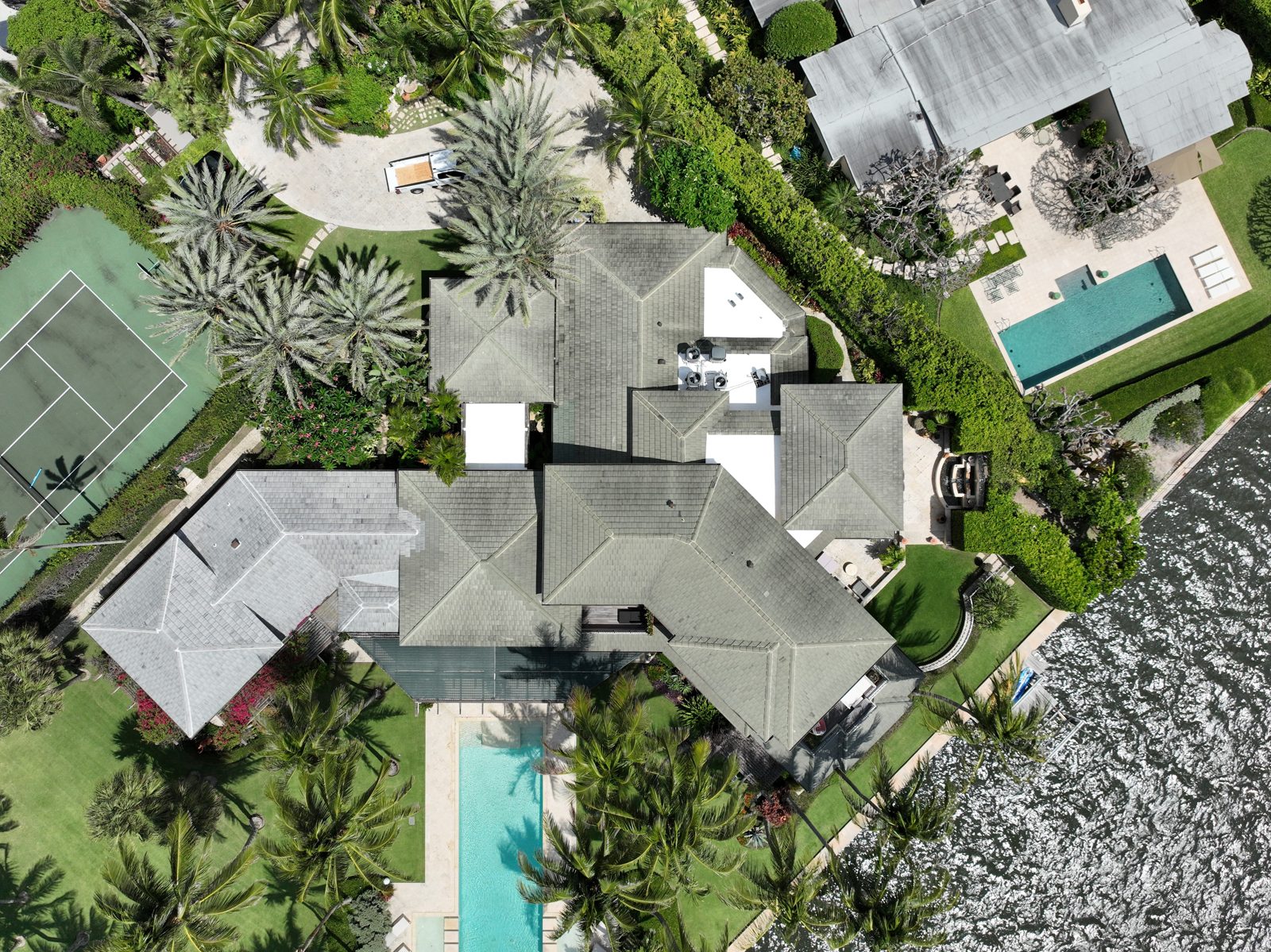
We do not just talk about preservation — we document it. On a $12 million oceanfront home in Highland Beach, the roof was written off by others; our inspection and targeted repairs preserved it and kept the owner from an unnecessary replacement. On a Palm Beach estate along Island Drive, the same approach turned a “replace it” recommendation into a documented, certified, preserved roof.
See the full walkthroughs — inspection findings, the repairs, and the final result — in our case studies, including the Highland Beach and Island Drive projects.
What happens during a professional roof inspection
A thorough inspection evaluates the roof coverings, valleys, flashing, underlayment where accessible, penetrations, fasteners, tile condition, ventilation, signs of water intrusion, and any structural concerns. The goal is to determine the actual condition of the roof — not to rely on its age. We schedule these as free, no-obligation inspections, and we tell you honestly what we find.
Why documentation matters for your insurer
Insurance companies make decisions based on documentation. Professional photographs, a detailed inspection report, repair records, and a properly completed roof certification form all help demonstrate your roof’s current condition. Keeping these organized can make a carrier’s review much smoother — and when it fits your situation, a roof certification used for insurance purposes packages that evidence in a format carriers recognize. Documentation may support a carrier’s review; it does not guarantee any specific insurance result.
Why tile roofs are different
Florida has thousands of tile roofs that remain structurally sound long after isolated problem areas appear. The tile covering itself often lasts decades; more commonly it is the valleys, flashing, or underlayment that need attention before the system as a whole reaches the end of its life. That is the heart of tile roof preservation — and when repairs are needed, our tile roof repair crews match and re-lay tile rather than defaulting to a tear-off. Each roof should be evaluated on its own.
Signs you should schedule an inspection
- You received a non-renewal or cancellation letter.
- Your roof is approaching 15 years old.
- You have an older tile roof.
- You notice ceiling stains or water spots.
- You see cracked or slipped tiles, or missing shingles.
- You recently purchased a home or are changing insurance companies.
Frequently asked questions
Can my insurance company drop me because of my roof?
It depends on the roof’s condition, its age, and the insurer’s underwriting guidelines. Florida law provides protections regarding roof age — an insurer generally cannot refuse coverage on a roof under 15 years old solely because of age, and a 15-year-or-older roof is entitled to an inspection that, if it shows 5+ years of useful life, blocks an age-only refusal. Every situation is unique.
Does an old roof always need replacement?
No. Many roofs only need localized repairs or maintenance, and tile roofs in particular often have years of life left after targeted work.
Is roof age the only thing insurers consider?
No. Condition, remaining useful life, maintenance history, and inspection results all play important roles alongside age.
Should I replace my roof immediately after a non-renewal notice?
Not necessarily. A professional inspection can determine whether repairs, documentation, or replacement is the right next step — often before you commit to a major expense.
Before you spend tens of thousands, get the facts
If you have received an insurance notice about your roof, do not assume replacement is your only option. Our team provides honest inspections, detailed documentation, and repair-first solutions whenever they are appropriate. We will explain your roof’s condition in plain language, walk through your options, and recommend the approach that genuinely fits your situation.
Schedule your free roof inspection with Mike McGilvary Roofing and find out whether your roof truly needs replacement — or whether professional repairs may be enough.