
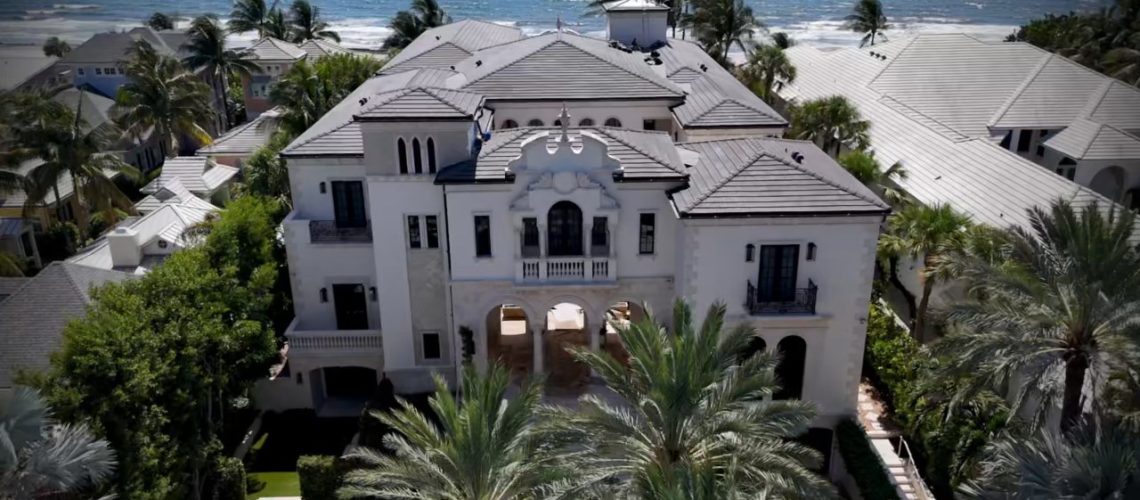
On Palm Beach County’s most valuable properties — the oceanfront estates of Delray Beach, the landmark homes of Palm Beach and Manalapan, the gated residences of Boca Raton and Jupiter Island — the roof is not a line item. It protects custom interiors, irreplaceable finishes, and the long-term integrity of a multi-million-dollar home. Which is exactly why the reflex to replace a high-value roof at the first sign of age so often costs owners far more than it should. At Mike McGilvary Roofing, our approach to these estates is the same one that has defined our family’s work in Palm Beach County since 1974: inspect first, document thoroughly, repair what has actually failed, and preserve a valuable roof system rather than tearing it off.
This is what it looks like to protect an elite roof the right way — and why the highest-value homes in the county are often the ones with the most to gain from a repair-first, condition-based approach.
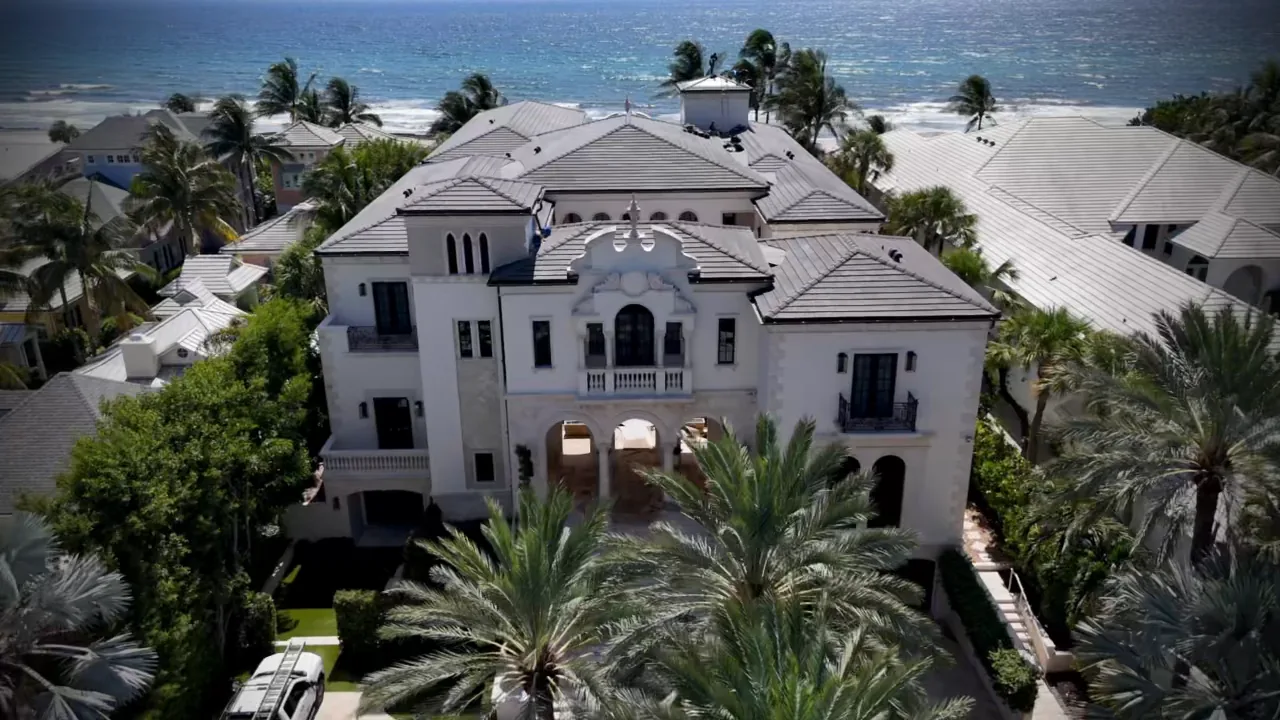
Aerial roof tour · 1:02
Preservation over replacement — on the roofs where it matters most
A high-value tile roof is really two roofs. The tile you see — clay or concrete — is remarkably durable and can last fifty years or more. The waterproofing layer beneath it, the underlayment, is what actually ages out, typically decades before the tile does. On an estate roof, that distinction is worth an enormous amount of money.
When the underlayment fails first — which is the normal order of things — the valuable tile above it is usually still sound. That opens a path most roofing companies never offer: lift and catalog the existing tile, rebuild the waterproofing system underneath, and re-lay the same tile back over it. The homeowner keeps the roof they paid for and solves the problem that was actually causing it, often for tens of thousands of dollars less than a full tear-off and replacement. On a large, architecturally complex estate roof, that gap only grows.
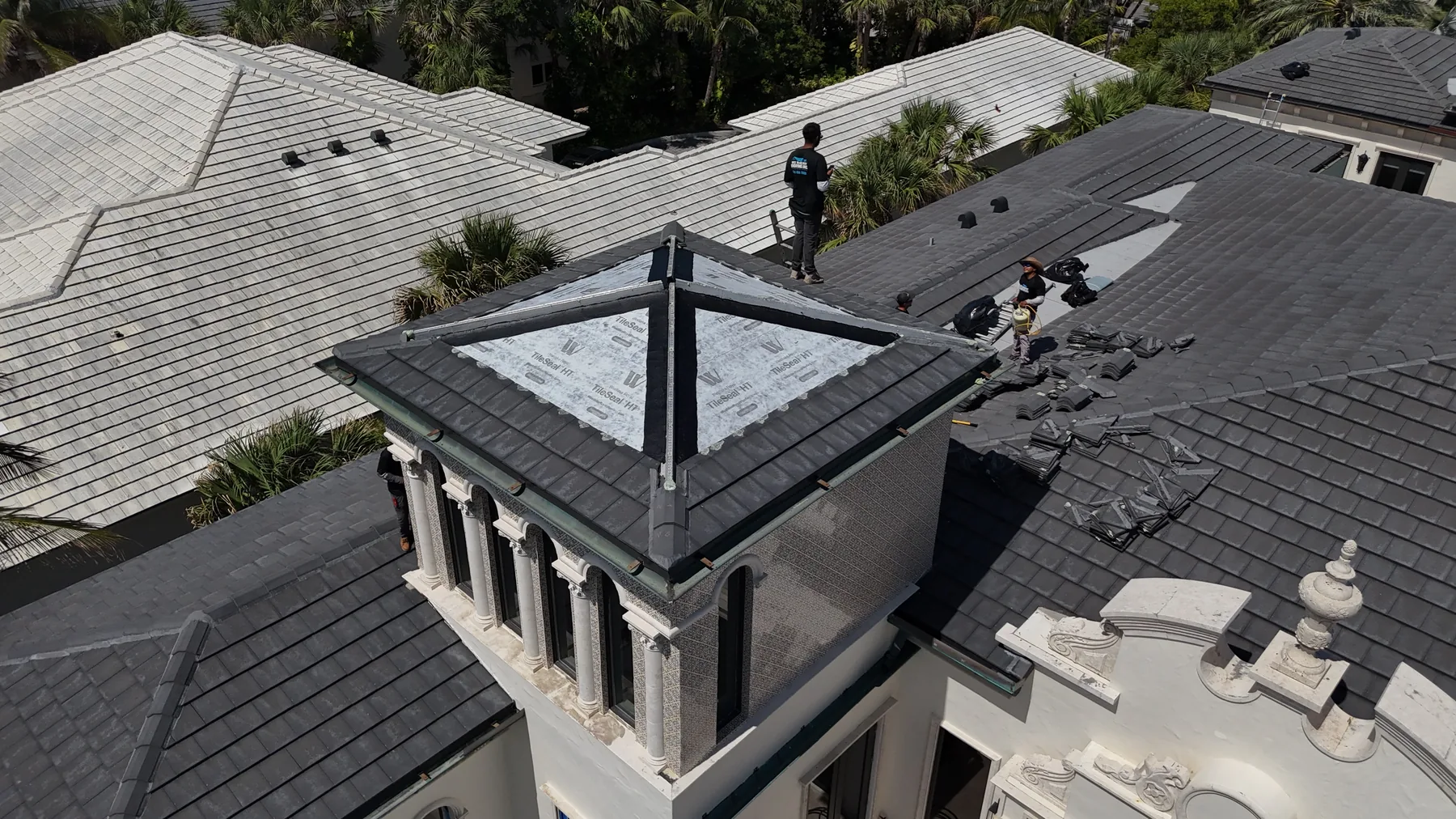
This is the heart of tile roof preservation, and it is the default question we bring to every luxury roof: can this system be preserved rather than replaced? When the answer is yes, targeted tile roof repair and underlayment reconstruction protect both the roof and the home beneath it. When a roof genuinely has reached the end of its service life, we say so — but that is a conclusion we reach from documented condition, not a default we start from. (For how we weigh that call, see roof repair vs. replacement.)
Certification and remaining useful life: the documented proof high-value roofs need
On elite properties, a roof’s condition rarely stays a private matter. Insurers underwrite it. Buyers and their lenders scrutinize it. HOAs and property managers track it. Sellers have to prove it. What every one of those parties actually wants is not an opinion — it is documentation.
That is what a roof certification from Mike McGilvary Roofing provides: a signed, evidence-based determination of a roof’s condition and its remaining useful life — how many years of sound service the roof has left. It follows a comprehensive inspection, thorough photo and drone documentation, and an honest assessment of what we found. It is evidence, not a sales pitch.
Remaining useful life matters because Florida’s insurance framework is built around it. Under Florida’s roof-age law (Florida Statute §627.7011), a roof fifteen years or older generally must be given the chance to be inspected before replacement can be required for coverage — and where that inspection documents at least five years of remaining useful life, coverage generally cannot be refused on age alone. On a high-value home, a documented five-plus-year certification can be the difference between keeping a sound roof insured and being pushed into a replacement no one needed. When the certification is being used to support an insurance conversation or a sale, we tailor it accordingly — see roof certification for insurance and roof certification for real estate.
Condition over age — the standard Florida’s own rules point toward
The single most expensive mistake made on valuable roofs is treating roof age as if it were roof condition. They are not the same thing, and Florida’s own rules increasingly recognize the difference.
The insurance rule described above turns on documented condition and remaining useful life, not a birthdate on a permit. And on the construction side, the Florida Building Code’s 25% roof provision — long read to require a full code upgrade once a quarter of a roof is worked on — was softened by Senate Bill 4-D in 2022 (Section 553.844(5), Florida Statutes): for roofing built to the 2007 Florida Building Code or later, only the repaired portion must meet current code. In other words, the law itself now leaves more room to repair a sound estate roof rather than replace it wholesale. Whether that applies to a given roof is, again, a documentation-and-condition question — which is why we lead with an inspection, not an estimate.
Why detailed documentation is the real asset
On an ordinary home, roof documentation is useful. On a high-value estate, it is often the single most valuable thing we produce — because so many people rely on it. Thorough photo and drone documentation of a roof’s condition gives every party in the picture something concrete to work from:
- Buyers and sellers get a written record of condition and remaining useful life, so a transaction turns on facts rather than a nervous guess about roof age.
- Realtors can advise from a documented condition report instead of fielding “how old is the roof?” with no way to answer it well.
- HOAs and property managers get an auditable record for reserve planning, board decisions, and owner communications across the properties they steward.
- Insurance conversations are grounded in evidence of the roof’s actual condition — the record a carrier’s underwriting process is looking for — recognizing that coverage decisions ultimately rest with the carrier.
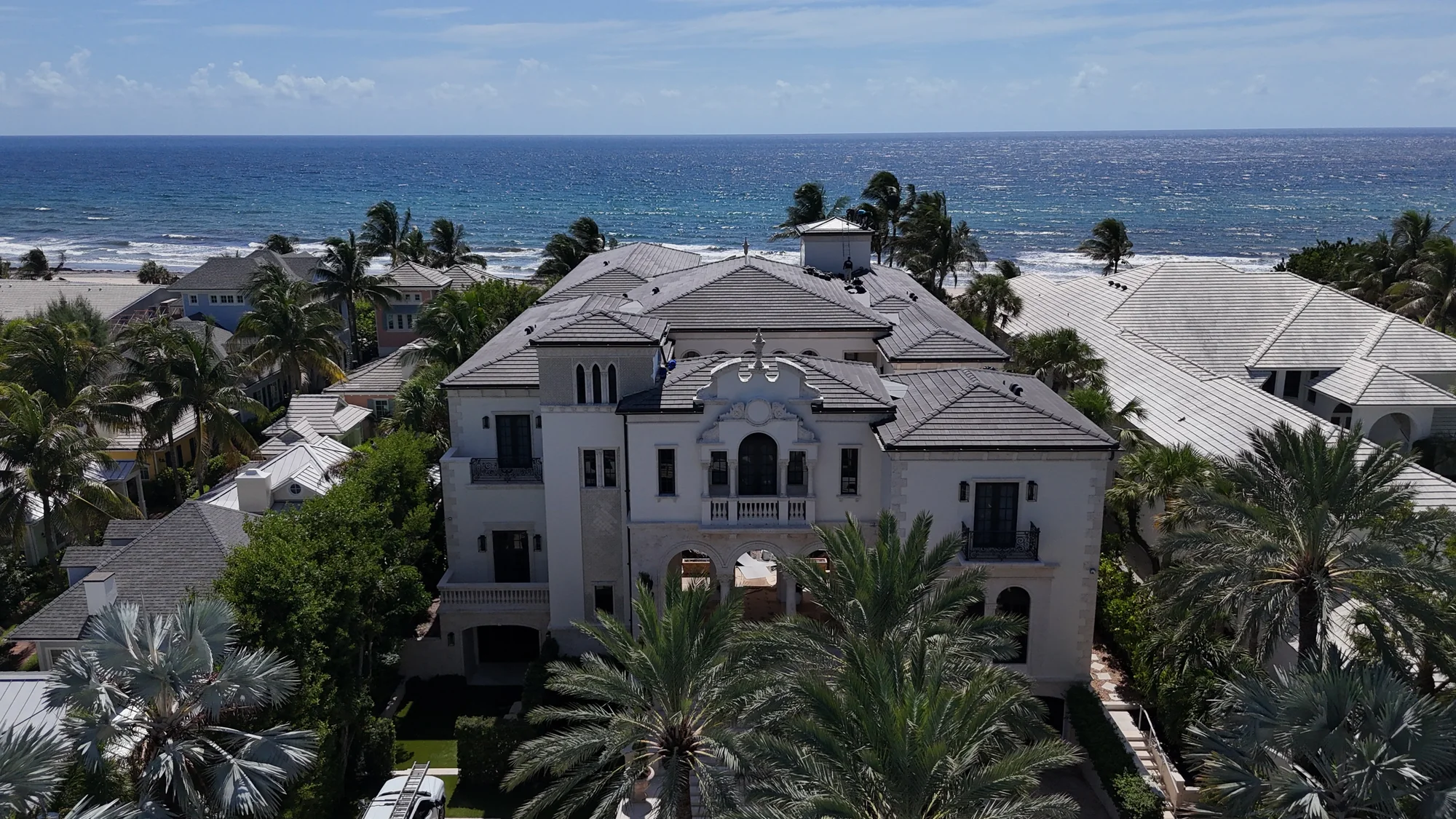
The estate in the video is a case in point: every stage — the inspection, the exposed underlayment, the numbered tiles staged for reinstallation, the finished roof against the Atlantic — was photographed and documented, then bound into a certification the owner can hand to anyone who needs it.
From Delray Beach to the whole of Palm Beach County’s luxury coast
Delray Beach is where this particular roof stands, but the approach travels the length of the county’s highest-value markets. The same repair-first, documentation-driven standard protects landmark and estate roofs in Palm Beach, Boca Raton, Highland Beach, Manalapan, Gulf Stream, Ocean Ridge, and Jupiter Island — and the coastal and country-club communities around them, where salt air, wind exposure, and complex tile architecture make a thoughtful, condition-based evaluation worth far more than a reflexive tear-off.
Whether it is an oceanfront residence facing the full force of the Atlantic or a gated estate set back on the Intracoastal, the questions are the same: What has actually failed? Can the valuable roof system be preserved? And what does the documented condition — not the calendar — say the roof needs? You can see how that plays out across our documented Palm Beach County projects in the case studies, or on our Delray Beach roofing page.
Important note. This article is general educational information and is not legal, insurance, or code-compliance advice. Statute and building-code references are summarized from public sources as of publication and can change; specific application depends on your local building department and your insurance carrier. Whether any particular roof can be repaired, preserved, certified, or must be replaced depends on its actual condition as determined by inspection. Documentation may support insurance, real-estate, HOA, and maintenance decisions but is not a guarantee of any insurance or coverage outcome; those decisions rest with your carrier and the relevant authorities. Reviewed by Mike McGilvary, Florida Certified Roofing Contractor, license CCC1331721.
Frequently Asked Questions
Why repair or preserve a luxury tile roof instead of replacing it?
On a high-value tile roof, the tile itself — clay or concrete — can last fifty years or more, while the waterproofing underlayment beneath it typically fails much sooner. When the underlayment is the problem and the tile is still sound, the tile can be lifted, the waterproofing system rebuilt, and the same tile re-laid, preserving the valuable roof for often tens of thousands of dollars less than a full replacement. Replacement is recommended only when the roof’s documented condition genuinely calls for it.
What does a roof certification prove for a high-value home?
A roof certification is a signed, evidence-based determination of a roof’s condition and its remaining useful life, produced after a comprehensive inspection and thorough photo and drone documentation. On an estate, it gives insurers, buyers, lenders, HOAs, and property managers a documented record of the roof’s actual condition rather than an assumption based on its age. It is evidence, not a sales pitch, and it does not by itself guarantee any insurance outcome.
How does Florida’s roof-age law treat older estate roofs?
Under Florida Statute 627.7011, a roof less than fifteen years old generally cannot be refused coverage solely because of its age. For a roof fifteen years or older, the homeowner must be given the opportunity to have it inspected before replacement can be required as a condition of coverage, and if the inspection documents at least five years of remaining useful life, coverage generally cannot be refused on age alone. The rule turns on documented condition, not a birthdate, and coverage decisions still rest with the carrier.
Does repairing part of an estate roof trigger a full code upgrade?
The Florida Building Code’s 25% provision long provided that once 25 percent or more of a roof or roof section is worked on within a 12-month period, that system may have to meet current code. Senate Bill 4-D in 2022 (Section 553.844(5), Florida Statutes) added an exception: for roofing built to the 2007 Florida Building Code or a later edition, only the repaired portion must meet current code. Whether the exception applies depends on the roof’s construction and permit history, which is a documentation question best answered before work begins.
Which Palm Beach County luxury communities does Mike McGilvary Roofing serve?
Mike McGilvary Roofing serves high-value homes and estates throughout Palm Beach County, including Delray Beach, Palm Beach, Boca Raton, Highland Beach, Manalapan, Gulf Stream, Ocean Ridge, and Jupiter Island, along with the surrounding coastal and country-club communities. The same repair-first, condition-based, documentation-driven standard applies across all of them.
Why does detailed roof documentation matter so much on high-value properties?
Because so many parties rely on it. Detailed photo and drone documentation of a roof’s condition gives buyers, sellers, Realtors, HOAs, property managers, and insurance conversations a concrete, auditable record to work from — grounding decisions in the roof’s actual condition and remaining useful life rather than its age. On an estate, that documented record is frequently the most valuable deliverable of the entire project.
About Mike McGilvary Roofing
Mike McGilvary Roofing serves Palm Beach County and surrounding South Florida with a repair-first philosophy focused on tile roof preservation, tile roof repair, roof certifications, leak investigations, and condition-based roofing decisions. Rather than recommending replacement solely because of a roof’s age, the company emphasizes thorough inspections, quality repairs, and responsible documentation to help homeowners — including the owners of the county’s highest-value estates — maximize the safe service life of their roofing systems. Explore Florida’s Roof Age Law, read the Delray Beach oceanfront estate case study, browse our documented case studies, or visit our resource center.