
Florida’s next building code takes effect on December 31, 2026. At the same time, insurers are filing rate changes and Citizens policies are moving to private carriers. For Palm Beach County homeowners, the practical question is simple: what do these changes mean for your roof, and what should you do before the end of the year?
- The 9th Edition (2026) Florida Building Code takes effect December 31, 2026. Work permitted before that date is generally governed by the current code.
- Homes within 3,000 feet of the coastal shoreline face new corrosion-resistance requirements for roofing nails, screws and clips.
- Tile roofs get specific new requirements for flashing, drip edge and fastener penetration.
- Under Florida Statute §627.7011, roof age has a specific legal definition, quoted below.
- A documented inspection now tells you where your roof stands before the code changes and before your next renewal.
The new code takes effect December 31, 2026
The 9th Edition (2026) Florida Building Code takes effect on December 31, 2026. According to Jimerson Birr, projects permitted before the effective date are generally governed by the current 8th Edition, and projects permitted after it must comply with the 9th. Work that is planned now but permitted in January may fall under different rules than you expect.
The code is not completely settled yet. The Florida Building Commission’s second 45-day public comment period on proposed “glitch” changes to the 2026 code ends October 8, 2026 (Florida Building Commission). Those changes are proposed, not final.
Waterfront and coastal homes: corrosion-resistant fasteners
The new code adds corrosion-resistance requirements for roofing nails, screws and clips on structures within 3,000 feet of the coastal shoreline, with additional requirements within 300 feet (FRSA). FRSA notes that many galvanized fasteners sold for use farther inland may not meet these requirements.
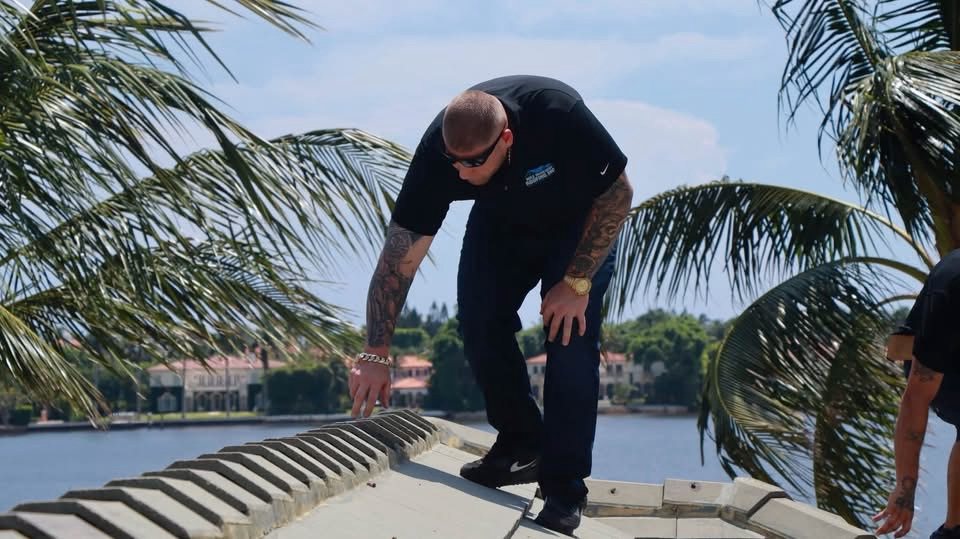
For waterfront, Intracoastal and barrier-island homes in Palm Beach County, that makes the fastener specification part of the conversation on any reroof or major repair permitted under the new code. Ask your contractor which fasteners they will use and whether they meet the coastal requirements for your home’s distance from the shoreline.
Tile roofs: flashing, drip edge and fasteners
FRSA’s summary of the tile changes in the 2026 code highlights three requirements:
- Flashing must be installed in accordance with the manufacturer’s installation instructions or the recommendations of the FRSA/TRI Florida High Wind Concrete and Clay Roof Tile Installation Manual, Seventh Edition.
- Drip edge is required at eaves and gables of steep-slope roofs (2:12 and above).
- Tile fasteners must be long enough to penetrate through the roof sheathing, or not less than 3/4 inch into it.
On a tile roof, these details sit where leaks usually start: at valleys, edges and penetrations. Our tile roof repair work starts by inspecting exactly those areas.
Reroofing and the 25% rule
The new code adds language on when an existing roof must come off. FRSA’s summary of changes in the 2026 code describes two provisions in Section 706.3:
- Where two roof coverings exist and the upper one is removed, an existing or repaired substrate that is still adequate, such as insulation or lightweight insulating concrete, can stay in place.
- Where the existing roof assembly includes a vapor barrier or self-adhering membrane adhered to the roof deck, that membrane may remain in place and be covered with an additional layer of membrane.
Separately, Florida’s 25% rule has an exception for newer roofs. As Jimerson Birr explains, a roof built under the 2007 code or later (generally, permitted on or after March 1, 2009) does not have to be entirely replaced just because 25 percent or more of it is being repaired; only the repaired or replaced portion must meet the current code. Older roofs do not get that exception. See our repair vs. replacement guide for how we decide which a roof needs.
How Florida law defines roof age
Florida Statute §627.7011 defines how a roof’s age is calculated. We quote it here rather than paraphrase it. Section 627.7011(5)(d):
“For purposes of this subsection, a roof’s age shall be calculated using the last date on which 100 percent of the roof’s surface area was built or replaced in accordance with the building code in effect at that time or the initial date of a partial roof replacement when subsequent partial roof builds or replacements were completed that resulted in 100 percent of the roof’s surface area being built or replaced.”
For roofs 15 years and older, section 627.7011(5)(c) provides:
“For a roof that is at least 15 years old, an insurer must allow a homeowner to have a roof inspection performed by an authorized inspector at the homeowner’s expense before requiring the replacement of the roof of a residential structure as a condition of issuing or renewing a homeowner’s insurance policy.”
Read the full statute and our Florida Roof Age Law guide, including its 2026 update: what changed and what didn’t.
Rate filings and Citizens takeouts
On September 22, 2026, Florida’s Office of Insurance Regulation announced approved homeowners rate decreases affecting more than 62,000 policies (Florida OIR):
| Carrier | Approved change | Policies |
|---|---|---|
| One Alliance North America | -10.4% | 17,148 |
| Safe Harbor | -4.1% | 10,501 |
| Unique | -3.2% | 8,266 |
| Vyrd | -10.4% | 26,751 |
OIR has also approved three take-out companies for Citizens policies: Praxis Reciprocal Exchange, Southern Oak Insurance Company and American Integrity Insurance Company, with an assumption date of October 20, 2026. Southern Oak and American Integrity also have assumption dates of November 17 and December 15, 2026 (Florida OIR).
None of these filings change the roof-age provisions of §627.7011 quoted above. Questions about a rate change or a takeout offer belong with your insurance agent or carrier.
Mike McGilvary Roofing is a licensed roofing contractor, not a public adjuster. We document roof condition and the repair scope the roof requires; we do not interpret policies, advise on coverage, or adjust claims.
What to do before December 31
A documented inspection tells you where your roof stands now, before the code changes and before your next renewal. Our free roof inspections include dated photos, written condition findings and the repair scope the roof actually requires. If repairs are needed and you want them permitted under the current code, schedule early: permits filed in January fall under the new one.
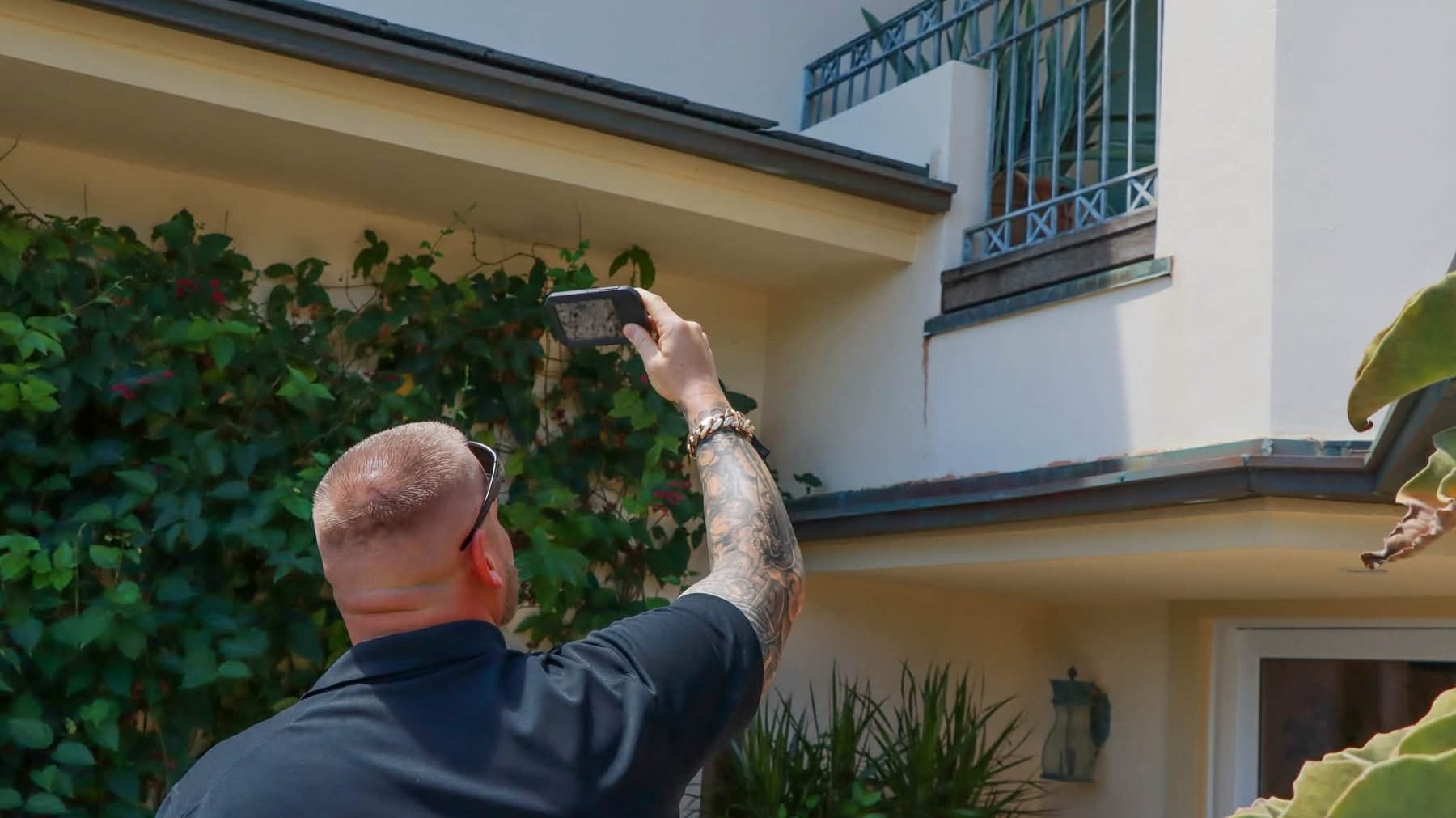
When a roof qualifies, a 5-Year Roof Certification documents its condition in writing: a signed, licensed contractor’s written opinion, based on a limited visual inspection of accessible roofing components, that a roof is structurally sound and expected to provide useful service for a period exceeding five years. It is not a warranty.
Frequently Asked Questions
When does the 2026 Florida Building Code take effect?
December 31, 2026. Projects permitted before that date are generally governed by the current 8th Edition; projects permitted after it must comply with the 9th Edition.
What is the 25% roof replacement rule in Florida?
For older roofs, repairing 25 percent or more of the roof can require full replacement. Roofs built under the 2007 code or later (generally permitted on or after March 1, 2009) are exempt: only the repaired or replaced portion must meet the current code.
Does the new code affect waterfront homes differently?
Yes. Homes within 3,000 feet of the coastal shoreline face new corrosion-resistance requirements for roofing nails, screws and clips, with additional requirements within 300 feet.
How is a roof’s age calculated under Florida law?
Section 627.7011(5)(d) calculates it from the last date on which 100 percent of the roof’s surface area was built or replaced, or from the initial date of a partial replacement when later partial work together replaced 100 percent of the roof. The exact wording is quoted above.
Schedule a Documented Roof Inspection
Florida Certified Roofing Contractor CCC1331721 (license active since 2018; the McGilvary family has been licensed roofing contractors in Palm Beach County since 1974).
Sources: FRSA, “Changes in the 2026 9th Edition of the Florida Building Code” (Feb 2, 2026), “Tile Changes in the 2026 Ninth Edition Florida Building Code” (Apr 8, 2026) and “A Roofing Perspective on the New FBC Corrosion Resistance Requirements” (Aug 24, 2026); Florida Building Commission, 2026 Code Development; Jimerson Birr, “Florida Building Code Tightens Up: New Wind-Resistance Rules for Roofing” (June 17, 2026); Florida Statute §627.7011; Florida OIR (Sept 22, 2026 release; Take-Out Companies).
This article provides general educational information about Florida roof law, insurance review, and roof condition documentation. It is not legal advice, insurance advice, or a guarantee of insurance approval, renewal, or carrier acceptance. Homeowners should consult their insurance agent, carrier, or attorney for policy-specific questions.