
Florida homeowners may be hearing that projects under $7,500 no longer require permits. While there is some truth behind that statement, it can also be misleading — especially when it comes to roofing.
Effective July 1, 2026, Florida’s HB 803 changed portions of the state’s building-permit process, permit timelines, and certain permit exemptions for minor residential work. However, these changes should not be interpreted to mean that all roof repairs under $7,500 are automatically exempt from permitting.
Roofing Is Different
Many roof repairs involve structural components, roof decking, soffits, fascia, flashing, or work located within regulated flood hazard areas. Local building departments may still require permits depending on the scope of work and municipal requirements.
That is why experienced roofing contractors never assume a permit is — or is not — required based solely on the dollar amount of the repair. Instead, the correct approach is to evaluate:
- The actual scope of work
- Whether structural components are involved
- Local municipal requirements
- Flood-zone regulations
- Applicable sections of the Florida Building Code
Why Proper Documentation Matters
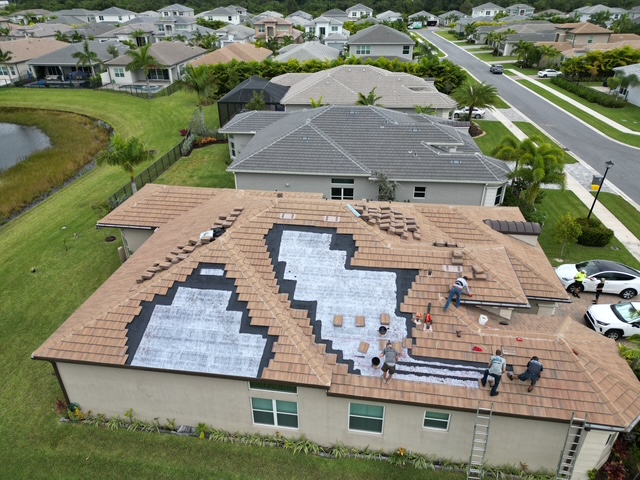
Permits are only one part of protecting a homeowner. Today’s insurance environment increasingly focuses on documentation, roof condition, maintenance history, and remaining useful life — not simply roof age.
Professional documentation may include:
- Detailed roof inspections
- Before-and-after photographs
- Repair records
- Roof condition reports
- Wind mitigation documentation when appropriate
- Remaining-useful-life evaluations where applicable
These records help homeowners better understand their roof’s condition and may be valuable when discussing maintenance, future inspections, or insurance questions. They may also support the kind of condition-based review insurers increasingly ask for — though documentation is never a guarantee of any insurance outcome.
Repair First — Replace Only When Necessary
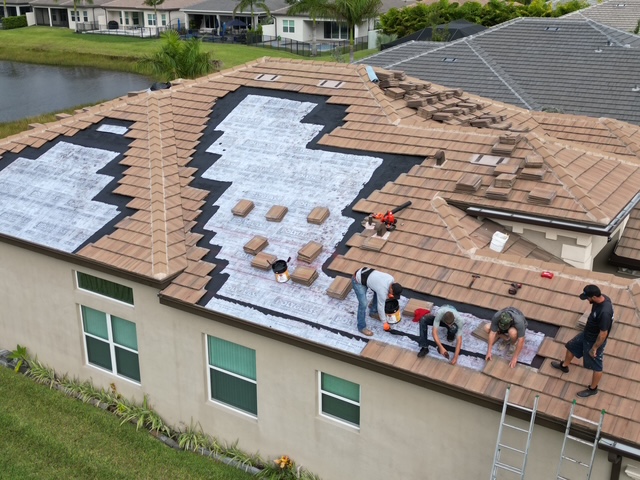
One of the biggest misconceptions in today’s roofing industry is that every aging roof requires complete replacement. In many cases, targeted repairs performed correctly can safely extend the service life of an otherwise functional roofing system.
Tile roofs, in particular, often experience isolated failures while much of the remaining roof continues to have substantial useful life. Evaluating the actual condition of the roof — not simply its age — allows homeowners to make informed decisions instead of automatically pursuing full replacement.
The Bottom Line
Florida’s HB 803 introduced important permitting changes, but homeowners should avoid assuming that every roof repair under $7,500 is exempt from permitting requirements. Every project should be evaluated individually, local building requirements should be confirmed, and repairs should be properly documented.
Working with a knowledgeable roofing contractor helps ensure repairs are performed correctly, documentation is maintained, and homeowners receive guidance based on the actual condition of their roof — not assumptions.
Frequently Asked Questions
Do I need a permit for a roof repair under $7,500 in Florida after HB 803?
Not necessarily — and you should not assume you don’t. HB 803 exempts certain minor residential work under $7,500, but the exemption generally does not apply to structural work or to properties in a flood hazard area, and many roof repairs involve structural components or regulated conditions. Whether a permit is required depends on the scope of work and your local building department, so it should be confirmed for each project.
What did Florida HB 803 actually change?
Effective July 1, 2026, HB 803 modified portions of Florida’s building-permit process, permit timelines, and certain permit exemptions for minor residential work valued under $7,500. It does not automatically exempt all roof repairs, and it excludes structural work and work in flood hazard areas.
Does a roof repair still need documentation if no permit is required?
Yes. Even when a permit isn’t required, professional documentation — inspection reports, before-and-after photos, repair records, and remaining-useful-life findings — helps homeowners understand their roof’s condition and may be useful for maintenance planning and insurance questions. Documentation is not a guarantee of any insurance outcome.
Does an older roof always need to be replaced?
No. Many roofs — tile roofs in particular — experience isolated failures while much of the system still has substantial useful life. Evaluating the roof’s actual condition, not just its age, often allows targeted repairs instead of a full replacement.
Important note: This article is general information about Florida’s HB 803 and roofing permits — not legal, permitting, or insurance advice. Permit requirements vary by municipality and by the specific scope of work; confirm your project’s requirements with your local building department, and review the official bill text at the Florida Legislature. Documentation may support insurance and maintenance decisions but is not a guarantee of any insurance outcome; coverage decisions rest with your carrier.
About Mike McGilvary Roofing
Mike McGilvary Roofing serves Palm Beach County and surrounding South Florida communities with a repair-first philosophy focused on roof preservation, tile roof repairs, roof certifications, leak investigations, and condition-based roofing decisions. Rather than recommending replacement solely because of roof age, the company emphasizes thorough inspections, quality repairs, and responsible documentation to help homeowners maximize the safe service life of their roofing systems. Learn more about Florida’s Roof Age Law or explore our resource center.