Many Florida homeowners hear the terms Actual Cash Value (ACV) and depreciation during an insurance claim without fully understanding what they mean. Unfortunately, many also assume depreciation is based only on the roof’s age.
In reality, experienced roofing contractors know that the documented condition of a roof often tells a much more accurate story than its date of installation alone. Understanding how ACV and roof depreciation work in Florida — and why condition documentation matters — can help you make better decisions about your roof and your coverage.
What Is ACV?
Actual Cash Value (ACV) generally represents the estimated value of a roof after accounting for depreciation due to age, wear, condition, and remaining useful life.
While age is one factor, it is not the only factor. Roofs of the same age can be in dramatically different condition depending on:
- Previous maintenance
- Quality of original installation
- Storm exposure
- Ventilation
- Drainage
- Repairs performed over the years
- Overall remaining useful life
This is why documentation matters.
Why Condition Matters More Than Assumptions
As roofing contractors, we regularly inspect roofs that are over twenty years old and discover they are in far better condition than expected because they have been properly maintained.
We also inspect much newer roofs that have significant deterioration caused by poor drainage, improper installation, chronic leaks, or neglected maintenance.
Two roofs built the same year may have completely different remaining service lives. That’s why a professional roof inspection should focus on actual field conditions — not assumptions based solely on age.
Documentation Creates Better Decisions
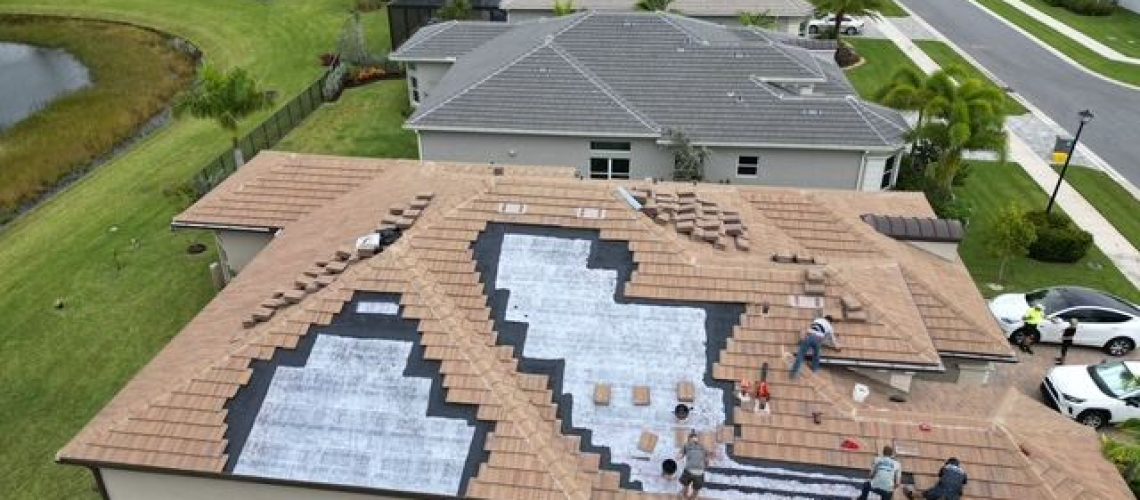
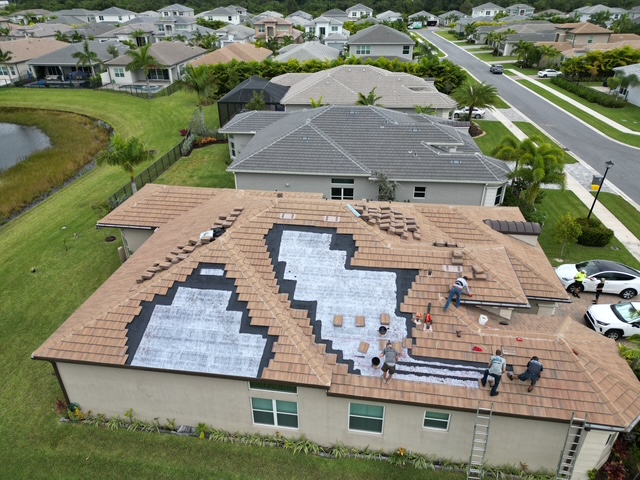
Professional roof condition documentation provides objective information that can help homeowners better understand the true condition of their roofing system. A thorough inspection may include:
- High-resolution roof photography
- Drone documentation
- Moisture investigation where appropriate
- Identification of active deficiencies
- Documentation of previous repairs
- Remaining-useful-life observations
- Areas requiring maintenance
- Areas requiring rebuilding
- Overall roof condition
This creates a factual record of the roof’s current condition — the same kind of evidence behind a 5-Year Roof Certification, and the kind of proof you can see in our case studies.
Why Roof Preservation Matters
Not every roofing issue requires complete replacement. Many roofs simply need targeted structural repairs in isolated areas while the remainder of the roofing system continues performing properly.
Repairing damaged sections before deterioration spreads often helps homeowners:
- Extend roof service life
- Prevent additional structural damage
- Preserve roofing investments
- Better understand future maintenance needs
- Maintain detailed inspection records over time
This repair-first approach focuses on preserving roofs whenever practical rather than recommending replacement as the first option.
Annual Documentation Builds a Stronger History
One inspection provides valuable information. Annual inspections create something even more valuable — a documented history of the roof’s condition over time. Consistent documentation allows homeowners to demonstrate:
- Regular maintenance
- Repairs performed
- Condition changes
- Areas previously addressed
- Ongoing roof preservation efforts
This historical record provides a much clearer understanding of how the roof has performed over the years — and it complements your rights under Florida’s Roof Age Law, where documented condition and remaining useful life can matter more than age alone.
Education Helps Homeowners Make Better Decisions
Roofing decisions should be based on evidence. Professional documentation gives homeowners the information they need to understand their roof’s actual condition, prioritize repairs, budget for future maintenance, and make informed decisions about preserving one of the most important components of their home.
Every roof deserves to be evaluated on its actual condition — not assumptions. For more on roof age, condition, certifications, and Florida roof insurance, explore our Roof Age Law resource center.
Frequently Asked Questions
What is ACV (Actual Cash Value) on a Florida roof?
Actual Cash Value is generally the estimated value of a roof after depreciation for age, wear, condition, and remaining useful life. Age is one factor, but not the only one — documented condition often tells a more accurate story than the install date alone.
Is roof depreciation based only on age in Florida?
No. Two roofs of the same age can be in dramatically different condition depending on maintenance, installation quality, storm exposure, drainage, and repairs over the years. Documented condition and remaining useful life give a fuller picture than age alone.
How can roof condition documentation help with a Florida insurance claim?
Professional documentation — high-resolution photos, drone imagery, moisture investigation, and remaining-useful-life observations — creates an objective record of a roof’s actual condition. That record helps homeowners understand their roof and may be useful in insurance discussions, though it is not a guarantee of any claim or coverage outcome.
What is remaining useful life, and why does it matter for ACV?
Remaining useful life is an estimate of how many years a roof can continue to perform. Because ACV and depreciation reflect condition and remaining life — not just age — a documented remaining-useful-life finding can present a more accurate picture of a roof’s value than its age alone.
Important note: This article is general educational information about roofing, ACV, depreciation, and condition documentation — not legal or insurance advice. How an insurer calculates ACV, depreciation, or any claim is determined by your policy and your carrier. Documentation may help you understand your roof, but it is not a guarantee of any coverage or claim outcome. Please consult your insurer or a licensed professional about your specific situation.
About Mike McGilvary Roofing
Mike McGilvary Roofing specializes in roof preservation, leak diagnostics, roof certifications, remaining useful life evaluations, and structural roof repairs throughout Palm Beach County and South Florida.
Our philosophy is simple: evaluate the roof’s actual condition, document the findings thoroughly, repair what can responsibly be preserved, and help homeowners make informed long-term decisions based on documented evidence.