
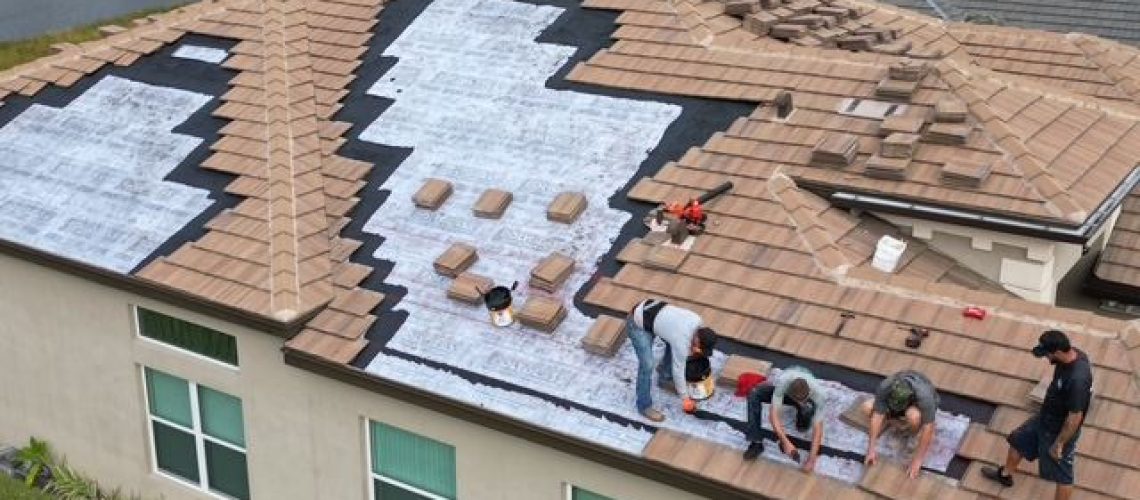
Your tile roof represents one of the most durable roofing systems available in South Florida—capable of lasting 50+ years when properly maintained. Yet most Boca Raton homeowners only think about their roof when water stains appear on the ceiling. By that point, what could have been a simple $800 repair often becomes a $5,000 problem requiring extensive underlayment replacement.
The reality is that tile roof leaks rarely happen overnight. They develop gradually through predictable patterns of deterioration that proactive maintenance can prevent entirely. Drawing on five decades of McGilvary family roofing in Palm Beach County since 1974, Mike McGilvary Roofing has identified the exact maintenance strategies that keep tile roofs leak-free for decades—and the common oversights that lead to expensive emergency repairs.
This guide shares five essential tile roof maintenance practices specifically designed for Boca Raton’s unique challenges, from salt air exposure in coastal communities to the extreme thermal cycling that degrades underlayment and flashing systems.
Understanding Why Tile Roofs Leak (It’s Not the Tiles)
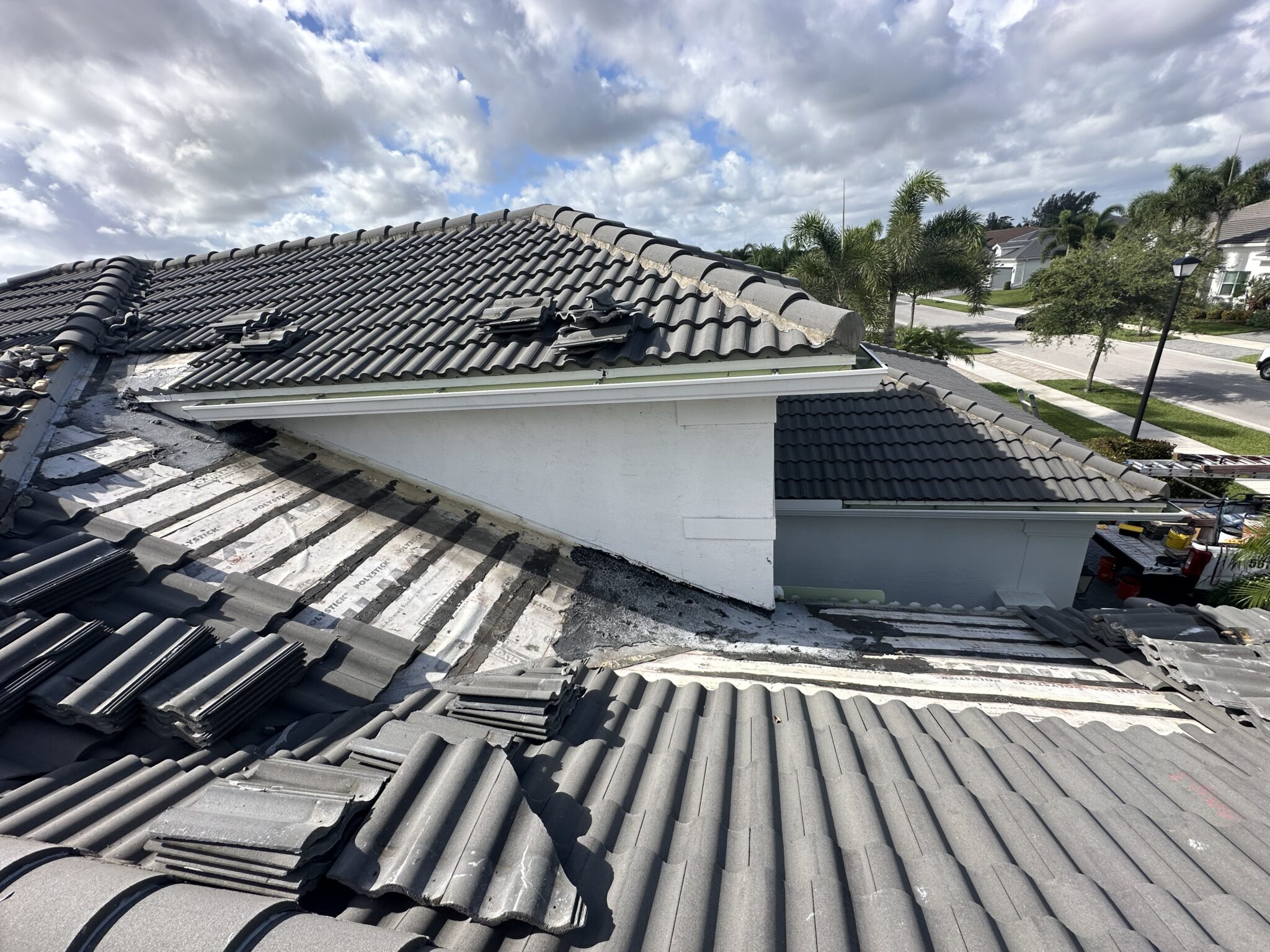
Here’s what most homeowners don’t realize: the tiles themselves almost never cause leaks. Quality concrete tile roof repair or clay tile roof repair rarely involves replacing significant tile quantities. Instead, leaks originate from the components beneath and around the tiles—underlayment, flashing, valley metals, and penetration seals.
Tile serves as the first layer of defense, shedding 95% of rainfall before it reaches the underlayment. The underlayment—that waterproof membrane between tiles and decking—provides the actual waterproofing. When underlayment deteriorates from years of exposure, that’s when leaks develop.
Common leak sources in Boca Raton tile roofs include:
- Deteriorated underlayment in high-heat zones (southern exposures, west-facing sections)
- Failed valley metals where two roof planes intersect
- Compromised flashing around chimneys, vents, and skylights
- Cracked or missing pipe boot seals
- Ridge cap tiles with failed mortar or sealant
- Improperly installed or missing drip edge components
Understanding this fundamental principle changes how you approach tile roof maintenance. You’re not maintaining the tiles—you’re maintaining the waterproofing system beneath them.
1. Schedule Professional Roof Inspections Every 2-3 Years
The single most effective prevention strategy is regular professional inspection by a qualified tile roof contractor in Boca Raton who understands the difference between necessary repairs and unnecessary replacements.
What a proper inspection includes:
Underlayment Assessment: Experienced contractors can identify underlayment deterioration without removing tiles by checking for characteristic signs—soft spots when walking the roof, visible deterioration at exposed edges, and buckled or wrinkled underlayment visible through tile gaps.
Valley Metal Evaluation: Valleys concentrate water flow, making them the highest-stress component of any roof system. Inspectors examine valley metals for rust, separation at seams, and proper fastening. Valley metal replacement typically costs $2,000-$4,000 and prevents catastrophic leaks.
Flashing Condition: All penetrations—plumbing vents, exhaust fans, skylights, chimneys—require properly installed flashing. Inspections verify flashing integrity, sealant condition, and proper integration with underlayment systems.
Tile Security: Individual tiles can crack, slip, or dislodge during storms. Inspectors identify loose or damaged tiles before they create underlayment exposure. Individual tile replacement runs $50-$150 per tile—far less expensive than water damage repairs.
Mike McGilvary Roofing provides free roof inspections and 5-year roof certifications essential for maintaining insurance coverage in Florida’s challenging insurance market. Many carriers now require roofs under 15 years or certified by licensed contractors, making regular inspections not just preventive maintenance but insurance necessities.
Insurance Certification Requirements
Florida Statute §627.7011 governs how insurance companies treat roof age. Regular inspections and certifications can extend your roof’s insurability significantly beyond arbitrary age cutoffs. A strategic home roof repair in Boca Raton combined with professional certification often satisfies carrier requirements at 20-40% the cost of full replacement.
2. Maintain Clean Valleys and Gutters Year-Round
Boca Raton’s extensive tree canopy—particularly in established neighborhoods like Boca Raton Hills, St. Andrews Country Club, and Royal Palm Yacht & Country Club—creates constant debris accumulation that directly contributes to tile roof leak repair needs.
Here’s why this matters for residential roof maintenance:
Valley Blockages Create Standing Water: Valleys are designed to shed water rapidly. When leaves, pine needles, and debris accumulate, water backs up under tiles. Even a few hours of standing water can penetrate underlayment seams and compromise waterproofing.
Debris Traps Moisture: Organic material retains moisture against underlayment, accelerating deterioration. Areas with persistent debris buildup age 2-3 times faster than clean sections.
Gutter Overflow Damages Fascia and Soffit: When gutters overflow, water runs behind fascia boards, rotting wood and creating entry points for water infiltration into attic spaces.
Maintenance schedule for Boca Raton homeowners:
- Spring (April-May): Post-dry season cleaning to remove accumulated debris before summer storms
- Fall (October-November): Pre-winter cleaning before cooler months when debris tends to remain wet longer
- After Major Storms: Immediate debris removal following hurricanes or severe weather events
- Monthly Visual Checks: Quick ground-level inspection with binoculars to identify obvious accumulation
For homeowners uncomfortable with ladder work—which includes most people—professional cleaning services cost $150-$400 depending on roof size and complexity, a minimal investment compared to leak repair costs.
3. Address Individual Tile Issues Immediately
That single cracked tile visible from your driveway isn’t just aesthetic—it’s a countdown timer to underlayment damage.
The progression looks like this:
Week 1-4: Cracked or missing tile exposes underlayment to direct UV radiation and rain impact. Underlayment is designed to work beneath tiles, not as an exposed surface.
Month 2-6: UV degradation accelerates. Exposed underlayment becomes brittle and develops small cracks. Light rain events may not yet penetrate, but structural integrity diminishes daily.
Month 6-12: First moisture intrusion occurs during heavy rainfall. Small water stains may appear on ceilings or in attics. Homeowners often dismiss these as minor issues.
Year 2+: Extensive underlayment deterioration spreads beyond the original damaged tile location. What started as a $75 tile replacement becomes a $3,000-$8,000 section underlayment repair.
Common tile damage causes in Boca Raton:
- Hurricane debris impact (tree branches, projectiles)
- Thermal stress cracking on dark-colored tiles in full sun exposure
- Foot traffic during unauthorized roof access (satellite installers, maintenance workers)
- Fallen palm fronds and coconuts (particularly in oceanfront properties)
- Improper installation 20+ years ago finally manifesting as failures
When you notice damaged tiles, contact a licensed contractor immediately. Mike McGilvary personally oversees every project, ensuring repairs meet current Florida Building Code wind load requirements while preserving your existing roof investment.
4. Monitor and Maintain Roof Penetration Seals
Every pipe, vent, exhaust fan, and skylight creates a potential leak point. These penetrations require specialized flashing and sealing that deteriorates faster than the surrounding roof system.
Plumbing Vent Boots: The rubber or neoprene boots surrounding plumbing vents typically last 10-15 years in South Florida’s heat. As they age, they crack and separate from pipes, allowing water to run directly into wall cavities. Boot replacement costs $150-$300 per penetration—far less than the water damage they prevent.
Skylight Flashing: Skylights represent the most complex roof penetrations, requiring multi-layer flashing integration. Annual inspection of skylight perimeters should check for sealant separation, flashing corrosion, and proper water diversion. Skylight reflashing typically runs $800-$1,500 depending on size and accessibility.
Exhaust Fan Housings: Kitchen and bathroom exhaust vents create roof penetrations sealed with flashing and often caulked seams. These seals fail regularly, particularly on west-facing roof sections exposed to afternoon sun. Residential roof maintenance should include annual sealant inspection and reapplication as needed.
Chimney Flashing: For homes with chimneys (less common in newer Boca Raton construction but prevalent in 1970s-1990s homes), chimney flashing requires specialized attention. The junction between masonry and roofing materials experiences significant thermal expansion differences, stressing flashing systems. Counter-flashing, step-flashing, and cricket installations all require periodic inspection.
DIY vs. Professional Maintenance
While homeowners can visually inspect penetrations from ground level with binoculars, actual seal maintenance requires roof access, proper materials, and understanding of flashing integration with tile and underlayment systems. Improper sealant application often creates worse problems than it solves by trapping water behind improperly placed barriers.
5. Understand Your Roof’s Age and Plan Strategically
The most sophisticated maintenance tip is understanding your roof’s lifecycle and planning interventions strategically rather than reactively.
Typical tile roof component lifespans in Palm Beach County:
- Concrete or clay tiles: 50+ years (often outlast the building)
- Underlayment (30-pound felt): 15-20 years
- Underlayment (synthetic): 25-30 years
- Valley metals: 20-25 years
- Flashing: 20-30 years depending on material and exposure
- Sealants and boots: 10-15 years
Notice that tiles outlast every other component by decades. This is why Mike McGilvary Roofing pioneered the “roof rebuild” approach—strategically replacing deteriorated components while preserving sound materials.
The car analogy applies perfectly here: You don’t buy a new car when you hit 30,000 miles—you replace the tires, change the oil, and address what actually needs attention. Your roof works the same way. A 25-year-old tile roof with deteriorated underlayment in one section doesn’t need a $50,000 replacement. It needs a targeted rebuild addressing the actual problem while preserving decades of remaining tile life.
The Rebuild Approach for Boca Raton Homeowners
When your 20-25 year old tile roof shows signs of underlayment deterioration, most contractors immediately quote full replacement at $35,000-$75,000. This generates maximum profit but ignores the reality that your tiles likely have 30+ years of remaining service life.
A strategic rebuild typically includes:
- Section-specific underlayment replacement (tiles carefully removed, preserved, reinstalled)
- Valley metal replacement with upgraded materials
- Flashing reconstruction around all penetrations
- Decking repair where moisture damage exists
- Tile reset with proper fastening to current wind codes
- Boot and seal replacement at all penetrations
Total cost: typically $8,000-$18,000 depending on scope—providing another 15-25 years of service life at 25-40% the cost of full replacement.
This approach isn’t cutting corners; it’s intelligent roofing that treats roof systems the way good mechanics treat vehicles. Mike McGilvary Roofing exists to give homeowners honest alternatives to unnecessary replacements.
When to Call a Professional vs. DIY Monitoring
Homeowners can and should perform basic visual monitoring:
- Ground-level inspection with binoculars every 3-4 months
- Attic checks for water stains after heavy rain events
- Gutter and downspout monitoring for proper drainage
- Documentation of any visible tile damage or displacement
However, actual tile roof maintenance requires professional expertise:
- Walking tile roofs without causing damage requires training and proper technique
- Underlayment assessment needs experienced visual and tactile evaluation
- Flashing repairs require understanding of proper integration and materials
- Any work involving tile removal and reinstallation needs professional execution
The roofing industry has a problematic incentive structure. Most contractors make significantly more profit selling full replacements than repairs, creating pressure to recommend unnecessary work. Palm Beach County homeowners regularly receive quotes for $40,000+ full replacements when their roofs need $3,000-$8,000 in targeted repairs.
This is where honest evaluation becomes essential. Mike McGilvary Roofing doesn’t upsell unnecessary replacements. Every project receives Mike’s personal oversight, ensuring you receive accurate assessments and fair pricing on exactly what your roof needs—nothing more.
Protect Your Investment with Proactive Tile Roof Maintenance
Your tile roof represents a significant investment capable of protecting your Boca Raton home for 50+ years when properly maintained. The five strategies outlined here—regular professional inspections, debris management, immediate tile damage response, penetration seal maintenance, and strategic lifecycle planning—prevent the majority of tile roof leak repair needs before they develop.
Most importantly, find a tile roof contractor in Boca Raton who prioritizes your long-term roof health over short-term profit maximization. The difference between a $4,000 strategic repair and a $45,000 unnecessary replacement often comes down to contractor honesty.
Mike McGilvary Roofing has served Palm Beach County (a McGilvary family legacy of licensed roofing dating to 1974) with an A+ BBB rating, 5.0 stars across hundreds of Google reviews, and a BuildZoom score of 107 (94th percentile, above 94% of 191,428 Florida contractors). Licensed (CCC1331721), insured, and available 24/7 for emergencies, we provide the honest assessments and quality craftsmanship your tile roof deserves.
Schedule your free roof inspection and 5-year insurance certification today. Discover what your roof actually needs—and what it doesn’t. Call Mike McGilvary Roofing or visit our website to connect with a roofing contractor who treats every project with the personal attention and transparency you deserve.
Related from Mike McGilvary Roofing