
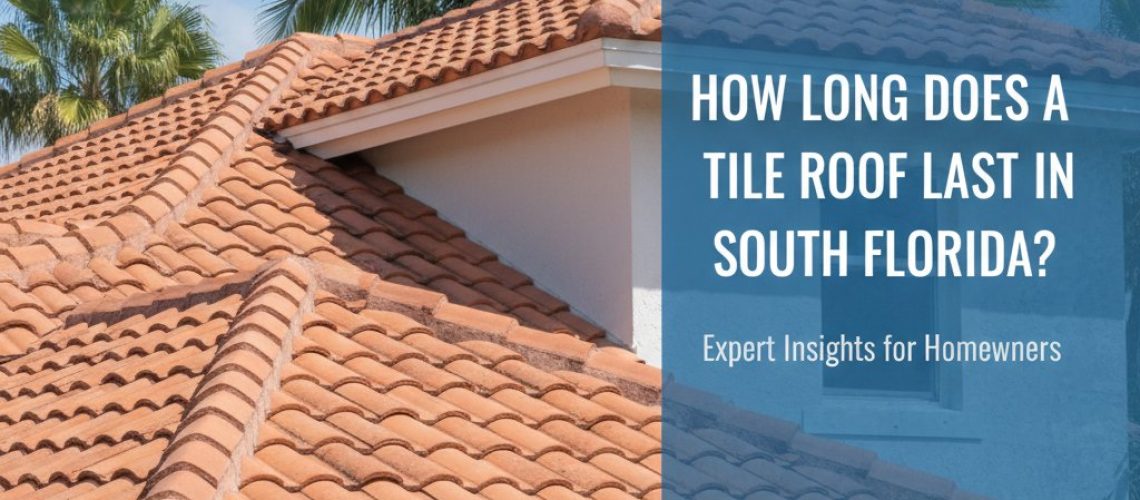
A tile roof in South Florida typically lasts 40-75 years, but the underlayment beneath those tiles only lasts 15-25 years. This fundamental disconnect creates confusion for thousands of Palm Beach County homeowners who receive quotes for complete roof replacements when their actual problem is hidden layers—not the visible tiles everyone sees from the street.
Understanding this distinction can save you $30,000 or more.
The Tale of Two Lifespans: Tiles vs. Underlayment

Your tile roof isn’t a single component—it’s a layered system where different materials age at dramatically different rates.
Concrete Tile Lifespan
Concrete tiles dominate South Florida roofing for good reason. In Palm Beach County’s climate, quality concrete tiles typically last 40-50 years. Proper installation, adequate roof pitch, and minimal foot traffic can extend this to 60 years. The tiles themselves withstand our intense UV exposure, tropical storms, and temperature fluctuations remarkably well.
After 25-30 years, you’ll notice some surface wear—slight color fading, minor edge chipping, perhaps some efflorescence (white mineral deposits). These cosmetic changes don’t compromise performance. The tile still sheds water, resists wind uplift, and protects your home.
Clay Tile Lifespan
Clay tiles represent the premium option, particularly in high-end communities like Palm Beach, Gulf Stream, and Jupiter Island. Clay tiles routinely last 50-75 years in South Florida. Historic properties throughout Palm Beach County feature original clay tiles from the 1920s and 1930s still performing adequately.
Clay’s fired ceramic composition resists UV degradation better than concrete. The material doesn’t absorb water like concrete can, making clay more resistant to the freeze-thaw cycles we occasionally experience during unusual cold snaps.
The Underlayment Problem
Here’s where the roofing industry’s repair-versus-replacement debate gets interesting.
The underlayment—the waterproofing membrane between your tiles and roof decking—only lasts 15-25 years in South Florida’s heat. Standard #30 felt paper deteriorates fastest (15-20 years). Synthetic underlayments perform better (20-25 years). Even premium products eventually break down under the relentless heat trapped beneath those tiles.
When a 25-year-old tile roof starts leaking, the tiles themselves typically have 20-30 years of life remaining. You’re experiencing underlayment failure, not tile failure. Yet most contractors will quote you for complete replacement because it’s more profitable than the targeted repair you actually need.
What Actually Wears Out First on South Florida Tile Roofs
After inspecting thousands of tile roofs across Palm Beach County since 1974, we’ve identified the predictable failure points that create leaks long before the tiles themselves wear out.
Valley Metal (15-20 Years)
Valley metal channels water where two roof planes meet. This high-volume water flow area experiences constant exposure to standing water, debris accumulation, and accelerated corrosion. Galvanized valley metal commonly fails around the 15-year mark in our climate. You’ll see rust, pinhole leaks, and separation at seams.
Valley metal replacement costs $2,000-$4,000 depending on your roof’s complexity. This targeted tile roof repair addresses the actual problem while preserving decades of remaining tile life.
Flashing and Penetration Seals (10-15 Years)
Every roof penetration—plumbing vents, exhaust fans, satellite mounts, solar equipment—creates a potential leak point. The rubber boots, silicone seals, and metal flashing at these locations deteriorate under constant UV exposure and thermal cycling.
Flashing failure accounts for roughly 40% of the tile roof repair calls we receive in Boca Raton and surrounding communities. The good news? Individual flashing repairs cost $500-$1,500, not $50,000.
Roof-to-Wall Transitions (Variable)
Where your tile roof meets stucco walls, you’ll find step flashing and counter-flashing that must maintain a waterproof seal despite building movement, stucco cracking, and caulk deterioration. These transition areas often leak before the main roof field shows any problems.
Tile Attachment Systems (20-30 Years)
How your tiles attach to the roof deck matters enormously for longevity. Older installations used nails that can corrode or work loose over time. Some builders used foam adhesive that breaks down in heat. Modern installations use mechanical fasteners specifically engineered for Florida’s wind codes.
During major wind events, improperly attached tiles become projectiles. A comprehensive tile roof maintenance inspection should evaluate attachment integrity, not just visible tile condition.
The Roof Rebuild Approach for Tile Roofs
When your 25-year-old concrete tile roof starts leaking, you face a choice between two vastly different approaches—and price points.
Option 1: Complete Replacement ($35,000-$75,000)
Remove and dispose of perfectly functional tiles with 20+ years of remaining life. Install new underlayment, new tiles, new everything. This is what most tile roof contractor Boca Raton companies will propose because the profit margin is substantial.
Option 2: Strategic Rebuild ($8,000-$18,000)
Carefully remove tiles in affected areas, preserve them, replace the underlayment and damaged components, then reinstall the original tiles properly fastened to current code. Address valley metal, flashing, and penetrations comprehensively. The result? A roof system that performs like new at 40-60% cost savings.
Think about your roof the way a good mechanic thinks about your car. You don’t buy a new vehicle when you need new tires and brakes. You replace what’s actually worn while preserving the sound components. Your tile roof works exactly the same way.
Insurance Requirements and the 15-Year Cliff
Florida’s property insurance crisis has created urgent pressure around roof age. Many carriers now refuse to write policies for homes with roofs over 15 years old. Others require expensive wind mitigation inspections and 4-point inspections that frequently identify “roof age” as a coverage barrier.
Here’s where strategic concrete tile roof repair becomes invaluable: A properly executed roof rebuild can qualify for a 5-year roof certification that satisfies insurance requirements. You’ve addressed the actual problem areas—underlayment, valley metal, flashing—without the expense of replacing tiles that don’t need replacement.
Mike McGilvary Roofing offers free roof inspections and can provide the 5-year certifications insurance carriers require. We document the work with photos and detailed reports that demonstrate your roof meets current standards, even if the tiles themselves are 20-30 years old.
Signs Your Tile Roof Needs Attention (Not Necessarily Replacement)
Watch for these indicators that your tile roof needs professional evaluation:
- Water stains on ceilings or walls: Often indicates localized flashing failure or valley issues, not complete roof failure
- Visible daylight through roof decking: Suggests tile displacement or deteriorated underlayment in specific areas
- Cracked or broken tiles: Individual tile replacement costs $50-$150 per tile—dramatically less than complete replacement
- Granular debris in gutters: More common with shingle roofs, but concrete tile can shed surface material as it ages
- Increased cooling costs: May indicate underlayment breakdown affecting your attic’s thermal performance
- Tile movement during wind events: Indicates attachment failure requiring immediate attention before the next storm
None of these signs automatically mean you need a $50,000 roof replacement. They indicate you need an honest assessment from a residential roof repair contractor who doesn’t have a financial incentive to oversell you.
Extending Your Tile Roof’s Lifespan
Proactive tile roof maintenance dramatically extends system lifespan and helps you avoid emergency repairs during storm season.
Annual Inspections
Professional inspections identify small problems before they become expensive disasters. We look at valley metal condition, flashing integrity, tile attachment, underlayment visibility through gaps, and penetration seals. An annual inspection costs $150-$300 but can prevent $5,000+ emergency repairs.
Debris Management
Palm fronds, oak leaves, and pine needles accumulate in valleys and behind solar panels. This organic material holds moisture against metal components and accelerates corrosion. Quarterly debris removal—especially before storm season—prevents premature valley failure.
Limit Foot Traffic
Every time someone walks on your tile roof, they risk cracking tiles and disturbing properly seated tiles. Limit access to essential maintenance only. When satellite technicians, solar installers, or HVAC contractors need roof access, ensure they use proper walking techniques and roof pads.
Address Small Issues Immediately
A single cracked tile that allows water infiltration can damage roof decking, creating a $3,000 repair from what should have been a $75 tile replacement. Small issues compound rapidly in Florida’s wet climate.
Clay Tile Roof Repair vs. Concrete Tile Considerations
The repair approach differs slightly between clay and concrete tiles.
Clay tiles are more brittle and require extra care during removal and reinstallation. Finding exact color matches for clay tile repair can be challenging on older roofs, as clay’s natural variation means even “matching” tiles from the same manufacturer look slightly different. However, clay’s superior longevity means the tiles themselves almost never need replacement—only the underlying components.
Concrete tiles are more durable during handling but more susceptible to surface wear over time. Color matching is generally easier with concrete. The tiles are heavier, so structural considerations matter more when evaluating whether existing decking can support reinstallation.
Both materials respond well to the rebuild approach when underlayment fails before the tiles do.
Why Home Roof Repair Boca Raton Requires Local Expertise
Palm Beach County’s roofing environment is unique. We don’t experience the freeze-thaw cycles that plague northern roofs. Instead, we face relentless UV exposure, extreme heat, salt air in coastal areas, and wind-driven rain during tropical systems.
Local expertise matters because proper home roof repair Boca Raton requires understanding how materials perform specifically in our climate. An experienced contractor knows that valley metal specifications suitable for Georgia fail rapidly here. We know which underlayment products actually deliver their advertised lifespan in 160-degree attic temperatures.
Mike McGilvary Roofing has served Palm Beach County since 1974. We’ve seen how different materials and techniques perform over decades, not just the 2-3 years newer companies can reference. This institutional knowledge prevents expensive do-overs and ensures repairs last.
Get an Honest Assessment of Your Tile Roof
If your tile roof is approaching 20 years old or you’re experiencing leaks, you deserve an honest evaluation from a contractor who doesn’t profit from overselling you.
Mike McGilvary Roofing pioneered the repair-first approach in Palm Beach County. We provide free inspections, detailed written assessments, and straightforward explanations of what your roof actually needs—not what generates the biggest invoice.
Our A+ BBB rating, 5.0-star Google rating from 400+ reviews, and top 10% BuildZoom score (103/100) reflect our commitment to transparency and quality work. We’re available 24/7 for emergency repairs because roof leaks don’t wait for business hours.
Contact Mike McGilvary Roofing today for your free roof inspection. Let’s determine whether your tile roof needs a targeted repair, a strategic rebuild, or actual replacement—and give you the information to make the best decision for your home and budget.
Mike McGilvary Roofing Inc.
Florida Contractor License: CCC1331721
Serving Palm Beach County since 1974
A+ BBB Accredited | 5.0 Google Rating | NRCA Member