
A professional roof inspection could save you tens of thousands of dollars. That’s not an exaggeration—it’s the documented reality for South Florida homeowners who understand their legal rights under Florida Statute 627.7011 before making decisions about roof replacement or insurance coverage.
Most Florida homeowners receive pressure from two directions: insurance companies citing roof age as grounds for non-renewal, and roofing contractors recommending full replacements for roofs that actually need targeted repairs. A certified roof inspection cuts through both pressures with documented evidence of your roof’s actual condition and remaining useful life.
What Actually Happens During a Certified Roof Inspection in Florida

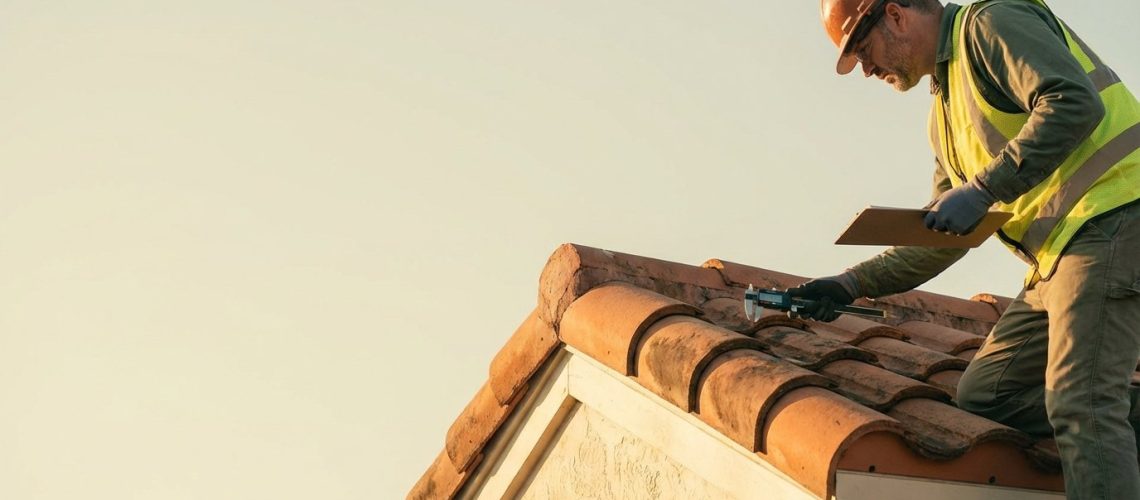
A legitimate roof inspection goes far beyond someone walking your roof and giving you a verbal opinion. At Mike McGilvary Roofing, we conduct comprehensive evaluations that produce legally defensible documentation of your roof’s condition.
The inspection process includes:
- Complete exterior examination: Every section of your roof gets inspected for structural integrity, material condition, and proper installation. This includes tiles, valleys, transitions, flashings, and all penetration points.
- Attic and interior assessment: We examine the underside of your roof decking, looking for water stains, structural damage, ventilation issues, and insulation problems that indicate active or past leaks.
- Photographic documentation: Digital photos capture every area of concern, plus overall roof condition. This visual evidence supports insurance claims and helps homeowners understand what they’re actually dealing with.
- Written report with findings: You receive a detailed assessment documenting current condition, areas of concern, recommended repairs, and an evaluation of remaining useful life.
- Five-year roof certification (when applicable): For roofs that meet structural and functional standards, we can provide the certification that Florida law recognizes for documenting a roof’s condition for insurer review.
The entire process typically takes 45-90 minutes, depending on roof size and complexity. You receive documentation you can use when dealing with insurance companies or making informed decisions about repairs versus replacement.
Understanding Florida’s Roof Inspection Law

Florida Statute 627.7011 fundamentally changed the insurance landscape for homeowners, but most people have never heard of it. This law, which applies to policies issued or renewed after July 1, 2022, establishes specific rights regarding roof age and insurance coverage.
Here’s what the law actually says:
Insurance companies cannot refuse to issue or renew a policy based solely on roof age if your roof is under 15 years old. For roofs 15 years or older, you have the legal right to obtain a professional roof inspection. If that inspection confirms at least five years of remaining useful life, the insurer cannot deny coverage based on age alone.
This matters: a qualifying inspection documenting at least five years of remaining useful life may prevent an insurer from refusing coverage solely because of roof age. Final coverage and underwriting decisions remain with the insurance carrier.
The problem? Most homeowners never learn about this law. They receive a non-renewal notice citing roof age, panic, and immediately start getting quotes for $40,000-$60,000 replacements they don’t actually need. A $350-$500 inspection could have protected their coverage and saved them a premature replacement.
Why Tile Roofs Don’t Need Replacement Based on Age Alone
South Florida’s tile roofs last far longer than 15 or 20 years—but they don’t deteriorate evenly. Understanding this pattern is essential before you make any decisions about replacement.
Concrete and clay roof tiles can last 50 years or longer with proper installation and maintenance. The tiles you see aren’t usually the problem. The components underneath—underlayment, valley metals, flashing, and specific high-stress areas—deteriorate faster and more predictably.
Damage concentrates in specific zones:
- Valley areas: Where two roof planes meet, water volume is highest. Valley metal corrodes, underlayment deteriorates, and leaks develop—even while surrounding roof sections remain completely sound.
- Transitions and step-downs: Architectural complexity creates stress points where water management is most challenging.
- Penetration points: Plumbing vents, electrical masts, and HVAC equipment penetrations allow water infiltration as boots and seals age.
- Eaves and overhangs: Edge conditions face the greatest exposure to wind-driven rain and sun exposure.
The critical insight: You can often rebuild these specific problem areas while preserving the vast majority of your roof system. This approach—targeted rebuilds addressing actual deterioration—extends useful life at 20-40% the cost of full replacement.
This is why deciding between repair and replacement requires professional assessment rather than age-based assumptions.
The Financial Incentive Problem in Roofing
The roofing industry has a transparency problem that costs homeowners billions annually. Understanding this dynamic helps explain why unbiased inspections matter so much.
Most roofing companies generate revenue through new roof installations. A full tile roof replacement in South Florida runs $35,000-$75,000 depending on size and material. A valley rebuild might cost $3,000-$5,000. A section-specific underlayment repair runs $4,000-$8,000.
The financial incentive is obvious: Companies make far more profit recommending replacement than repair. This creates systematic bias toward replacement recommendations even when targeted repairs would adequately address the actual problems.
Mike McGilvary Roofing operates differently. We don’t install new roofs—we specialize exclusively in repairs, rebuilds, and inspections. This eliminates the financial incentive to push unnecessary replacements. Our role is comparable to a home inspector or public adjuster: we provide objective assessment of actual conditions so you can make informed decisions.
When we inspect your roof, we document what’s actually wrong and what solutions address those specific problems. If you need a full replacement, we’ll tell you and explain why. But if targeted repairs or rebuilds will restore integrity and extend useful life, that’s what we recommend—because we have no financial reason to do otherwise.
How to Use Your Inspection Results With Insurance Companies
A professional inspection becomes most valuable when you understand how to use it strategically with your insurance carrier.
If you receive a non-renewal notice citing roof age, request clarification about their specific concerns. Then schedule a certified inspection. The inspector’s written findings and five-year certification (if your roof qualifies) provide documentation the insurance company must legally consider under Florida Statute 627.7011.
Submit the complete inspection report with your response to the non-renewal notice. Include the written assessment, photographic documentation, and certification statement. Reference Florida Statute 627.7011 specifically, noting that your roof has been professionally evaluated and confirmed to have adequate remaining useful life.
Many insurance companies will reinstate coverage when presented with proper documentation. The key is providing evidence they cannot legally dismiss—not just fighting the non-renewal with opinions or assumptions.
The inspection also helps if you’re filing claims. Detailed documentation of pre-existing conditions versus new damage from storms becomes critical evidence. This is where understanding proper documentation for insurance claims can significantly impact your claim’s success.
What Roof Inspections Cost and What They Include
Professional roof inspections in South Florida typically cost $350-$650 depending on roof size, complexity, and whether you need a basic assessment or full certification for insurance purposes.
Standard inspection ($350-$450): Comprehensive visual assessment, digital photos, written report of findings, and repair recommendations. This level works for homeowners evaluating repair needs or getting a second opinion before making decisions.
Certified five-year roof inspection ($450-$650): Everything in the standard inspection plus detailed evaluation against Florida certification standards and formal certification letter for insurance documentation. This is what you need when responding to insurance non-renewal or satisfying carrier requirements.
The cost varies based on several factors: Single-story homes with simple roof lines take less time than multi-story properties with complex architecture. Tile roofs require more detailed assessment than shingle roofs because inspectors must carefully walk tiles without damage while evaluating underlayment condition.
Consider this perspective: A $500 inspection that saves you from a $45,000 premature replacement provides a 9,000% return on investment. Even if the inspection simply gives you confidence that recommended repairs are actually necessary, that peace of mind has significant value.
At Mike McGilvary Roofing, we provide free inspections for insurance purposes when you’re facing coverage issues. Our goal is helping homeowners exercise their legal rights, not creating another barrier to insurance coverage.
When You Actually Need Roof Replacement Versus Repairs
Some roofs genuinely need replacement. Honest assessment means acknowledging when repairs aren’t sufficient.
Replacement becomes necessary when:
- Widespread structural damage: If your roof decking shows extensive rot, sagging, or deterioration across multiple sections, the structural integrity requires complete reconstruction.
- Systemic underlayment failure: When underlayment has deteriorated throughout the roof rather than in isolated sections, comprehensive replacement makes more financial sense than attempting repairs everywhere.
- Tile condition beyond serviceability: If the tiles themselves are extensively cracked, broken, or deteriorated (common with some older concrete tile formulations), you cannot rebuild on compromised materials.
- Code compliance requirements: Some insurance carriers require complete tear-offs and new installation to current wind codes. This is relatively rare but does occur.
The honest answer: we inspect first and evaluate whether a targeted rebuild can extend the roof’s useful life before recommending full replacement — age alone doesn’t decide it. But some truly need replacement, and we document those findings clearly.
The difference between an advocate and a salesman shows up here. We explain what you actually need and why, backed by photographic evidence and written findings. Our compensation is the same whether we recommend a $4,000 valley rebuild or tell you the roof needs replacement and refer you to installation contractors.
Frequently Asked Questions About Florida Roof Inspections
Are roof inspections required in Florida?
Roof inspections are not universally required in Florida, but they become mandatory in specific situations. Many insurance companies require inspections for homes with roofs over 15 years old as a condition of coverage. Local building departments require inspections before issuing roof repair permits for work exceeding certain dollar thresholds. Real estate transactions often require roof inspections as part of the home inspection process. While not legally required for all homeowners, inspections are practically necessary for maintaining insurance coverage on older roofs.
How much does a roof inspection cost in Florida?
Professional roof inspections in Florida range from $350-$650 depending on scope and purpose. Basic assessments with written findings and photos typically cost $350-$450. Certified inspections that include the five-year certification needed for insurance documentation run $450-$650. Roof size, complexity, and material type affect pricing—larger homes with tile roofs cost more to inspect than smaller shingle roofs. Many roofing companies, including Mike McGilvary Roofing, offer free inspections for insurance-related purposes when homeowners face coverage issues.
What is the new law in Florida about roofs?
Florida Statute 627.7011, which took effect for policies issued or renewed after July 1, 2022, establishes specific protections for homeowners regarding roof age and insurance coverage. Insurance companies cannot refuse coverage based solely on roof age if the roof is under 15 years old. For roofs 15 years or older, homeowners have the right to obtain a professional inspection, and if that inspection confirms at least five years of remaining useful life, insurers cannot deny coverage based on age alone. This law protects homeowners from arbitrary non-renewals based on roof age without consideration of actual condition.
How often should I have my roof inspected?
South Florida homeowners should have roofs professionally inspected every 3-5 years as preventive maintenance, and immediately after major storm events. Roofs approaching 15 years old benefit from inspections before insurance renewals to identify any issues proactively. Annual inspections make sense for commercial properties or homes with known vulnerable areas. The inspection frequency also depends on your roof type—tile roofs typically need less frequent inspection than flat roofs or older shingle systems. Regular inspection helps identify small problems before they become expensive repairs.
Get Your Roof Inspected By a Licensed Advocate
Mike McGilvary Roofing provides certified roof inspections throughout Palm Beach County and surrounding South Florida communities. We’ve served homeowners, built on a McGilvary family legacy of licensed roofing dating to 1974, and our approach remains straightforward: document actual conditions, explain your options clearly, and help you make informed decisions without sales pressure.
We hold Florida Contractor License CCC1331721, maintain an A+ BBB rating, and hold a BuildZoom score of 107 (94th percentile of Florida contractors). Our 5.0-star Google rating across hundreds of reviews reflects our commitment to honest assessment and quality work.
If you’re facing insurance non-renewal due to roof age, considering whether repair or replacement makes sense, or simply want professional assessment of your roof’s condition, contact us for a comprehensive inspection. We provide the documentation and expertise you need to protect your home and your financial interests.
Call us 24/7 for inspection scheduling or emergency roof concerns. We respond quickly because we understand that roof issues don’t wait for convenient business hours. Let us show you what honest roofing assessment looks like in an industry that needs more transparency.
Related from Mike McGilvary Roofing