
🏆 BBB A+ Accredited
🔧 Serving Palm Beach County Since 1970
We’ve built our reputation on a repair-first philosophy. Most of the articles in this guide series explain why targeted repair, rebuilds, and certifications can extend your tile roof’s life and protect your insurance—without the cost of full replacement.
But here’s the honest truth: some roofs genuinely need to be replaced.
Knowing the difference between a roof that can be saved and one that can’t is just as important as knowing your rights under Florida’s roof age laws. An honest contractor will tell you both. A contractor who only recommends repair—regardless of what they find—is just as problematic as one who only recommends replacement.
This article covers the specific conditions where full roof replacement is the right answer, what those conditions look like in Palm Beach County, and how to make sure you’re getting an accurate diagnosis rather than being steered toward whichever option makes the contractor the most money.
What This Article Covers
1. The repair-first mindset—and its limits
2. 6 honest signs your roof needs full replacement
4. When Florida law requires replacement
Not Sure If Repair or Replacement Is the Right Call?
MM Roof Repair will tell you both answers honestly. Our free inspections use thermal imaging and drone photography to document exactly what’s happening—and we’ll recommend the path that’s right for your roof, not just the path that generates the biggest invoice.
The Repair-First Mindset—and Its Limits
At MM Roof Repair, we believe most tile roofs in Palm Beach County can be preserved through targeted repair or a roof rebuild. We’ve proven this across thousands of projects since 1970. When the tiles are sound and the damage is concentrated in the underlayment or high water flow areas, there’s simply no reason to spend $45,000+ on new tiles you don’t need.
But repair has limits. There are specific conditions where the damage is too extensive, too structural, or too widespread for selective repair to be practical, safe, or cost-effective. Recognizing those limits—and being transparent about them—is what separates an honest contractor from one who’s just trying to sell you whichever service they specialize in.
The Honest Test
A trustworthy contractor will give you both a repair scope and a replacement scope whenever the situation is borderline. That way you can compare outcomes, costs, and expected service life side by side. If a contractor only offers one option without explaining why the other isn’t viable, get a second opinion.
6 Honest Signs Your Roof Needs Full Replacement
These are the conditions we encounter on Palm Beach County roofs where we tell the homeowner: repair isn’t enough. You need a new roof.
1. Widespread Tile Failure
Individual cracked tiles from storm debris or foot traffic are normal repair items. But when a significant percentage of tiles—30% or more—are cracked, delaminating, spalling, or have lost structural integrity, reinstalling them isn’t practical. Concrete tiles that have absorbed moisture over decades can become soft, crumble at the edges, and no longer provide adequate weather shedding. At that point, the tiles themselves have reached end of life.
This is the key difference from an underlayment failure, where the tiles are sound but the waterproofing beneath them isn’t. When the tiles are the problem, they need to be replaced—and so does everything underneath them.
2. Extensive Structural Deck Damage
The roof deck—plywood or OSB sheathing—is the structural foundation of the entire roof system. When water penetration has gone unaddressed for years, large sections of decking can rot to the point where they no longer safely support the weight of tiles, workers, or the stresses of Florida winds.
Isolated deck damage—a few sheets in a valley or around a failed penetration—is repairable. But when the rot extends across multiple roof sections, when decking sags visibly, or when an inspector finds soft, spongy wood across wide areas, selective patching becomes structurally risky. A full tear-off, deck replacement, and new roof system is the safer path.
3. Sagging or Uneven Ridgeline
Step back and look at your roof’s ridgeline—the peak where the two main slopes meet. A healthy ridgeline is straight. If you see dips, waves, or visible sagging, the problem goes deeper than surface materials. Sagging indicates potential truss or rafter failure, widespread deck deterioration, or structural settling that compromises the roof’s ability to shed water and resist wind.
This is one of the most serious symptoms a roof can show. It cannot be resolved through repair alone—it requires structural work and typically a full roof replacement to address safely.
4. Recurring, Multiplying Leaks
A single leak with a clear source—a cracked tile, a failed pipe boot, a deteriorated valley—is a targeted repair. But when leaks keep appearing in new locations, even after previous repairs, it signals that the roof system is failing systemically rather than in isolated spots.
This pattern typically means the underlayment has deteriorated across most of the roof surface, not just in high water flow areas. When failures are no longer concentrated but have spread throughout the system, the economics shift: continued spot repairs become more expensive over time than a single comprehensive replacement.
5. Discontinued or Unmatchable Materials
Tile manufacturers periodically discontinue profiles, colors, and product lines. If your roof needs significant tile replacement and the matching tiles are no longer manufactured—and can’t be sourced from salvage suppliers—achieving a uniform, functional repair may not be feasible.
Under Florida Statute 626.9744, insurers must consider whether replacement materials “match in quality, color, or size” when evaluating repair versus replacement. When a match can’t be achieved, this can support the case for a full replacement covered by insurance.
6. Pre-2009 Roof with Extensive Damage
If your roof was built before March 1, 2009 and doesn’t comply with the 2007 Florida Building Code, the original 25% rule still applies. If damage exceeds 25% of the total roof area in a 12-month period, the entire roof section must be brought up to current code—which often means full replacement is required by law, not just by practical necessity.
Age Alone Is Not a Reason for Replacement
A 25-year-old tile roof with sound tiles, functional underlayment, and intact flashing does not need replacement simply because it’s old. Florida law recognizes this by requiring insurers to evaluate condition, not just age. If a contractor tells you “it’s time” based solely on how old your roof is—without documenting specific failures—get a second opinion with someone who will show you thermal imaging and photographic evidence of what’s actually happening.
The 30% Rule of Thumb
Here’s a practical framework for deciding between repair and replacement:
If the cost of repair exceeds 30% of the cost of a full replacement, replacement typically offers better long-term value.
For example: if a full tile roof replacement on your Palm Beach County home would cost $50,000, and the repair estimate comes in at $17,000+, you’re spending a significant amount for a solution that only extends the roof’s life by 5 to 10 years. At that point, the replacement—which adds 30 to 50+ years—is the more financially sound decision.
However, this rule has an important nuance for tile roofs. A roof rebuild—where tiles are preserved and only the underlayment and decking are replaced—typically costs $15,000 to $35,000 but adds 20 to 30+ years. Because it falls well below the 30% threshold while delivering near-replacement longevity, it often represents the sweet spot. For a detailed comparison, see our guide on tile roof repair vs. replacement.
When Florida Law Requires Replacement
In some situations, replacement isn’t a choice—it’s a legal requirement under the Florida Building Code.
The 25% Rule for Pre-2009 Roofs
If your roof was built before March 1, 2009 and more than 25% of the total roof area or roof section has been repaired, replaced, or recovered in a 12-month period, the entire roof section must be brought into compliance with the current Florida Building Code. For many older homes, this effectively requires full replacement.
If your roof was built or permitted after March 1, 2009, Senate Bill 4-D exempts you from this requirement—only the repaired portion must meet current code, regardless of the percentage affected.
Insurance-Driven Replacement
If your roof fails an insurance inspection—showing fewer than 5 years of remaining useful life—and repairs cannot restore it to a certifiable condition, your insurer may require full replacement as a condition of continued coverage. In some cases, particularly with older asphalt shingle roofs, this is the tipping point where replacement becomes the only path to staying insured.
Before accepting that verdict, have a licensed roofer evaluate whether a rebuild could restore enough useful life to qualify for certification. It’s a question that could save you tens of thousands of dollars.
Get Both Options—Repair and Replacement—In Writing
MM Roof Repair provides documented findings with every inspection. If your roof can be saved, we’ll show you how. If it needs replacement, we’ll show you why—with thermal imaging, photos, and written evidence.
What to Expect From a Full Roof Replacement in Palm Beach County
If replacement is the right call, here’s what the process typically involves and what it costs.
The Process
- Complete tear-off: All existing tiles, underlayment, and damaged decking are removed down to the structural framing.
- Deck replacement or re-nailing: Any damaged plywood or OSB is replaced. Sound decking is re-nailed to current code standards for wind uplift resistance.
- New underlayment installation: Code-compliant underlayment per the current 8th Edition Florida Building Code—typically self-adhered modified bitumen or two-ply synthetic systems meeting ASTM standards.
- New flashing at all transitions: Valleys, walls, penetrations, eaves—all flashing is replaced with corrosion-resistant materials.
- New tile installation: Tiles are installed using modern fastening methods that meet current wind uplift requirements, with proper overlap and drainage patterns.
- Final inspection and permitting: All work is permitted and inspected per Palm Beach County building department requirements.
Typical Costs
| Material | Cost Range (Installed) | Expected Lifespan |
|---|---|---|
| Concrete Tile | $7–$19 / sq ft | 30–50 years |
| Clay Tile | $12–$25 / sq ft | 50+ years |
| Standing Seam Metal | $12–$22 / sq ft | 40–70 years |
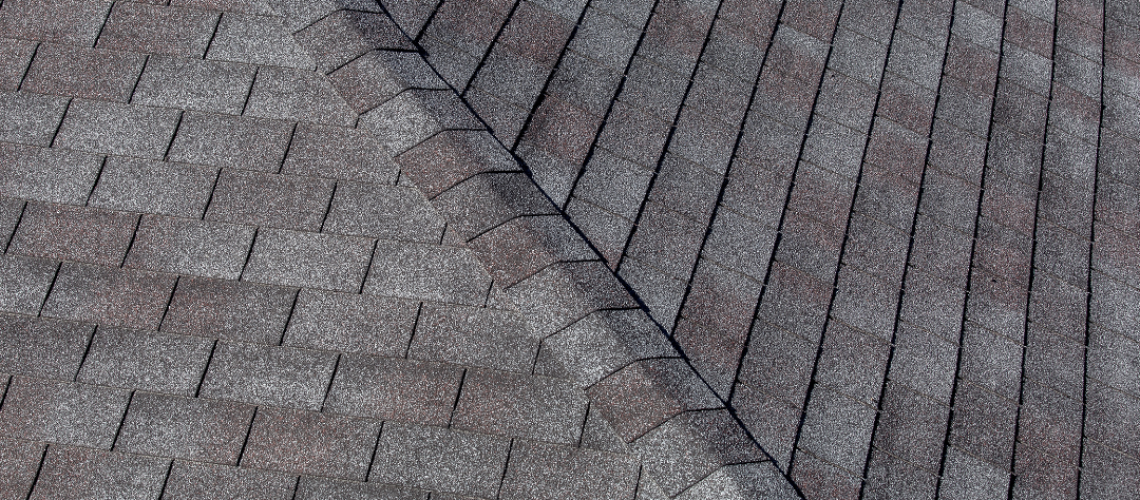
| Architectural Shingle | $5–$9 / sq ft | 15–22 years |
For a 2,000–2,500 sq ft roof, total project costs typically range from $20,000 to $50,000 for tile, $15,000 to $40,000 for metal, and $8,000 to $20,000 for shingle. Structural deck repair, permit fees, and disposal costs are additional.
Timeline
A full tile roof replacement in Palm Beach County typically takes 2 to 4 weeks, depending on roof size, complexity, weather conditions, and whether structural work is needed. Metal roofs tend to install faster; complex tile designs take longer. Permitting and inspection scheduling add time—plan for this in advance, especially before hurricane season.
Before You Sign a Replacement Contract
Ask every contractor for in-progress photos—especially of the underlayment and flashing installation before the tiles go on. The real quality of a roof replacement happens in the layers you’ll never see again. Also verify that the contractor is pulling proper permits and that the work will be inspected by the Palm Beach County building department. Unpermitted work can void your insurance coverage and create serious problems at resale.
Frequently Asked Questions
+
A professional inspection that evaluates the entire roof system—not just the surface—is the only reliable way. Key replacement indicators include widespread tile failure, extensive deck rot, a sagging ridgeline, recurring leaks in multiple locations, and unmatchable materials. If the damage is limited to the underlayment or specific zones, a repair or rebuild is typically more appropriate.
+
No. There is no Florida law mandating roof replacement at any specific age. Florida Statute 627.7011 requires insurers to evaluate roofs based on condition and remaining useful life—not age alone. However, insurance companies may apply internal underwriting thresholds that are stricter than the statute, which can create practical pressure to replace older roofs.
+
For a typical residential home (2,000–2,500 sq ft roof), tile replacement costs $20,000 to $50,000+, metal replacement costs $15,000 to $40,000, and shingle replacement costs $8,000 to $20,000. Additional costs for deck repair, permits, and disposal are common. A roof rebuild (preserving existing tiles) typically costs $15,000 to $35,000 and should be considered if the tiles are still sound.
+
Insurance may cover replacement if the damage is caused by a covered peril—storm, hurricane, hail, or other sudden events. Normal wear and tear, aging, and deferred maintenance are typically not covered. If your policy includes Replacement Cost Value (RCV) coverage, the insurer pays the full replacement cost. If it’s been switched to Actual Cash Value (ACV), the payout will factor in depreciation, potentially leaving you with a large out-of-pocket expense. Review your policy carefully and ask your agent about your coverage type before filing a claim.
+
It depends on your priorities. Standing seam metal offers the longest lifespan (40–70 years), best hurricane performance, and often the most favorable insurance treatment. Clay tile provides exceptional durability (50+ years) and aesthetic appeal. Concrete tile balances durability (30–50 years) with lower cost. Architectural shingles are the most affordable upfront but have the shortest lifespan in Florida (15–22 years) and may face earlier insurance scrutiny. Consider total cost per year of service rather than upfront price alone.
Continue Reading: Florida Roof Preservation Guide Series
Honest Assessment. Documented Findings. The Right Recommendation.
Whether your roof needs a targeted repair, a strategic rebuild, or a full replacement—MM Roof Repair will tell you the truth and show you the evidence. Serving Palm Beach County since 1970. Free inspections. No obligation.
Follow MM Roof Repair for project updates and roofing tips across Palm Beach County:
Mike believes an honest assessment is more valuable than any sales pitch. When a roof can be saved, he shows you how. When it genuinely needs replacement, he shows you why—with thermal imaging, drone documentation, and written findings. Serving Palm Beach County since founding MM Roof Repair. Available 24/7 at (561) 856-5060.