
🏆 BBB A+ Accredited
🔧 Serving Palm Beach County Since 1970
Your tile roof looks perfect from the street. The tiles are straight, the color is consistent, and there’s no visible damage. Yet water stains are appearing on your ceilings after every heavy rain. How is that possible?
The answer is one of the most common—and most misunderstood—roofing problems in South Florida: underlayment failure.
The tiles on your roof are not actually the waterproof layer. They never were. Tiles are a weather-shedding layer designed to deflect rain, block UV, and absorb impact. The real waterproofing happens underneath—in a flexible membrane called the underlayment that’s installed directly on top of your roof deck. And in Palm Beach County’s extreme climate, that membrane has a much shorter lifespan than the tiles sitting on top of it.
Understanding this distinction is critical, because it determines whether you need a $45,000+ full roof replacement—or a targeted repair that costs a fraction of that price and extends your roof’s life by another 20+ years.
What This Article Covers
Think Your Underlayment Might Be Failing?
MM Roof Repair uses thermal imaging to detect moisture beneath your tiles without removing a single one. Schedule a free inspection and find out exactly what’s happening under the surface.
What Tile Roof Underlayment Is—and Why It’s the Real Waterproof Layer
When most people think about their tile roof, they picture the visible surface—the curved barrel tiles or flat concrete profiles that define the look of their home. But those tiles are only half the system. Beneath every tile roof is a layered assembly of components, and each one serves a specific purpose.
From top to bottom, a tile roof system includes:
- Tiles: The weather-shedding layer. They deflect the majority of rain and block direct UV exposure to everything beneath them. But tiles are not sealed at the edges—water can and does get underneath them through wind-driven rain, capillary action, and drainage gaps between tiles.
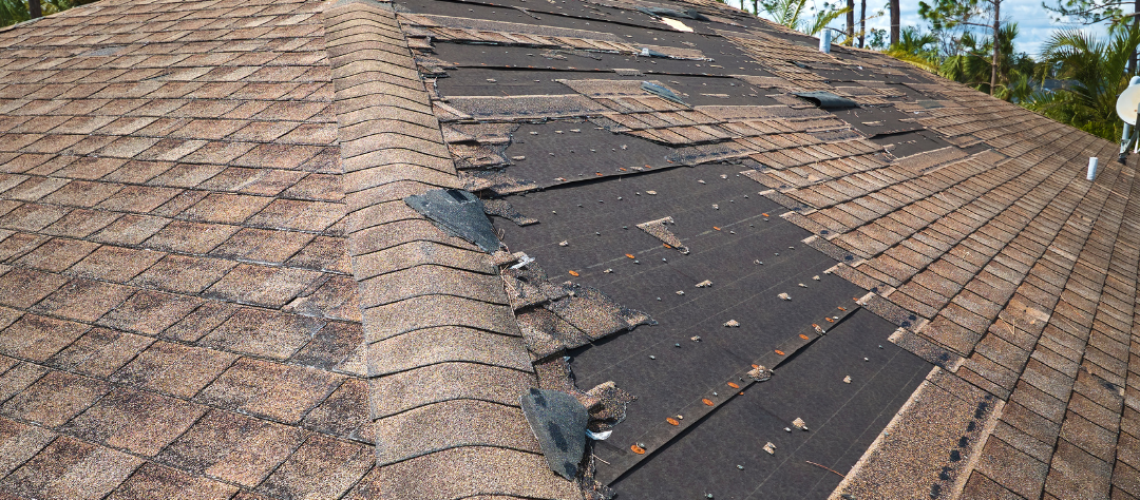
- Underlayment: The actual waterproof barrier. This flexible membrane is installed directly on top of the roof deck and is responsible for preventing any water that gets past the tiles from reaching the wood structure of your roof. It is the most critical weatherproofing component in the entire system.
- Roof deck (sheathing): The structural plywood or OSB panels that form the base of your roof. When underlayment fails, this is the first thing that starts to rot.
- Flashing: Metal components installed at transitions, valleys, walls, vents, and other penetrations to direct water away from vulnerable joints.
- Fasteners: Nails, screws, and clips that hold tiles, underlayment, and flashing in place—and are themselves vulnerable to corrosion in coastal environments.
Here’s the fundamental problem: the tiles can easily last 30 to 50+ years. The underlayment beneath them typically lasts 15 to 25 years in South Florida—sometimes as little as 8 to 12 years with lower-grade felt products. That gap between tile lifespan and underlayment lifespan is the root cause of the vast majority of tile roof leaks in Palm Beach County.
Why Underlayment Fails Faster in South Florida
Underlayment is designed to be durable—but it was never designed to survive indefinitely under the conditions that exist beneath a South Florida tile roof. Several factors accelerate the breakdown.
Extreme Heat Buildup (“Cooking”)
This is the number one killer of tile roof underlayment in Florida. On a typical summer afternoon in Palm Beach County, the surface temperature of your tiles can exceed 160°F. That heat radiates downward and gets trapped in the air gap between the tiles and the underlayment—essentially creating an oven beneath the tile surface.
Over years of daily heat cycling, this process literally cooks asphalt-saturated felt underlayment. The material becomes brittle, cracks, and eventually crumbles into a powdery residue that offers zero waterproofing protection. Roofing professionals call this process “thermal degradation,” and it happens faster under darker-colored tiles that absorb more solar energy.
UV Exposure Through Gaps and Cracks
While tiles block most UV radiation, they don’t create a perfect seal. Anywhere a tile has cracked, shifted, or been displaced—even slightly—UV light reaches the underlayment directly. That concentrated exposure rapidly breaks down the membrane in localized areas, creating weak points where leaks begin.
Moisture That Never Fully Dries
Palm Beach County’s average humidity hovers around 70–80%. When small amounts of water get beneath tiles—which is normal and expected in any tile roof system—that moisture should evaporate between rain events. But in a high-humidity environment, the drying cycle is incomplete. Over time, chronic moisture exposure breaks down adhesive bonds, promotes mold growth, and accelerates the deterioration of organic felt materials.
Concentrated Water Flow in Valleys and Transitions
Not every part of your underlayment deteriorates at the same rate. Valleys—where two roof planes meet—channel large volumes of water into a narrow path. Transitions where the roof meets a wall, chimney, or change in slope experience the same concentrated flow. These high water flow areas wear out the underlayment far faster than flat, mid-roof sections.
Key Insight
Tile roofs don’t deteriorate evenly. The underlayment in valleys, transitions, and high water flow zones can be completely failed while the underlayment on a straight, mid-slope section is still functional. This uneven pattern of deterioration is exactly why a full replacement is often unnecessary—and why a targeted roof rebuild makes more sense.
7 Warning Signs Your Tile Roof Underlayment Is Failing
Because the underlayment is hidden beneath tiles, you can’t see it from the ground. But the damage it causes when it fails produces visible symptoms throughout your home. Here’s what to watch for.
1. Water Stains on Ceilings or Upper Walls After Rain
This is the most obvious sign—and by the time you see it, the problem is already advanced. Water that breaches the underlayment saturates the deck, travels along rafters and sheathing, and eventually drips through to your ceiling. In Florida’s heat, water can travel several feet horizontally before it appears as a stain, which means the leak source is often far from where the stain shows up.
2. Damp, Discolored, or Clumped Attic Insulation
If you can safely access your attic after a rainstorm, check the insulation. Wet, dark, or matted insulation is a clear signal that water is getting past the underlayment. This often happens months or years before visible ceiling stains appear—catching it here is catching it early.
3. Musty or Earthy Odor in Upper-Floor Rooms
Chronic moisture intrusion creates the conditions for mold and mildew growth within your attic space and wall cavities. A persistent musty smell—especially one that gets stronger after rain—indicates ongoing water intrusion. This is both a structural concern and an indoor air quality issue.
4. Water Stains on Fascia or Soffit Boards
Staining or discoloration along the edges of your roof overhang often points to water damming behind the first row of tile at the eave. When water can’t drain properly at the roof edge—usually due to failed underlayment or deteriorated eave closure—it backs up and rots the soffit and fascia from behind.
5. Cracked, Slipped, or Missing Tiles
While not always caused by underlayment failure, displaced tiles create a secondary problem: they expose the underlayment directly to UV radiation and rain, dramatically accelerating localized deterioration. Even a few cracked tiles, left unrepaired, can trigger underlayment failure in that area within a few years. Prompt tile roof repair prevents this cascade effect.
6. Visible Daylight Through the Roof Deck
If you’re in your attic during the day and can see pinpoints of light coming through the deck, the underlayment and potentially the decking itself have been compromised. This is one of the most serious symptoms—it means rain is getting directly into your structure.
7. Unexplained Increase in Energy Bills
A subtler sign. When moisture intrusion soaks attic insulation or when gaps in the roof system allow hot, humid air into the attic space, your air conditioning has to work harder to maintain indoor temperature. If your energy costs have crept up without other explanation, your roof system may be the culprit.
Don’t Wait for Visible Leaks
By the time water stains appear on your ceiling, damage to the deck, insulation, and possibly the truss system is already underway. If your tile roof is 15 years old or older and you’ve never had the underlayment inspected, schedule a free roof inspection now—before the next storm season.
How Long Different Underlayment Types Last in Florida
Not all underlayment is created equal. The type of product installed on your roof—and when it was installed—significantly affects how long it will last before failure. Here’s what to expect in South Florida conditions.
| Underlayment Type | Florida Lifespan | Code Requirement | Key Weakness |
|---|---|---|---|
| Asphalt-Saturated Felt (30 lb) | 8–15 years | Two layers per ASTM D226 Type II | Cooks and becomes brittle in Florida heat |
| Synthetic Underlayment | 12–20 years | Cap nails required; staples no longer code-compliant | Seams can degrade; varies by product quality |
| Self-Adhered Modified Bitumen | 15–25 years | One layer per ASTM D1970 | Higher cost; installation quality is critical |
| Two-Ply Synthetic Systems | 12–20 years | Must meet FRSA/TRI 6th Edition specs | Quality varies widely between manufacturers |
Note: These are realistic South Florida lifespans, not manufacturer ratings. Manufacturer warranties assume conditions far milder than what Palm Beach County roofs actually experience. Ventilation quality, tile color, and installation technique all affect actual performance.
The Florida Building Code (FBC R905.2) and the FRSA/TRI 6th Edition set the current minimum standards for underlayment installation beneath tile roofs. These codes mandate specific material types, overlap dimensions, and fastening methods—and they’ve become significantly more stringent since the 2007 code revision.
Your Repair Options: Rebuild vs. Full Replacement
When underlayment failure is confirmed, homeowners are typically presented with two paths. Understanding the difference can save you tens of thousands of dollars.
Option 1: The Roof Rebuild (Underlayment Replacement)
A roof rebuild is the targeted solution. Your existing tiles are carefully removed by hand, inspected for damage, and set aside. The failed underlayment is stripped. Any damaged decking is replaced. New code-compliant underlayment is installed. Then your original tiles are reinstalled with updated fasteners and flashing that meet the current Florida Building Code.
This approach works when the tiles themselves are still structurally sound—which, for most concrete and clay tile roofs in Palm Beach County, they are. The rebuild addresses the component that actually failed (the underlayment) while preserving the component that didn’t (the tiles).
The Car Analogy
You don’t junk a car at 30,000 miles—you replace the tires and change the oil. A roof rebuild works the same way. The tiles are the body of the car. The underlayment is the tires. Replace what’s worn. Keep what works. Learn more about this approach in our Florida Roof Age Law guide.
Option 2: Full Roof Replacement
A full replacement means tearing off everything—tiles, underlayment, and often the decking—and starting from scratch with entirely new materials. This is the appropriate solution when tiles are at the end of their usable life, when widespread deck rot makes selective repair impractical, or when you want to change roofing materials entirely.
In Palm Beach County, a full tile roof replacement typically costs $35,000 to $75,000+ depending on home size, tile type, and structural requirements. It is significantly more expensive, more disruptive, and takes longer to complete than a rebuild.
How to Decide
The right choice depends on the condition of your tiles and the extent of the underlying damage. A thorough inspection by a licensed professional can tell you exactly what’s needed. For a deeper comparison of these two paths, see our guide on tile roof repair vs. replacement.
At MM Roof Repair, we start with a free inspection using thermal imaging and drone photography. These tools let us assess underlayment condition without removing tiles—so you get a clear picture of what’s happening before any work begins.
Need an Honest Assessment?
Mike McGilvary personally inspects every roof. If a rebuild will solve the problem, we’ll tell you. If replacement is truly needed, we’ll tell you that too. No pressure, no upselling—just documented findings you can use.
How Underlayment Failure Affects Your Florida Insurance
Underlayment failure doesn’t just threaten your home’s structure—it threatens your insurance coverage. Under Florida’s roof age laws, your roof’s condition directly determines whether your insurer will renew your policy.
The 15-Year Rule Connection
Florida Statute 627.7011 protects homeowners with roofs under 15 years old from age-based non-renewals. But once your roof hits 15 years, your insurer can require a professional inspection. If that inspection reveals underlayment failure and determines your roof has fewer than 5 years of remaining useful life, your policy can be non-renewed.
Here’s the critical detail: an inspector assessing remaining useful life evaluates the entire roof system—not just the tiles. A roof with perfect tiles but failed underlayment will not pass this assessment. The good news is that proactively addressing underlayment failure through a rebuild or targeted repair resets the remaining useful life calculation, which can save your coverage.
The Certification Advantage
After a roof rebuild, a licensed contractor can issue a roof certification documenting the work performed and the roof’s updated remaining useful life. This certification is the evidence your insurer needs to continue your coverage—and it’s far more affordable than a full replacement.
For a complete breakdown of how these laws work and your rights as a homeowner, see our comprehensive Florida Roof Age Law guide.
Frequently Asked Questions
+
In South Florida, traditional asphalt-saturated felt lasts approximately 8 to 15 years. Synthetic underlayments can last 12 to 20 years. Self-adhered modified bitumen products perform best at 15 to 25 years. Heat buildup beneath tiles—surface temperatures can reach 140–160°F—accelerates deterioration significantly compared to other climates.
+
Yes. A licensed roofing contractor can carefully remove the existing tiles, replace the deteriorated underlayment and any damaged decking, and then reinstall the original tiles. This process—called a roof rebuild—costs significantly less than a full replacement with new tile and is the most cost-effective solution when your tiles are still in good condition.
+
Common signs include water stains on ceilings or walls after rain, damp or discolored attic insulation, musty odors in upper-floor rooms, water stains on fascia or soffit boards, visible daylight through the roof deck from the attic, cracked or displaced tiles, and unexplained increases in energy bills. If your tile roof is 15+ years old and showing any of these symptoms, schedule a professional inspection.
+
Tiles are made from concrete or clay—extremely durable materials that resist UV, heat, and impact for decades. Underlayment is a flexible membrane that degrades from constant heat cycling, UV exposure through gaps, and moisture. Surface temperatures beneath Florida tile roofs can reach 140–160°F, which essentially cooks the underlayment over time while the tiles remain unaffected.
+
Yes. Under Florida’s 15-year roof rule, insurers can require inspection for roofs 15 years or older. If underlayment failure is detected and the roof is determined to have fewer than 5 years of remaining useful life, your policy may be non-renewed. Proactive underlayment replacement or a roof rebuild can restore your roof’s remaining useful life and protect your coverage.
Continue Reading: Florida Roof Preservation Guide Series
Your Tiles May Be Fine. What’s Underneath Them Might Not Be.
MM Roof Repair has been diagnosing and repairing tile roof underlayment across Palm Beach County since 1970. Thermal imaging. Drone documentation. Honest answers. No obligation.
Follow MM Roof Repair for project updates and roofing tips across Palm Beach County:
Mike has been repairing and preserving tile roofs across Palm Beach County since founding MM Roof Repair. His repair-first approach and use of thermal imaging and drone technology help homeowners avoid unnecessary replacements. Available 24/7 at (561) 856-5060.