
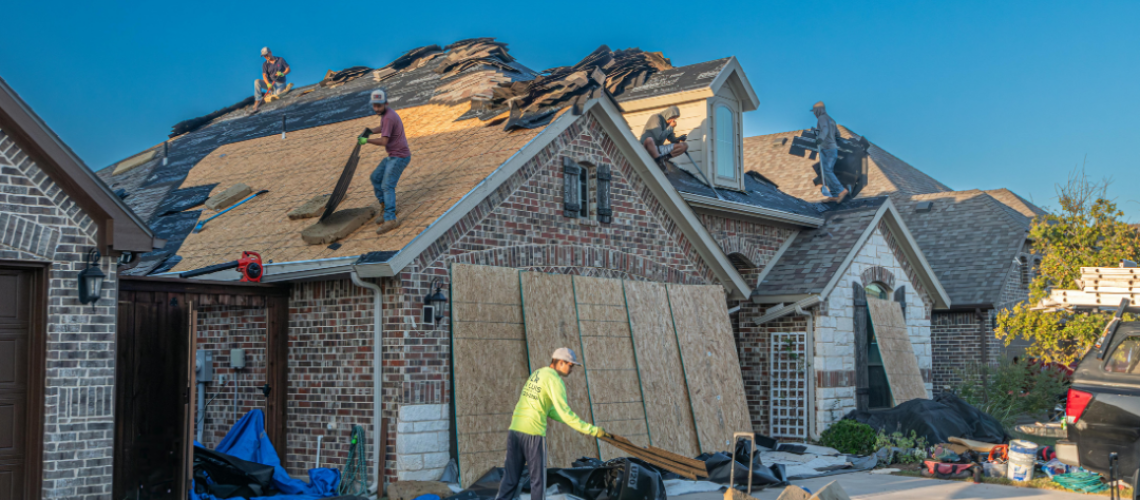
After 50+ years serving Palm Beach County homeowners, Mike McGilvary Roofing has witnessed countless situations where deferred underlayment replacement resulted in catastrophic water damage, structural rot, and repair costs exceeding $50,000. The good news? Proactive underlayment replacement—when properly timed and executed—prevents these disasters while extending your tile roof’s service life by decades.
🏆 Florida Licensed Contractor CCC1331721 | BuildZoom Score 107 (94th Percentile, Top 6%)
Mike McGilvary Roofing has provided expert roofing services, backed by family roofing roots dating to 1974. We’re BBB accredited with an A+ rating and proud members of the National Roofing Contractors Association.
This comprehensive guide provides everything Boynton Beach homeowners need to understand about tile roof underlayment replacement, including accurate cost projections, material selection, replacement timing, and code compliance requirements specific to Palm Beach County.
🚨 Need Expert Underlayment Inspection?
Our drone technology and thermal imaging detect hidden underlayment failure before catastrophic leaks develop
Understanding Tile Roof Underlayment Function and Failure Patterns
Tile roof underlayment serves as your roof’s critical secondary weather barrier—and in Florida, it’s often more important than the tiles themselves. While clay and concrete tiles shed most rainwater through their interlocking design, underlayment provides essential protection against wind-driven rain penetration, tile breakage, and the inevitable water infiltration that occurs in South Florida’s extreme weather conditions.
The Three Layers of Tile Roof Water Protection
Modern tile roof systems rely on a multi-layer defense strategy that becomes increasingly important in hurricane-prone regions like Boynton Beach:
- Tile Layer (Primary Barrier): Clay or concrete tiles shed approximately 95% of rainfall through their overlapping profile and interlocking design
- Underlayment System (Critical Secondary Barrier): The 2023 Florida Building Code now mandates dual-layer underlayment for enhanced protection against wind-driven rain
- Roof Deck (Tertiary Barrier): Properly sealed plywood or OSB decking provides the final line of defense, but should never be exposed to regular moisture contact
When underlayment fails, water bypasses this secondary barrier and directly contacts the roof deck. In Florida’s high-humidity environment, even minor deck exposure creates ideal conditions for mold growth, wood rot, and structural degradation—often progressing invisibly for years before interior damage becomes apparent.
Why Florida Underlayment Fails Faster Than National Averages
Industry Research Insight: According to ASTM International testing standards, roofing underlayment in South Florida experiences accelerated degradation at rates 40-60% faster than temperate climates due to combined UV exposure, thermal cycling, and humidity stress.
Palm Beach County’s climate creates uniquely challenging conditions for underlayment longevity:
- Extreme UV Exposure: Florida receives 60-70% more annual UV radiation than northern states, breaking down felt and synthetic underlayment polymers at accelerated rates
- Thermal Cycling: Daily temperature fluctuations of 30-40°F cause expansion-contraction cycles that stress underlayment seams and attachments
- High Humidity: Year-round humidity levels exceeding 70% promote moisture absorption in felt underlayment, accelerating deterioration and creating fungal growth conditions
- Hurricane Exposure: Periodic exposure to 100+ mph winds with wind-driven rain tests underlayment integrity in ways standard rainfall cannot
These factors combine to reduce typical felt underlayment service life from the national average of 20-25 years to just 15-20 years in Boynton Beach. Synthetic underlayment performs better but still experiences shortened lifespan compared to moderate climates.
Underlayment Material Comparison: Making the Right Choice for Boynton Beach
Selecting appropriate underlayment material significantly impacts both immediate replacement costs and long-term roof performance. This comparison table reflects current 2025 material specifications and real-world performance in Palm Beach County conditions:
| Underlayment Type | Service Life (FL) | Cost per Sq Ft | Key Advantages | Primary Limitations |
|---|---|---|---|---|
| #30 Felt (Asphalt-Saturated) | 15-20 years | $12-15 | Lowest upfront cost; proven track record; readily available | Shortest lifespan; moisture absorption issues; tears easily during installation |
| Synthetic (Polypropylene) | 20-30 years | $15-18 | Superior tear resistance; excellent UV stability; lightweight; resists fungal growth | Higher initial cost; requires experienced installation; some products slip when wet |
| Modified Bitumen (Self-Adhering) | 25-40 years | $18-20 | Maximum waterproofing; self-sealing around fasteners; superior hurricane resistance | Highest cost; temperature-sensitive installation; requires specific substrate conditions |
| Dual-Layer System (Code Required) | 20-35 years | $16-20 | Enhanced protection; meets 2023 FL Building Code; redundant water barrier | Increased installation complexity; higher material costs; proper sequencing critical |
Mike McGilvary Roofing’s Underlayment Recommendations for Palm Beach County
Based on five decades of experience with South Florida tile roofs and compliance with current Florida Building Code requirements, we recommend:
Standard Replacement (Budget-Conscious):
- Base Layer: #30 asphalt-saturated felt with 6″ overlaps and sealed seams
- Top Layer: Premium synthetic underlayment with enhanced UV resistance
- Expected Service Life: 20-25 years in typical Boynton Beach conditions
- Total Investment: $12-15 per square foot installed
Premium Replacement (Maximum Longevity):
- Base Layer: Self-adhering modified bitumen membrane covering entire deck
- Top Layer: High-performance synthetic with 50+ year rated lifespan
- Expected Service Life: 30-40 years with proper maintenance
- Total Investment: $18-20 per square foot installed
The premium system costs approximately $6,000-10,000 more for a typical 2,000 square foot Boynton Beach home but extends service life by 10-15 years and provides superior hurricane protection—often resulting in lower total lifecycle costs and reduced insurance premiums.
Complete Cost Breakdown: What Boynton Beach Homeowners Should Expect
Accurate cost estimation for tile roof underlayment replacement requires understanding the complete scope of work—not just material costs. Unlike asphalt shingle underlayment replacement, tile roof projects involve substantial labor for tile removal, storage, and reinstallation, plus inevitable tile breakage replacement.
2025 Underlayment Replacement Cost Analysis
| Cost Component | Felt System | Synthetic System | Premium System |
|---|---|---|---|
| Tile Removal & Storage | $3.50-4.50 | $3.50-4.50 | $3.50-4.50 |
| Old Underlayment Removal | $1.00-1.50 | $1.00-1.50 | $1.00-1.50 |
| Deck Inspection & Minor Repairs | $1.50-3.00 | $1.50-3.00 | $1.50-3.00 |
| New Underlayment Materials | $2.00-3.00 | $3.50-5.00 | $5.00-7.00 |
| Underlayment Installation Labor | $1.50-2.00 | $2.00-2.50 | $2.50-3.00 |
| Tile Reinstallation | $2.50-3.00 | $2.50-3.00 | $2.50-3.00 |
| Broken Tile Replacement (10-15%) | $1.00-2.00 | $1.00-2.00 | $1.00-2.00 |
| TOTAL PER SQUARE FOOT | $12-15 | $15-18 | $18-20 |
Typical Boynton Beach Home Project Costs (2025)
| Roof Size | Felt System | Synthetic System | Premium System |
|---|---|---|---|
| 1,500 sq ft (Small Ranch) | $18,000-22,500 | $22,500-27,000 | $27,000-30,000 |
| 2,000 sq ft (Average Home) | $24,000-30,000 | $30,000-36,000 | $36,000-40,000 |
| 2,500 sq ft (Large Home) | $30,000-37,500 | $37,500-45,000 | $45,000-50,000 |
| 3,000 sq ft (Estate Home) | $36,000-45,000 | $45,000-54,000 | $54,000-60,000 |
Additional Cost Factors Affecting Final Investment
Several project-specific variables can increase costs beyond the standard ranges provided:
- Roof Complexity: Multiple valleys, dormers, skylights, or complex hip designs increase labor requirements by 15-25%
- Deck Repairs: If inspection reveals extensive water damage, deck replacement adds $8-12 per square foot for affected areas
- Tile Availability: Discontinued tile profiles requiring custom matching increase replacement costs by 50-100%
- Access Challenges: Properties with limited access, landscaping protection requirements, or multi-story configurations may add 10-20% to labor costs
- Permit Requirements: Palm Beach County building permits typically cost $500-1,500 depending on project scope and municipality
💰 Get Accurate Pricing for Your Specific Roof
Free drone inspection with detailed scope of work and fixed-price proposal—no surprises, no hidden fees
When to Replace Tile Roof Underlayment: Critical Warning Signs
Identifying underlayment failure before catastrophic leaks develop saves Boynton Beach homeowners thousands in water damage restoration costs. Unlike visible tile damage, underlayment deterioration occurs hidden beneath tiles, making professional inspection essential for accurate assessment.
Definitive Signs Requiring Immediate Underlayment Replacement
- Water Stains Appearing During Normal Rainfall: If ceiling stains develop during standard rain events (not just hurricane conditions), underlayment has likely failed completely in affected areas
- Multiple Leak Locations Across Roof: Widespread leaking indicates systemic underlayment failure rather than localized tile damage—requiring complete replacement
- Visible Underlayment Deterioration: When tiles are removed for any reason, exposed underlayment showing cracking, tearing, brittleness, or delamination needs replacement
- Musty Odors in Attic Space: Persistent moisture odors suggest ongoing water infiltration that may have already caused mold growth in insulation and framing
- Lifted or Displaced Tiles: Multiple tiles easily dislodged or shifted from their original positions indicate fastener failure—often accompanied by underlayment degradation
- Water Pooling in Attic During Storms: Actual water accumulation visible on attic floor indicates complete underlayment failure with active deck exposure
Professional Inspection Advantage: Mike McGilvary Roofing’s thermal imaging technology detects hidden moisture infiltration before visible damage occurs. Our drones provide comprehensive roof documentation identifying underlayment failure zones invisible from ground level. Schedule your free advanced inspection today.
Proactive Replacement Timing Based on Roof Age
Even without visible symptoms, underlayment replacement becomes advisable based on age and exposure history:
| Underlayment Type | Proactive Replacement Age | Critical Replacement Age | Assessment Recommendations |
|---|---|---|---|
| #30 Felt | 15-18 years | 20 years | Annual inspections after year 12; thermal imaging scan at year 15 |
| Synthetic Underlayment | 20-25 years | 30 years | Inspections every 3 years after year 15; thermal assessment at year 20 |
| Modified Bitumen | 25-30 years | 40 years | Inspections every 5 years; comprehensive assessment at year 25 |
| Hurricane-Exposed Roofs | Subtract 2-3 years from timeline for each major storm exposure (Category 2+) | ||
Decision Flowchart: Repair vs. Replace
Should You Repair or Replace Your Tile Roof Underlayment?
If damaged area exceeds 10% OR roof is 15+ years old → Proceed to Step 2
If underlayment has exceeded 50% of expected service life → Proceed to Step 3
If planning to remain in home 5+ years → Complete replacement recommended for lifecycle value
If work triggers permit requirements → Must bring entire roof to 2023 Florida Building Code standards
Partial repairs rarely make financial sense for roofs exceeding 15 years old or when damage affects more than 10% of roof area. Complete replacement prevents recurring repair costs and extends total roof service life by decades.
The Complete Underlayment Replacement Process
Professional tile roof underlayment replacement in Boynton Beach requires specialized expertise, equipment, and attention to Florida Building Code requirements. Understanding the process helps homeowners evaluate contractor proposals and set realistic project expectations.
Phase 1: Pre-Project Assessment and Planning (Day 1)
Mike McGilvary Roofing begins every underlayment replacement with comprehensive documentation and planning:
- Advanced Drone Inspection: High-resolution imaging captures complete roof condition, identifying all damaged areas and tile deterioration patterns
- Thermal Imaging Survey: Infrared scanning reveals hidden moisture infiltration and underlayment failure zones invisible to visual inspection
- Attic Space Assessment: Internal inspection evaluates deck condition, ventilation adequacy, and existing water damage extent
- Tile Inventory Documentation: Photograph and catalog existing tiles to ensure proper reinstallation sequence and identify replacement needs
- Permit Application Submission: Prepare and file required Palm Beach County building permits with detailed scope of work
Phase 2: Tile Removal and Deck Preparation (Days 2-3)
Systematic tile removal protects valuable roofing materials while exposing the existing underlayment:
- Perimeter Protection Setup: Install tarps and protection systems for landscaping, HVAC equipment, and property features
- Tile Removal by Section: Carefully remove tiles working from ridge down, numbering each tile’s position for accurate reinstallation
- Tile Cleaning and Inspection: Pressure wash removed tiles, identifying cracked or damaged units requiring replacement
- Organized Tile Storage: Stack tiles in sequential order on protective padding, maintaining original roof pattern organization
- Battens and Flashing Removal: Remove existing batten strips, flashings, and attachment hardware while documenting locations
Phase 3: Old Underlayment Removal and Deck Inspection (Day 3-4)
Complete underlayment stripping reveals actual deck condition and identifies required repairs:
- Systematic Underlayment Removal: Strip all existing underlayment materials down to bare deck surface, disposing per environmental regulations
- Comprehensive Deck Assessment: Inspect every square foot of exposed decking for soft spots, water stains, delamination, or structural concerns
- Moisture Content Testing: Use professional moisture meters to verify deck is sufficiently dry for new underlayment installation
- Structural Evaluation: Assess framing members visible from attic space, identifying any sagging or weakness requiring reinforcement
Phase 4: Deck Repairs and Surface Preparation (Days 4-5)
Addressing identified deck issues ensures new underlayment performs as designed:
- Damaged Plywood Replacement: Remove and replace any compromised deck sections with new 15/32″ CDX plywood meeting code requirements
- Deck Fastener Reinforcement: Add supplemental fasteners in areas showing loose attachment or inadequate original nailing
- Gap and Joint Sealing: Seal plywood joints and gaps exceeding 1/8″ with appropriate flexible sealants
- Surface Cleaning: Remove all debris, dust, and loose materials that could interfere with underlayment adhesion
Phase 5: New Underlayment Installation (Days 5-7)
Professional installation following manufacturer specifications and Florida Building Code requirements:
Base Layer Installation (Required by 2023 Florida Building Code):
- Install first underlayment layer starting from eaves, working toward ridge
- Maintain minimum 6″ side laps and 4″ end laps as specified by code
- Properly integrate with valley flashings, vents, and penetrations
- Seal all laps with compatible adhesive or sealant
Top Layer Installation (Completing Dual-Layer System):
- Install second underlayment layer with staggered seams from base layer
- Ensure all fasteners from base layer are covered by top layer
- Integrate drip edge and rake edge details per manufacturer requirements
- Install code-compliant valley flashing systems with proper underlayment integration
According to NRCA Technical Guidelines, proper underlayment installation requires maintaining manufacturer-specified overlap dimensions and using compatible fasteners that don’t compromise underlayment integrity.
Phase 6: Tile Reinstallation and System Restoration (Days 7-10)
Careful tile reinstallation restores both protection and aesthetic appearance:
- Batten Strip Installation: Install new treated batten strips at proper spacing, ensuring secure attachment to deck through new underlayment
- Tile Replacement: Reinstall tiles in documented sequence, replacing broken or damaged units with matching profiles
- Enhanced Fastening: Upgrade tile attachment methods to current hurricane standards, using storm clips or foam adhesive as required by code
- Ridge and Hip Tile Installation: Secure ridge and hip tiles with mechanical fasteners and compatible sealants meeting Miami-Dade County NOA requirements
- Flashing System Completion: Install new step flashing, counter flashing, and penetration boots integrating with dual-layer underlayment
Phase 7: Quality Verification and Final Inspection (Day 10-11)
Comprehensive verification ensures project meets all performance and compliance requirements:
- Water Testing: Conduct controlled water testing of critical areas including valleys, penetrations, and transitions
- Tile Security Verification: Physically verify secure attachment of random tiles throughout roof area
- Building Department Inspection: Schedule and pass required Palm Beach County final inspection for permit closure
- Attic Space Assessment: Document final attic condition showing no moisture infiltration or remaining damage
- Thermal Imaging Verification: Conduct post-installation thermal scan confirming uniform underlayment performance
- Customer Walkthrough: Complete project review with homeowner, explaining warranty coverage and maintenance requirements
Typical Project Timeline for Boynton Beach Homes
| Roof Size | Working Days | Weather Contingency | Total Calendar Time |
|---|---|---|---|
| 1,500 sq ft | 7-9 days | +2-3 days | 10-14 days |
| 2,000 sq ft | 10-12 days | +3-4 days | 14-18 days |
| 2,500 sq ft | 12-14 days | +4-5 days | 18-21 days |
| 3,000+ sq ft | 14-18 days | +5-7 days | 21-28 days |
Weather contingency accounts for Florida’s afternoon thunderstorms and unexpected rain delays common during summer months. Projects scheduled during dry season (November-April) typically experience fewer delays.
🏠 Ready to Protect Your Investment?
50+ years experience with Palm Beach County tile roofs. Licensed (CCC1331721), insured, and BBB accredited. Warranty-backed quality you can trust.
Florida Building Code Requirements for Tile Roof Underlayment
The 2023 Florida Building Code significantly strengthened underlayment requirements for tile roofing systems, making code compliance a critical factor in any underlayment replacement project. These enhanced standards reflect lessons learned from recent hurricanes and aim to improve long-term roof system performance.
Current Dual-Layer Underlayment Requirements
According to the 2023 Florida Building Code Section 1507 (Roof Coverings), tile roof systems in Palm Beach County must incorporate:
Code Requirement – Section 1507.3.3: “An underlayment of not less than two layers shall be provided for tile roof coverings… The underlayment shall consist of: (1) a base underlayment layer, and (2) a second underlayment layer installed in accordance with manufacturer’s instructions and the Florida Building Code.”
- Base Layer Requirements: Minimum ASTM D226 Type II felt (#30 felt) or equivalent synthetic meeting ASTM D6757 standards
- Top Layer Requirements: Additional layer providing secondary weather barrier, with staggered laps from base layer
- Overlap Specifications: Minimum 6-inch side laps and 4-inch end laps, all laps properly sealed
- Valley Requirements: Additional underlayment protection in valleys extending minimum 36 inches from centerline
- Enhanced Wind-Zone Requirements: Properties in Palm Beach County’s high-wind areas require enhanced attachment and self-sealing underlayment features
Wind Design Requirements Affecting Underlayment Selection
Palm Beach County’s wind design criteria significantly impact underlayment attachment specifications:
| Distance from Coast | Design Wind Speed | Uplift Pressure | Attachment Requirements |
|---|---|---|---|
| Coastal Zone (0-1 mile) | 170 mph | Extreme | Enhanced fastening + self-adhering underlayment |
| Near Coastal (1-3 miles) | 160 mph | High | Supplemental attachment + sealed laps |
| Inland (3+ miles) | 150 mph | Moderate | Standard enhanced attachment per code |
The FM Approvals testing standards provide additional guidance for underlayment wind uplift resistance, particularly important for commercial properties or homes seeking enhanced hurricane protection.
The 25% Roof Replacement Rule and Insurance Implications
Florida’s modified 25% rule significantly impacts underlayment replacement projects triggering insurance claims or permits:
For Roofs Built Before March 1, 2009:
- If repair/replacement exceeds 25% of total roof area, entire roof must be brought to current code
- This typically requires complete underlayment replacement throughout entire roof
- May also trigger requirements for enhanced tile attachment methods
For Roofs Built After March 1, 2009:
- More flexibility for partial repairs without triggering full code upgrade
- Still must meet current code for all new underlayment installation
- Proper integration between old and new systems required
Understanding these requirements helps homeowners make informed decisions about repair versus complete replacement when insurance claims are involved.
Insurance Coverage for Tile Roof Underlayment Replacement
Navigating insurance coverage for underlayment replacement requires understanding policy language, documentation requirements, and timing considerations specific to Florida’s challenging insurance market. After 50+ years working with Palm Beach County insurers, Mike McGilvary Roofing has helped hundreds of homeowners successfully process underlayment-related claims.
When Insurance Covers Underlayment Replacement
Florida homeowners insurance typically covers underlayment replacement under these circumstances:
- Hurricane or Storm Damage: Wind-driven rain penetration, tile displacement, or structural damage from named storms
- Sudden Tile Breakage: Falling tree limbs, debris impact, or other sudden physical damage events
- Water Infiltration from Covered Perils: When underlayment damage results from a covered event rather than gradual deterioration
- Code Upgrade Requirements: Some policies include “ordinance or law” coverage paying for code-mandated upgrades when repairs exceed 25% threshold
What Insurance Typically Excludes
Standard Florida homeowners policies generally exclude:
- Wear and Tear: Gradual underlayment deterioration from age and exposure
- Deferred Maintenance: Damage resulting from neglected repairs or inadequate maintenance
- Pre-Existing Conditions: Underlayment defects present before policy inception
- Cosmetic Issues: Tile discoloration or minor underlayment issues not causing actual water infiltration
Documentation Requirements for Successful Claims
Comprehensive documentation significantly improves claim approval rates and settlement amounts:
Mike McGilvary Roofing’s Complete Documentation Package Includes:
- Drone Photography: High-resolution before/after images documenting storm damage extent
- Thermal Imaging Reports: Infrared scans showing moisture infiltration patterns and underlayment failure zones
- Detailed Damage Assessment: Professional narrative explaining how specific storm events caused documented damage
- Scope of Work Documentation: Comprehensive repair plan with material specifications and code compliance details
- Cost Estimates: Line-item pricing showing reasonable and necessary expenses for proper repair
- Historical Maintenance Records: Documentation proving proactive maintenance and timely repair history
Claim Filing Strategy and Timeline
Optimal claim success requires strategic timing and professional presentation:
- Immediate Temporary Repairs (24-48 hours): Document storm damage with photos, implement emergency tarping to prevent additional damage, notify insurance carrier within policy timeframes
- Professional Assessment (Days 3-7): Schedule comprehensive inspection with licensed contractor, obtain thermal imaging and drone documentation, prepare preliminary damage assessment
- Formal Claim Submission (Week 2): Submit complete documentation package to insurer, request adjuster inspection, provide contractor’s detailed estimate
- Adjuster Negotiation (Weeks 2-4): Attend adjuster inspection with contractor present, address any coverage disputes, supplement initial estimate if additional damage discovered
- Settlement and Project Start (Weeks 4-6): Finalize claim settlement, obtain building permits, schedule production
Important Florida Insurance Regulation: Florida Statute 627.7011 requires insurers to acknowledge claims within 14 days and either pay or deny within 90 days for hurricane claims. Claims not denied within 90 days are presumed compensable. Understanding these timelines protects homeowner rights during the claims process.
⚠️ Storm Damage? Don’t Wait!
Free emergency inspection with complete documentation package for insurance claims. We help you maximize legitimate coverage and expedite claim processing.
24/7 Emergency Service Available
Selecting the Right Underlayment Replacement Contractor
Choosing an experienced, properly licensed tile roofing contractor makes the difference between a 30-year underlayment solution and a recurring problem requiring expensive repairs. The technical complexity of tile roof underlayment replacement demands specialized expertise that general roofers often lack.
Essential Contractor Qualifications and Credentials
Verify these minimum qualifications before soliciting bids:
| Requirement | Why It Matters | How to Verify |
|---|---|---|
| Florida CCC License | Certified Roofing Contractor license proves examination passage, insurance coverage, and regulatory compliance | Check Florida DBPR database – License must be ACTIVE with no disciplinary actions |
| Active Insurance | Workers’ Compensation and General Liability protect you from financial liability for on-site injuries or property damage | Request current certificates naming you as additional insured; verify with insurance carrier |
| Local Business Presence | Established local contractors remain available for warranty service and have reputation investment in community | Verify physical address (not PO box), check BBB accreditation, review online presence |
| Tile Roof Specialization | Tile roofing requires different techniques, materials, and expertise than asphalt shingle systems | Review portfolio showing completed tile projects; ask for references from similar homes |
| Manufacturer Certifications | Factory training ensures proper installation techniques and may provide enhanced warranty coverage | Request certification documentation from underlayment and tile manufacturers |
Red Flags Indicating Problematic Contractors
Avoid contractors exhibiting these warning signs regardless of price competitiveness:
- Pressure for Immediate Decision: Professional contractors provide detailed proposals and reasonable consideration time
- Requires Full Payment Upfront: Standard practice involves deposit at contract signing (typically 10-30%) with remainder upon completion
- Offers to “Handle” Insurance Claim: Only homeowners can negotiate with their insurers; contractor’s role is providing documentation
- Lacks Physical Business Location: Post-project problems require accessible contractor with verifiable business presence
- Unwilling to Provide References: Established contractors readily provide recent customer contacts for verification
- No Written Contract or Vague Terms: All project details including materials, timelines, payment schedule, and warranties must be documented
- Significantly Lower Price Than Competition: Dramatically lower bids often indicate substandard materials, uninsured labor, or scope omissions
Questions to Ask During Contractor Evaluation
Use these questions to assess contractor expertise and project approach:
- “How many tile roof underlayment replacements have you completed in the past 12 months?” Look for contractors completing 10+ annual projects demonstrating active specialization
- “What underlayment system do you recommend for my specific roof, and why?” Detailed technical explanations indicate expertise; generic answers suggest limited knowledge
- “How do you handle tile breakage during removal and reinstallation?” Professional contractors include breakage allowances (10-15%) and explain matching procedures
- “What warranty do you provide on underlayment installation?” Quality contractors offer 5-10 year workmanship warranties supplementing material manufacturer warranties
- “Will the same crew complete my entire project?” Consistency reduces errors and quality issues common when multiple crews work on single project
- “How do you protect my property and landscaping during the project?” Detailed protection plans indicate professionalism and consideration
- “What happens if unexpected deck damage is discovered?” Clear change order processes prevent disputes; verify approval required before additional work proceeds
Why Choose Mike McGilvary Roofing for Your Underlayment Replacement?
- 50+ Years Tile Roofing Experience: Family roofing roots in Palm Beach County dating to 1974
- Florida Licensed CCC1331721: Active Certified Roofing Contractor license with clean disciplinary record
- BBB Accredited (A+ Rating): Commitment to ethical business practices and customer satisfaction
- NRCA Member: Professional association affiliation ensures industry best practice adherence
- BuildZoom Score 107: 94th percentile — Top 6% of Florida contractors
- Advanced Technology: Drone photography and thermal imaging provide superior assessment capabilities
- Comprehensive Warranties: Both workmanship and material warranties protecting your investment
- Insurance Expertise: Decades of experience helping homeowners navigate complex claims successfully
Maintenance Best Practices After Underlayment Replacement
Proper maintenance after professional underlayment replacement extends service life by decades and protects your substantial investment. While new underlayment requires less attention than older systems, proactive care identifies minor issues before they escalate into expensive problems.
Annual Maintenance Schedule for Optimal Performance
| Maintenance Task | Frequency | Optimal Timing | Why It Matters |
|---|---|---|---|
| Professional Roof Inspection | Annually | November (pre-season) | Identifies minor issues before hurricane season; maintains warranty compliance |
| Gutter Cleaning | Twice annually | May & November | Prevents water backup under tiles; reduces moisture exposure to underlayment edges |
| Valley Inspection | Semi-annually | After each rainy season | Valleys handle concentrated water flow; early detection prevents catastrophic failure |
| Attic Ventilation Check | Annually | During inspection | Proper ventilation reduces underlayment temperature stress and moisture accumulation |
| Tree Trimming | As needed | Before hurricane season | Prevents tile breakage and debris accumulation; reduces storm damage risk |
| Post-Storm Assessment | After major weather | Within 48 hours | Documents storm damage for insurance claims; identifies emergency repair needs |
What Homeowners Can Monitor (Safety Permitting)
Between professional inspections, monitor these indicators from ground level or attic access:
- Ceiling Condition: Any new water stains, discoloration, or dampness indicates potential leak requiring immediate professional assessment
- Attic Odors: Musty or moldy smells suggest moisture infiltration even without visible ceiling damage
- Tile Alignment: Observe from ground whether tile rows remain straight and uniform; shifted patterns may indicate fastener failure
- Debris Accumulation: Excessive debris in valleys or against chimneys can dam water and stress underlayment systems
- Vegetation Growth: Moss or algae on tiles indicates sustained moisture—usually not underlayment-related but worth professional evaluation
Safety Warning: Never walk on tile roofs or attempt DIY repairs. Tile surfaces become extremely slippery when wet, and improper weight distribution breaks tiles easily. According to OSHA regulations, homeowners lack required fall protection equipment and training for safe roof access. All tile roof inspections and maintenance should be performed by licensed professionals with proper safety equipment.
Maximizing Underlayment Longevity
These proactive measures significantly extend underlayment service life:
- Maintain Proper Attic Ventilation: Adequate ventilation reduces underlayment temperature extremes that accelerate material degradation
- Address Tile Damage Promptly: Even minor tile cracks allow water infiltration that compromises underlayment over time
- Keep Gutters Functional: Proper drainage prevents water backup at roof edges where underlayment is most vulnerable
- Trim Overhanging Vegetation: Shade and debris accelerate moisture retention and biological growth affecting tile and underlayment
- Document Maintenance History: Maintain records of all inspections and repairs for insurance claims and future reference
🔧 Protect Your New Underlayment Investment
Annual maintenance contracts include priority scheduling, detailed inspection reports, and 10% discount on any needed repairs. Protect your warranty and extend service life.
Frequently Asked Questions About Tile Roof Underlayment Replacement
How much does tile roof underlayment replacement cost in Boynton Beach?
Tile roof underlayment replacement in Boynton Beach typically costs $12-20 per square foot for complete replacement. Felt underlayment systems range $12-15 per square foot, synthetic underlayment $15-18 per square foot, and premium modified bitumen systems $18-20 per square foot. A typical 2,000 square foot roof costs $24,000-40,000 for complete underlayment replacement including tile removal and reinstallation. Project-specific factors including roof complexity, tile type, and necessary deck repairs can affect these ranges by 15-25%.
How long does tile roof underlayment last in Florida?
Felt underlayment lasts 15-20 years in Florida’s climate, synthetic underlayment 20-30 years, and modified bitumen 25-40 years. Florida’s intense UV exposure, high humidity (70%+ year-round), and thermal cycling (daily temperature swings of 30-40°F) accelerate underlayment degradation compared to other climates. Roofs experiencing direct hurricane exposure should subtract 2-3 years from expected service life for each major storm (Category 2+). Regular inspections every 3-5 years help identify underlayment deterioration before catastrophic failure occurs.
What are the signs that tile roof underlayment needs replacement?
Key indicators requiring professional assessment include:
- Water stains on ceilings appearing during normal rainfall (not just extreme weather)
- Multiple leak locations across different roof sections suggesting systemic failure
- Visible underlayment deterioration when tiles are removed showing cracking, brittleness, or delamination
- Musty odors in attic space indicating persistent moisture infiltration
- Water pooling in attic during storms showing complete underlayment failure
- Tiles easily dislodged or broken when walked on, often accompanied by fastener deterioration
- Sagging roof deck sections visible from attic indicating water damage progression
Any combination of these symptoms requires immediate professional inspection with thermal imaging to assess actual damage extent.
Can you replace tile roof underlayment without removing all tiles?
Complete underlayment replacement requires removing all tiles—there’s no viable shortcut for this work. Partial underlayment repairs are theoretically possible for very localized damage affecting less than 10% of total roof area, but this approach has significant limitations:
- The 2023 Florida Building Code requires dual-layer underlayment for tile roofs, making comprehensive replacement the only code-compliant solution for widespread underlayment failure
- Partial repairs create integration challenges between old and new underlayment with potential leak paths at transitions
- If one section has failed, adjacent areas are likely near failure given similar age and exposure
- Partial repairs void manufacturer warranties on new underlayment materials
- Cost savings from partial replacement (typically 20-30% less) rarely justify the compromised long-term performance
For roofs exceeding 15 years old or when damage affects more than 10% of area, complete underlayment replacement provides far superior value and performance.
Does insurance cover tile roof underlayment replacement in Florida?
Insurance coverage depends on damage cause and policy terms:
Typically Covered:
- Hurricane or named storm damage causing wind-driven rain infiltration
- Sudden tile breakage from falling objects (trees, debris) exposing underlayment
- Water infiltration resulting from covered perils rather than gradual wear
- Code upgrade costs when policies include “ordinance or law” coverage
Typically Excluded:
- Gradual deterioration from age, UV exposure, or normal wear and tear
- Damage from deferred maintenance or neglected repairs
- Pre-existing conditions present before policy inception
- Cosmetic issues not causing actual water infiltration
Florida’s 25% rule significantly affects coverage: When repairs exceed 25% of roof area, building code may require bringing the entire roof to current standards including dual-layer underlayment throughout. Some policies cover these mandatory upgrades through “ordinance or law” provisions, but coverage varies widely. Submit claims within policy timeframes (often 1-2 years for storm damage) and document damage thoroughly with professional inspection reports and photography.
What is the 2023 Florida Building Code requirement for tile roof underlayment?
The 2023 Florida Building Code Section 1507.3.3 mandates dual-layer underlayment systems for all tile roof installations and replacements. This represents a significant strengthening from previous code cycles that allowed single-layer systems in some circumstances. Current requirements include:
- Base Layer: Minimum ASTM D226 Type II (#30 felt) or equivalent synthetic meeting ASTM D6757 standards
- Top Layer: Additional underlayment layer with staggered seams from base layer
- Overlap Requirements: Minimum 6-inch side laps and 4-inch end laps, all properly sealed
- Valley Protection: Enhanced underlayment extending 36 inches from valley centerline
- Enhanced Wind-Zone Provisions: Additional requirements for properties in Palm Beach County’s high-wind areas including self-adhering features
These requirements apply to all permitted underlayment replacement work regardless of when the roof was originally constructed. Non-permitted repairs technically should follow these standards as well, though enforcement varies.
How do I choose between felt, synthetic, and modified bitumen underlayment?
Material selection should balance upfront cost, expected service life, and specific roof conditions:
Underlayment Selection Decision Guide
Consult with your roofing contractor about your specific roof configuration, budget parameters, and long-term plans. Mike McGilvary Roofing provides honest recommendations based on your individual circumstances rather than pushing highest-margin products.
What’s the difference between tile roof underlayment replacement and repair?
Replacement involves stripping all existing underlayment and installing completely new systems, while repair addresses only specific damaged sections. The key differences:
| Factor | Localized Repair | Complete Replacement |
|---|---|---|
| Damage Extent | Less than 10% of roof area | Greater than 10% OR systemic failure |
| Cost | $3,000-8,000 typical project | $24,000-50,000 depending on size/system |
| Longevity | 5-10 years (patch lifespan) | 20-40 years (full system lifespan) |
| Code Compliance | Repaired section must meet code; integration challenges | Entire system brought to current standards |
| Warranty | Limited to repaired areas; may void existing warranties | Full system warranty from manufacturer and contractor |
| Best For | Isolated storm damage on relatively new roofs (<10 years) | Roofs 15+ years old or widespread deterioration |
Repair makes financial sense only when underlying system remains in good condition and damage is truly localized. For older roofs or multiple problem areas, replacement provides superior long-term value despite higher upfront cost.
How long does underlayment replacement take on my Boynton Beach home?
Project duration varies based on roof size and complexity:
- 1,500 sq ft home: 7-9 working days (10-14 calendar days with weather contingency)
- 2,000 sq ft home: 10-12 working days (14-18 calendar days with contingency)
- 2,500 sq ft home: 12-14 working days (18-21 calendar days with contingency)
- 3,000+ sq ft home: 14-18 working days (21-28 calendar days with contingency)
Weather contingency accounts for Florida’s afternoon thunderstorms particularly during summer months (June-October). Projects scheduled during dry season (November-April) typically experience fewer delays. Complex roof geometries with multiple valleys, dormers, or architectural features add 2-4 days to timeline. Permitting adds 5-10 business days to pre-construction phase but doesn’t affect actual construction duration.
Take Action: Protect Your Boynton Beach Home Today
Tile roof underlayment replacement represents a significant investment—but the cost of deferred maintenance far exceeds proactive replacement expenses. Water damage from failed underlayment commonly results in:
- Structural deck replacement: $15,000-30,000+ when rot progresses undetected
- Interior damage restoration: $10,000-50,000 for ceiling, wall, and floor repairs plus mold remediation
- Lost property value: Disclosure requirements and visible damage significantly impact resale value
- Insurance complications: Denied claims when damage results from deferred maintenance rather than sudden covered events
Why Boynton Beach Homeowners Trust Mike McGilvary Roofing:
- ✅ 50+ Years Serving Palm Beach County – Family roofing roots since 1974
- ✅ Florida Licensed CCC1331721 – Active Certified Roofing Contractor
- ✅ BBB Accredited, A+ Rating – Ethical business practices since March 2023
- ✅ BuildZoom Score 107 (94th Percentile) – Top 6% of Florida contractors
- ✅ Advanced Technology – Drone photography and thermal imaging inspections
- ✅ Comprehensive Warranties – Protection for your investment
- ✅ NRCA Member – Professional association commitment to excellence
- ✅ Insurance Claim Expertise – Complete documentation support
🏠 Schedule Your Free Underlayment Assessment
Advanced drone and thermal imaging inspection identifies hidden problems before catastrophic failure. Get accurate pricing, honest recommendations, and complete peace of mind.
📧 Email: mmroofingpro@gmail.com
Serving Boynton Beach, Boca Raton, Delray Beach, West Palm Beach, and throughout Palm Beach County
Connect With Mike McGilvary Roofing
Professional tile roofing services throughout Palm Beach County, built on family roofing roots dating to 1974 | Florida License CCC1331721 | Visit mmroofrepair.com for more information
Additional Resources for Florida Homeowners
For more information about roofing standards, building codes, and professional resources, visit:
- National Roofing Contractors Association (NRCA) – Industry standards and best practices
- Florida Building Commission – Current building code information
- ASTM International – Roofing material testing standards
- Insurance Institute for Business & Home Safety (IBHS) – Hurricane resistance research
- UL Solutions – Fire and wind resistance testing
- Miami-Dade County Product Control – Hurricane zone product approvals
Need help with other tile roofing concerns? Explore our comprehensive guides:
- Complete Tile Roof Repair and Replacement Guide – Everything you need to know about tile roofing in Boynton Beach
- Tile Roof Repair Services – Professional tile repair for all Palm Beach County homes
- Emergency Roof Leak Repair – 24/7 emergency response for active leaks
- Commercial and Residential Roofing – Comprehensive roofing solutions for all property types
Last Updated: August 2026 | Based on current Florida Building Code requirements and 2025 material costs